Portuguese
  Spanish


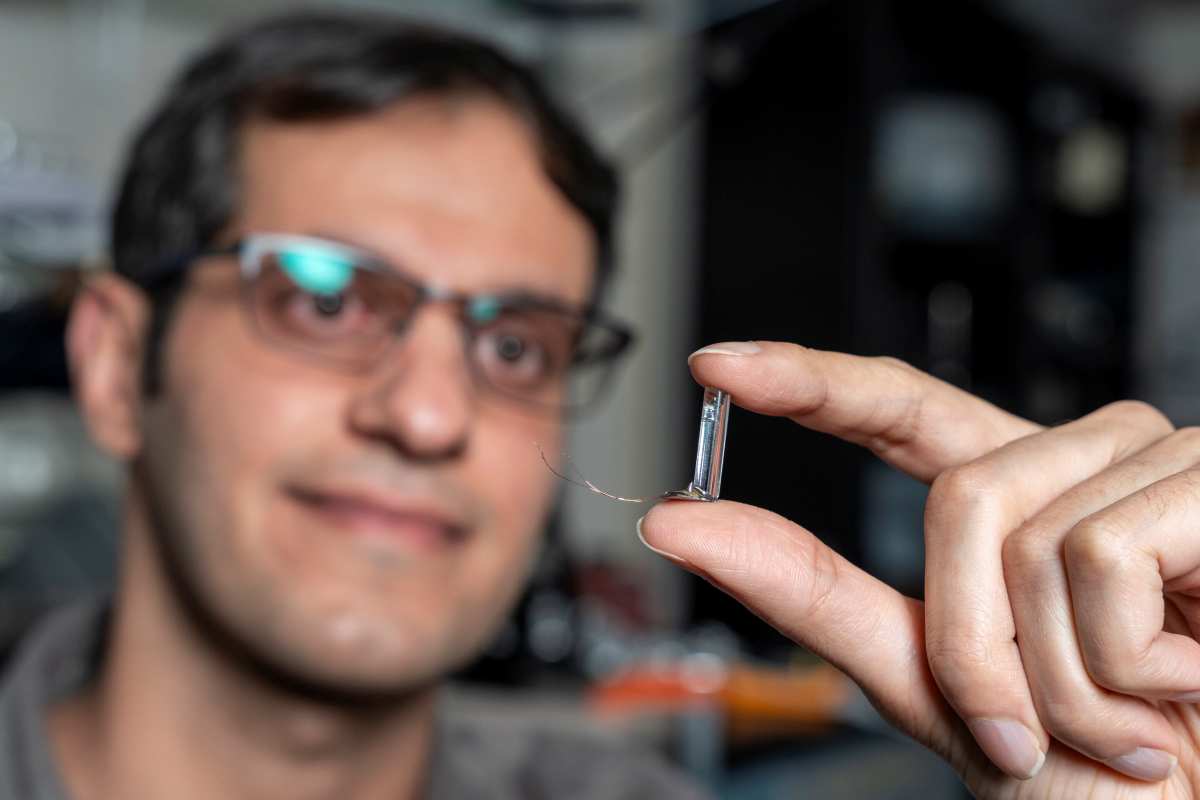

New Technology Developed at the University of Colorado Converts Waste Heat into Electricity, Offering Sustainable and Efficient Solutions for Energy Generation.
Engineers at the University of Colorado have developed a technology that promises to transform the industrial and energy sector. The new thermophotovoltaic (TPV) device can convert waste heat into electricity, overcoming a fundamental physical limit: Planck’s law of thermal radiation.
This advancement could double the power density of traditional TPV systems and provide efficient solutions for highly polluting industrial sectors.
Challenging Planck’s Law
Planck’s law establishes a limit on the amount of thermal energy that can be converted into electricity at a given temperature.
-
Scientists Convert Food Waste into Aviation Fuel, Successfully Test 50% Blend with Conventional Kerosene to Cut Emissions and Promote Sustainable Flights

-
OnePlus N6 Smartphone to Launch in India with 8,000mAh Battery and 45W SuperVOOC Charging, Lasting Up to Three Days
-
Scientists Plan to Release Air Bubbles Underwater to Protect Antarctica’s “Doomsday Glacier” from Melting

-
Chinese R6000 Drone Combines Airplane and Helicopter Features, Carries Up to 12 People for Multiple Missions



It describes how much energy a hot body emits in the form of electromagnetic radiation. Until now, this law was seen as an unavoidable obstacle to the efficiency of TPV devices.
However, the engineering team from the Paul M. Rady Department of Mechanical Engineering, in collaboration with the National Renewable Energy Laboratory (NREL) and the University of Wisconsin-Madison, has managed to overcome this barrier.
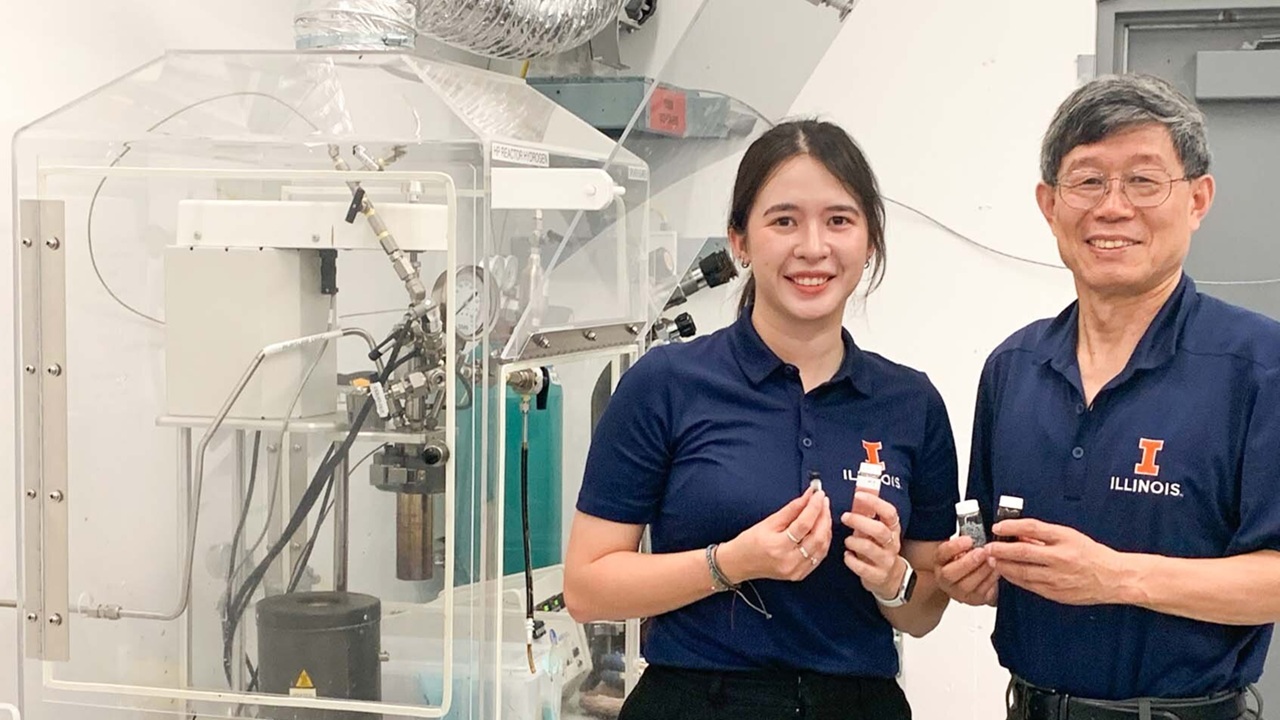
Led by assistant professor Longji Cui of the Cui Research Group, the researchers designed a compact device, the size of a hand, that doubled the power density achieved by conventional TPVs.
The study, published in the journal Energy & Environmental Sciences, highlights how the new technology can generate electricity without relying on extremely high temperatures or costly materials. The solution could have significant implications for clean energy generation and carbon emissions reduction.
Reusing Waste Heat
A large portion of energy used globally—about two-thirds—is wasted as waste heat. This lost energy could be reused to generate clean and sustainable electricity.
The TPV device developed by the University of Colorado has the potential to capture this waste heat and transform it into a renewable energy source.
The technology also has promising applications in geothermal, nuclear, and solar power plants, where waste heat recovery can optimize electricity generation without fossil fuels.
This approach can drive the transition to a more sustainable future, harnessing an energy source that often goes unnoticed.
Innovative Solution
The main differentiator of this TPV device is the use of an insulating glass separator instead of traditional vacuum or gas.
The glass, transparent to infrared and of high index, creates a high power density channel, allowing heat waves to be transferred without energy losses.
This innovative design significantly improves the electrical efficiency of the device, making it more cost-effective and accessible.
Besides being a cheap and commercially available material, glass allows the device to operate at lower temperatures.
While conventional TPV systems require temperatures of up to 1,400 °C, the new device operates efficiently at 1,000 °C, which expands its applications across various industries.
Exploring New Materials to Increase Efficiency
Although the use of glass represents a milestone, researchers believe that efficiency can be further increased. Amorphous silicon and other materials with similar properties could boost power density by up to 20 times, according to theoretical projections.
This possibility paves the way for even more robust applications of TPV technology, enabling it to meet large-scale energy generation demands.
The potential for device improvement is vast, and new research could further enhance its efficiency and commercial viability.
Industry Impact and Emissions Reduction
The industrial implications of this technology are significant. The TPV device can power portable generators and drive high-emission industrial processes, such as glass, steel, and cement production.
Partially or fully replacing fossil sources in these sectors could drastically reduce carbon emissions, contributing to global sustainability goals.
Another relevant factor is the device’s compatibility with existing commercial technologies. This facilitates its scalability and adoption in industrial settings, reducing implementation costs.
The ability to recover waste heat also offers a solution for energy storage more efficiently, making the system even more attractive for commercial applications.
Patent Pending
The new TPV technology developed by the University of Colorado is currently patent pending.
The creators of the device are optimistic about the transformative impact it can have in the field of energy generation and heat recovery.
If implemented on a large scale, the device could accelerate the transition to an energy-sustainable future.
By optimizing the use of renewable sources and reducing the carbon footprint of industries, it represents a fundamental step towards a cleaner and more efficient energy model.
The engineers and researchers involved believe that this innovation could mark a new era in the utilization of thermal energy.
The effective recovery of waste heat could become a common practice in industrial sectors, strengthening the global commitment to emissions reduction and energy sustainability.
With info from ecoinventos.