






 Portuguese
  Spanish




The Latest Round of Tests from Latin NCAP Brought Unpleasant Surprises. The Toyota Corolla, Once a Reference with Five Stars, Now Has Four, While the New Citroën C3 Aircross Caused Outrage by Scoring Zero in Its Safety Evaluation.
The Toyota Corolla saw its score adjusted. Manufactured at a different plant to meet the Mexican market, the model had its assessment reviewed and dropped from five to four stars. Latin NCAP justified the decision based on changes in testing criteria and the model’s origin. Still, the Corolla remains equipped with seven airbags and a partial ADAS package.
However, Toyota has the option to request a new audit to reassess the model. Considering the Corolla’s history of reliability and safety, the Japanese brand may see this review as an opportunity.
Besides the Toyota Corolla, the Drop of the New Citroën C3 Aircross
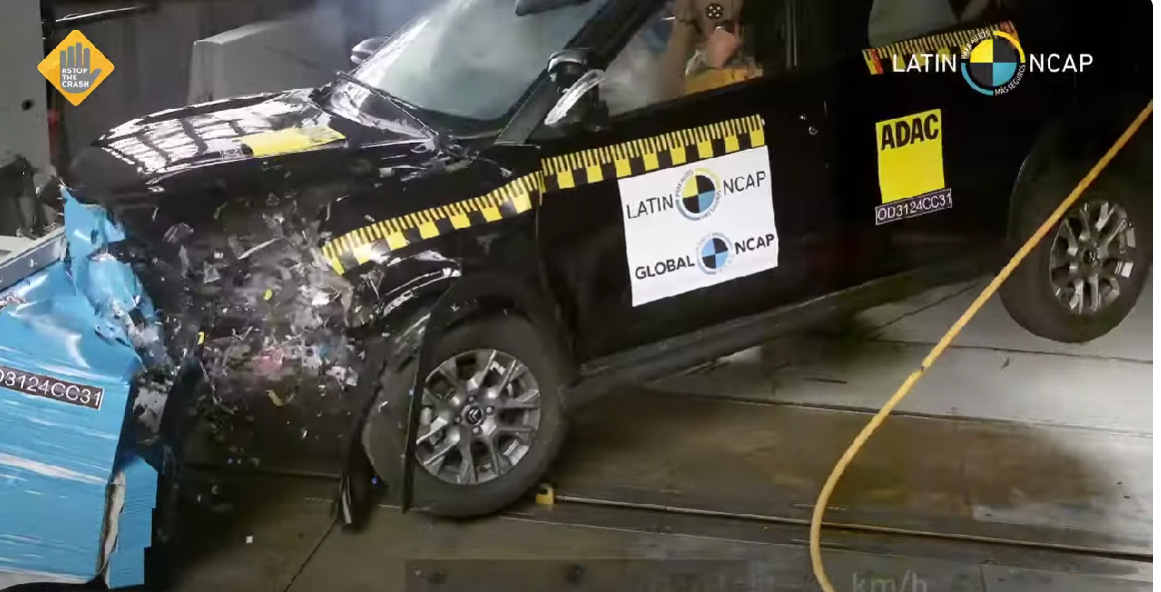
Besides the Toyota, the new Citroën C3 Aircross not only disappointed but also recorded one of the worst performances from Latin NCAP currently. The French brand’s SUV scored zero stars in a test that used a version equipped with only two airbags, the standard offered in the model.
-
2027 Toyota Corolla Cross Unveiled: New Design, Enhanced Fuel Efficiency, Reduced Maintenance Costs, Advanced Technology, Connected Services, and Up to 10-Year Warranty

-
Fiat Cronos Precision 2018: Affordable Sedan with Spacious Trunk and Reliable Maintenance
-
Volkswagen to Cut Production by 1 Million Cars by 2030, Reducing Jobs and Platforms, Focusing on More Profitable Models

-
Toyota Launches First 100% Electric Car in Brazil: bZ4X with 343 HP, All-Wheel Drive, 361 km Range, Priced at $419,990 BRL, Limited to 99 Units



The numbers are discouraging: 33% protection for the driver, 50% for pedestrians, 35% in safety systems, and, most alarmingly, only 11% protection for children. The lack of an ADAS package and the absence of proper signaling for ISOFIX anchorages contributed to this performance. According to Latin NCAP, the frontal impact revealed weak protection for the passenger’s chest, and the side impact exposed severe flaws in the cabin structure.
Furthermore, the whiplash test showed insufficient protection for adult necks, while dynamic protection for children received no points. Other noted issues include the front door windows that protruded outwards upon impact. Result? No stars.
Stellantis’ Position
Stellantis, responsible for the new Citroën C3 Aircross, sent an official statement regarding the test. In the statement, the company emphasized that its models meet current regulations and that safety goes beyond individual protection items:
“The CMP platform variant allows the Aircross to have a robust body with extensive cabin protection.”
Still, the lack of any indication of improvements to the model after its poor performance in Latin NCAP is a concern for consumers.
While the Toyota Corolla strives to maintain its position as a reference in safety, the new Citroën C3 Aircross has become an example of what not to do in an increasingly demanding market. For consumers, the latest results from Latin NCAP serve as a warning about the importance of looking beyond design and price when choosing a car.








