Portuguese
  Spanish


Forgotten Technology May Be the Key to the Next Global Energy Revolution, with Safety and Low Environmental Impact.
Since the 1960s, a promising energy source has been set aside in favor of more well-known and less efficient alternatives. This is Thorium, a chemical element that could rewrite the role of nuclear energy in the world. Despite its evident advantages, it has been sidelined in political and industrial decisions for over half a century.
Now, with advancements in so-called molten salt reactors and the urgent search for clean solutions, Thorium returns to the debate with potential to lead the next global energy revolution. Prototypes are being developed in countries like Denmark, China, and Switzerland, and small companies are starting to move toward a safer, more accessible, and efficient future.
The Forgotten Promise of Thorium
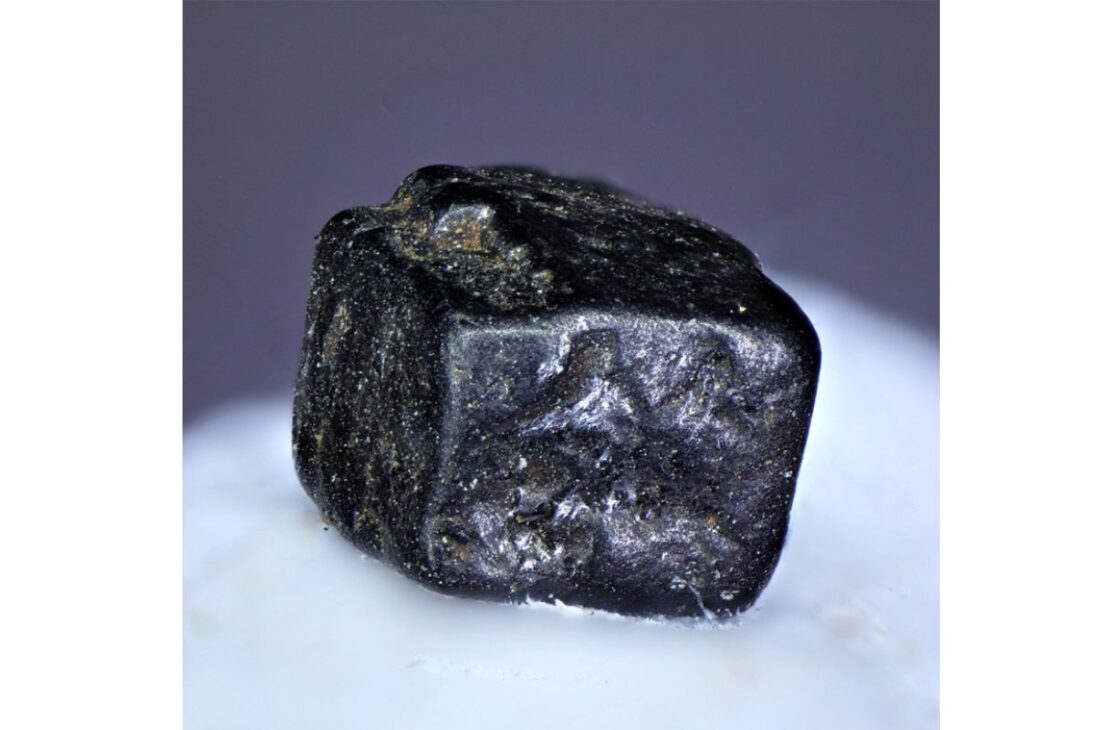
In the 1960s, scientists at the Oak Ridge laboratory in the United States successfully operated an experimental Thorium-powered reactor for over 15,000 hours. The project demonstrated clear advantages: low accident risk, operational safety, and fuel recycling. The reactor used molten salt as a cooling medium, eliminating the risk of overheating explosions.
-
Brazil’s Angra 3 Nuclear Plant Reaches 66% Completion; Government Faces 2026 Deadline to Decide on $24 Billion Project’s Future

-
American company drills a 1,830-meter hole in Kansas using oil well technology, places a nuclear reactor inside, and claims it will generate electricity without any cooling tower.
-
Canada invests more than 2 billion dollars to upgrade an old nuclear laboratory and try to rival the world’s major atomic energy powers.
-
Nuclear company backed by Bill Gates partners with Hyundai for next-generation 345 MW nuclear reactor



Despite the positive results, the project was abandoned. The focus of the nuclear industry shifted to uranium, in part for political and military reasons — uranium was more suitable for producing weapons. Since then, Thorium has been practically forgotten, even though it is more abundant in nature, less radioactive, and has waste that decays more quickly.
A New Chapter with Modular Reactors
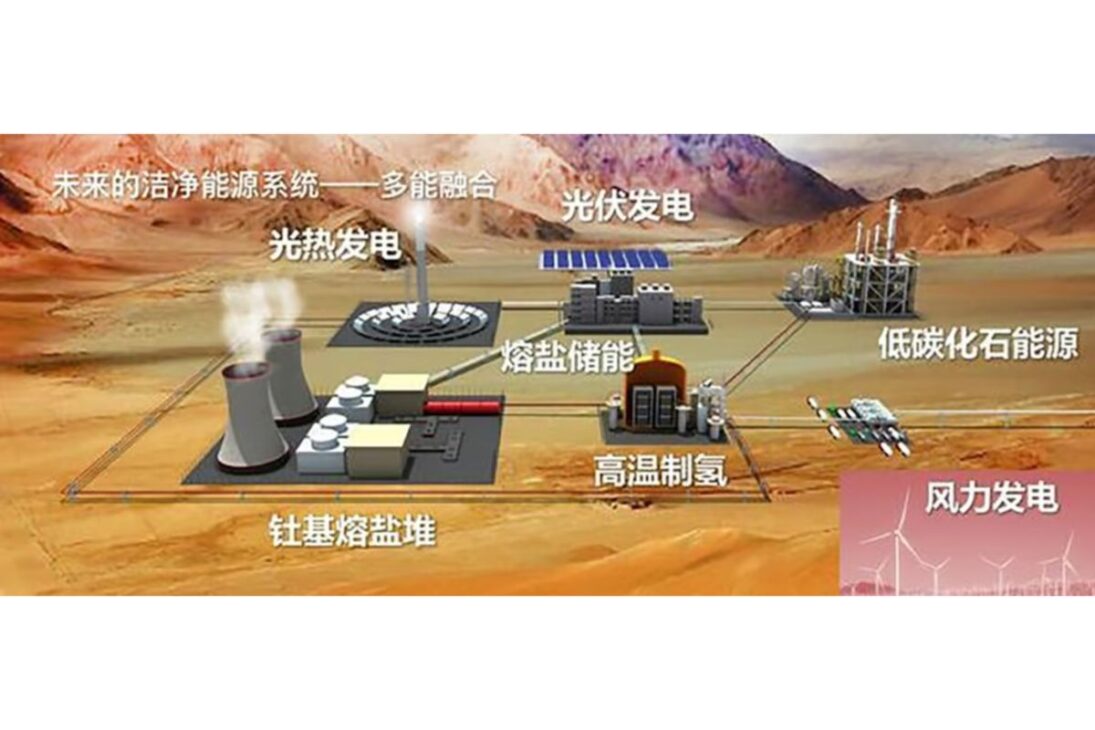
In recent years, startups and research centers have started betting on modular molten salt reactors powered by Thorium. Unlike traditional nuclear plants, these new reactors are compact — the size of a shipping container — and can operate for years with low maintenance and high safety control.
The concept of modularity allows for large-scale manufacturing, reducing costs and accelerating technological development. Furthermore, molten salt improves thermal stability and enables the continuous extraction of radioactive waste during operation. In the event of a failure, the system is designed to shut down automatically, preventing accidents like those at Chernobyl or Fukushima.
The Energy That Multiplies: Thorium Breeder Cycle
One of the most promising features of Thorium lies in its closed and regenerative cycle. When combined with small amounts of uranium or plutonium, Thorium generates uranium-233, which is fissile. With each reaction, more neutrons are released, generating energy and new fuels — a cycle that feeds itself and expands over time.
This type of reactor is known as a “breeder”, because it can produce more fuel than it consumes. The waste generated has a much shorter lifespan than that of conventional uranium, greatly reducing the problem of nuclear waste. It is a solution that combines safety, scalability, and sustainability, something rare in the energy sector.
Why Doesn’t Thorium Dominate the World Yet?
Despite its technical advantages, Thorium still faces complex barriers. The main one is the initial development cost: the materials used in the reactors must withstand corrosion, high temperatures, and intense radiation for years. Additionally, the nuclear licensing process in many countries is slow and bureaucratic.
Another factor is the historical stigma against nuclear energy, fueled by past accidents and misinformation. Even though Thorium reactors have superior safety mechanisms, public fear and government resistance hinder their large-scale adoption. But this reality is beginning to change, as climate pressures and energy costs demand new alternatives.
A Delayed Future — But Not Impossible
The case of Thorium shows how energy decisions do not always follow technical criteria. Public policies, industrial interests, and even military pressures have diverted the world from a cleaner and safer option. However, the current scenario points to a possible renaissance.
With Danish startups developing modular reactors and countries like China and India resuming Thorium projects, the next global energy revolution may come from a forgotten technology. The challenge now is to turn this promise into reality, overcoming regulatory and technical obstacles with investment and transparency.
Do you believe that Thorium can be the future of clean energy, or will it just be another shelved promise? Share your opinion in the comments.