





 Portuguese
  English
  Spanish
 2 min of reading


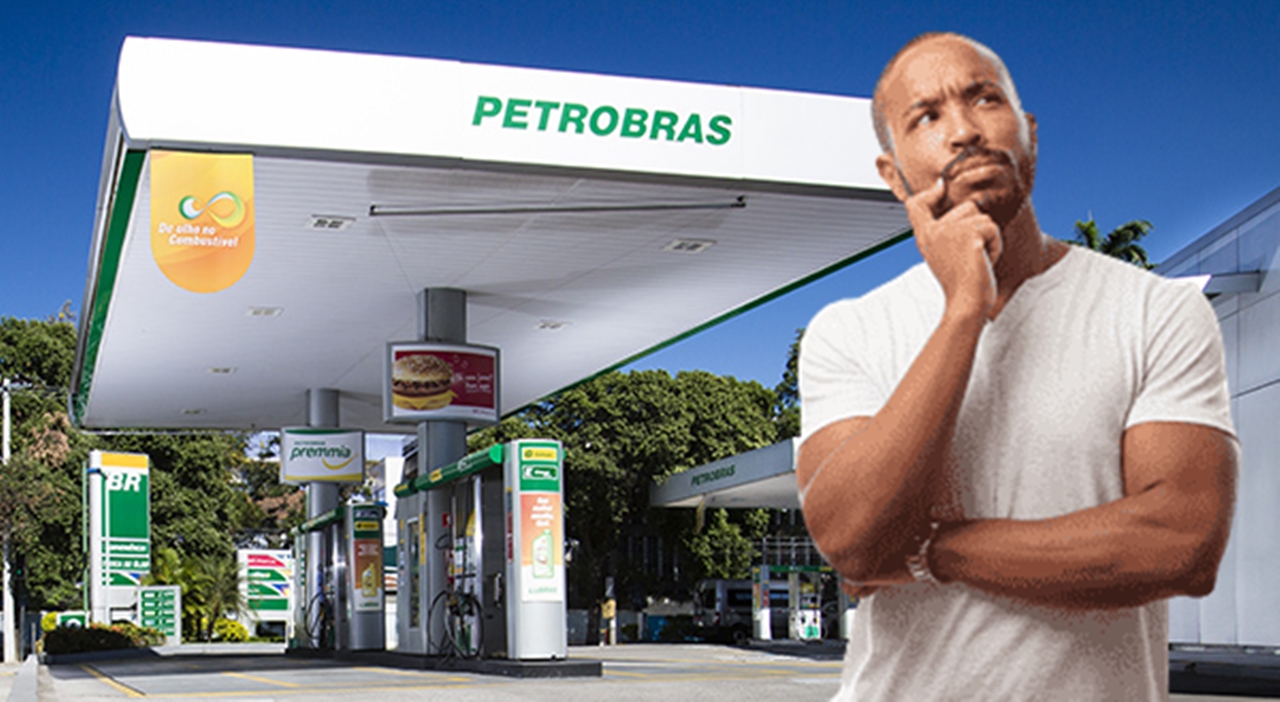
The Intricate Composition of Fuel Prices in Brazil, Petrobras’ Recent Action, and Its Impact on Gas Stations
Recently, it became news the change in Petrobras’ fuel pricing policy, along with a reduction of R$ 0.40 (forty cents) in gasoline and R$ 0.44 (forty-four cents) in diesel. In order to curb abusive price charges, SENACON, the consumer protection agency, and PROCONS have been conducting rigorous inspections. The basic premise is that the price reduction promoted by Petrobras should be fully reflected at all gas stations.
The Complex Composition of Fuel Prices
To understand the scenario, it is crucial to clarify that the composition of fuel prices in Brazil goes beyond the price defined by Petrobras at the refinery’s exit. Petrobras is responsible for approximately 60% of the fuel supply at gas stations, while the remaining 40% is provided by other producers, importers, and biofuel suppliers, which account for 28% of the consumed volume. These agents, who complement the supply of derivatives in the country, follow their own pricing dynamics, without the need to adhere to Petrobras’ pricing policy.
The Free Market and the Incidence of Taxes
In our country, it is important to note that the price of fuels is freely determined by each market agent, based on their cost structures, commercial ambitions, and supply and demand dynamics. Furthermore, prices are not subject to price regulation.
-
SpaceX sets share price at $135 and targets a historic $75 billion IPO to debut on Nasdaq with a trillion-dollar market value

-
While the world rushes to mine lithium from Congo and Chile, Brazil sits on one of the largest reserves and has barely begun to explore.

-
Heir worked at thirteen in an ice cream factory without revealing he was the owner’s son; today, at twenty-five, he leads the best-selling ice cream brand for home consumption in the Northeast, grosses almost R$ 300 million, has 145 stores, and competes with multinationals with regional flavors.
-
Lock manufacturer from Rio Grande do Sul invests R$ 150 million to surpass R$ 1 billion in revenue, create 200 jobs, and double storage capacity, while choosing Santa Catarina to set up a new logistics center and speed up deliveries in Southern Brazil.


The Logistics Chain and the Weight of Taxes in the Final Price
Before reaching the 42,000 gas stations spread across the country, the product goes through a long logistics chain, a significant element in price formation. Fuel distributors invest in storage infrastructure to optimize costs; however, deficiencies in the road network and the lack of efficient high-volume transportation modes, like railways, increase the final product’s cost.
In the final price to consumers, federal and state tax costs are also included, often charged retroactively, which makes it difficult to understand prices. However, the implementation of a single ICMS tax phase, with uniform rates per liter across the country, will bring more transparency regarding the weight of taxes in the price composition.
The Role of Oversight and the Principle of Free Market
Requiring that Petrobras’ price reduction be fully passed on to the consumer ignores the cost components and the participation of private and public agents in the price, in addition to contradicting the principle of a free market. It is essential to emphasize that oversight by consumer protection agencies is crucial for the market, given the high rates of non-compliance that can affect consumers, and this oversight must be guided by technical criteria.
Source: IBP Positioning





Be the first to react!