






 Portuguese
  Spanish
  3 min of reading
  0 comments


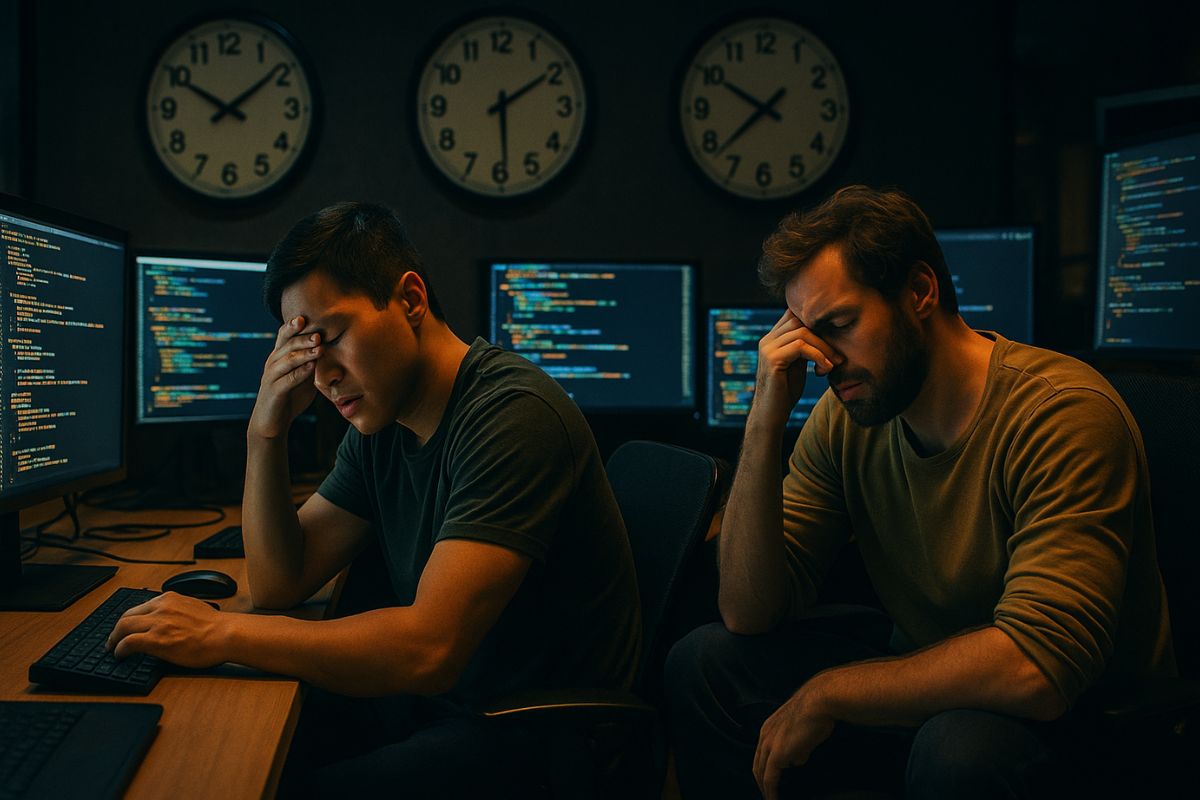
996 Schedule: What It Is and Why It Is Being Adopted in the USA. Chinese Work Model That Foresees 72 Hours a Week Is Seen by Critics as a Risk to Health and Labor Rights.
The 996 schedule, which means working from 9 AM to 9 PM, six days a week, is gaining traction in some startups in the United States, especially in the technology sector. The model, originating from China, totals 72 hours a week and was banned in the Asian country after pressure from workers and authorities, but it is beginning to be tested on American soil.
Supporters argue that the intense work schedule accelerates results and can be compensated by benefits like on-site meals. Critics warn that the practice ignores centuries of labor advancements and may have serious health impacts, with documented cases of deaths from exhaustion and increased suicides in countries where the model has been widely implemented.
Origin and Controversy in China
The 996 schedule became popular in large technology companies in China in the 2010s when the sector was experiencing a boom in innovation. In practice, it meant working 12 hours a day, six days a week, often without overtime pay.
-
FIRJAN’s mega plan of R$ 526.3 billion for Rio de Janeiro aims to revive Brazil’s largest industry, with two-thirds of the investments going to oil and gas.

-
China signals an increase in beef imports, Brazil has already consumed 70% of the 1.106 million ton quota and seeks to renegotiate the tariff that jumps from 12% to 55%, while demand from the US also skyrockets.
-
Food inflation rose 302% in 20 years in Brazil, but the supermarket changed: purchasing power yielded 87% more mortadella and 31% less fruit, and ultra-processed foods took over the cart.
-
Petrobras sells the first batch of 3,800 m³ of aviation fuel made with certified soy, capable of reducing emissions by up to 70%, in an unprecedented project that anticipates the aviation sector’s requirements expected for 2027.



The model faced protests from employees, government investigations, and criticism from human rights organizations. Among the most emblematic cases is that of a 25-year-old programmer who died after a brain hemorrhage, raising the debate about the direct link between excessive working hours and the worsening of health problems.
Why the USA Is Adopting the 996 Schedule
In the United States, the 996 schedule is mainly appearing in fast-growing startups, where the pressure for results and a culture of “extreme meritocracy” encourage prolonged hours. As there are no clear federal limits on working hours in certain contracts, companies exploit legal loopholes to implement more aggressive models.
Experts say that in addition to bringing jobs from China, part of the American tech sector is also importing old forms of labor exploitation that have already been abandoned in the Asian country.
The justification used by business owners is the “freedom of choice” of employees, but critics point out that, in competitive environments, this choice is often not real.
Health Risks and the Concept of “Death from Overwork”
Japan coined the term karoshi, which means “death from overwork.” China has also recorded similar cases during the peak of the 996 schedule, including high rates of suicides linked to exhausting hours.
Doctors warn that routines exceeding 60 hours a week increase the risk of heart problems, strokes, and psychological disorders. The International Labour Organization (ILO) considers excessive working hours one of the elements that can characterize slavery-like work in the modern context.
Labor Impacts and Comparison with Other Models
Historically, the labor movement has advocated the “8-8-8” rule: eight hours for work, eight for rest, and eight for leisure. This division was achieved after decades of struggle, but today, in some sectors, there is talk of shorter work weeks, like four days of work.
In Brazil, legislation limits the workweek to 44 hours, and any significant extension would require changes to the CLT. Still, freelancers and gig workers already face routines similar to 996, often without social protection.
What to Expect Going Forward
Experts predict that the debate over the 996 schedule in the USA will have international repercussions. With the globalization of working relationships and the rise of remote work, models adopted by American companies are likely to spread to other countries.
Analysts warn that the normalization of extreme hours could end up eroding basic rights gained over the last century, especially in sectors with high competition for jobs.
Do you think the 996 schedule is a step to increase productivity or a dangerous setback in labor rights? How would this workload affect your life? Leave your opinion in the comments.





Be the first to react!