Portuguese
  Spanish


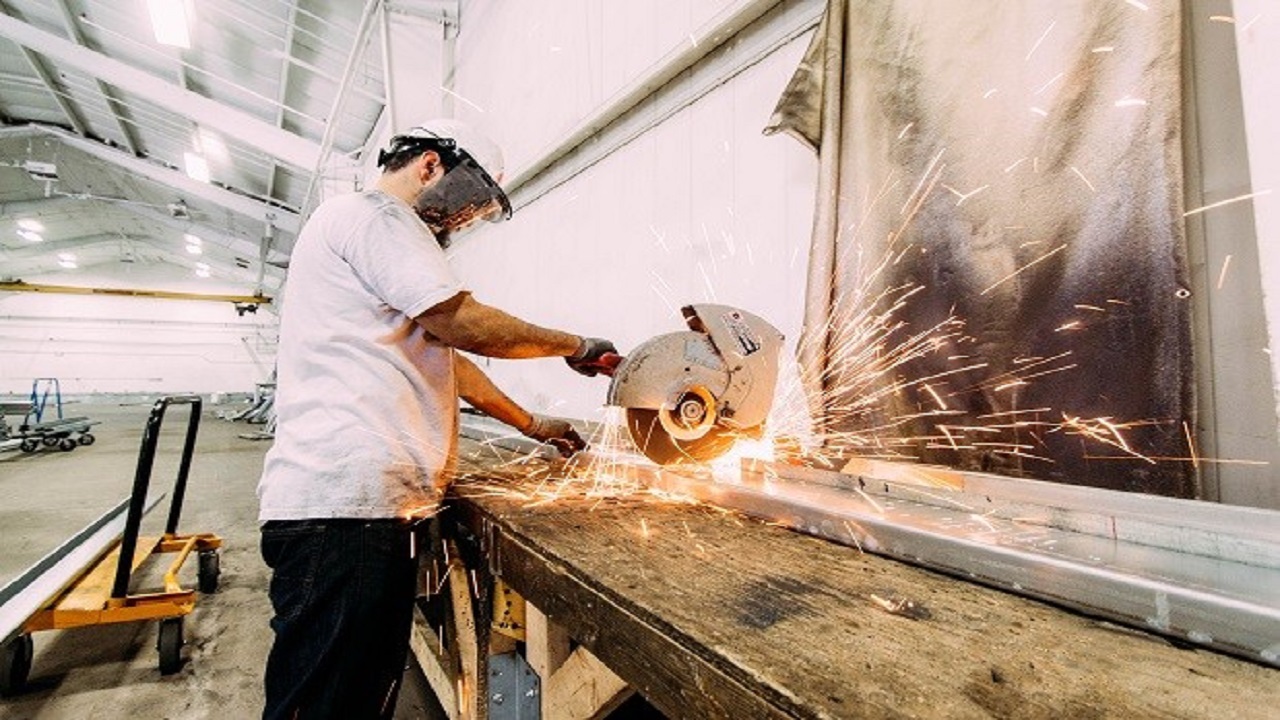

The Absence Of Imported Products Is Getting Worse And Worse, With More Expensive And Delayed Freights. These Consequences Are Forcing The Brazilian Industry To Produce Its Own Products Having To Face Several Difficulties, Including The Brazil Cost
The lack of various imported products, mainly from Asia, has led the Brazilian industry to nationalize a large part of the imports that come from abroad. However, this action, which would result in the creation of new jobs and the development of local technologies, faces hurdles to become real due to the scenario of economic and political uncertainties and also because manufacturing in the country is more expensive than in other countries.
Also Read
Automotive And Health Industries Suffer From The Absence And Increase Of Imports
The lack of imported products like masks and ventilators, which marked the beginning of the pandemic, soon extended to the crisis of semiconductors, auto parts, and inputs, and worsened with the price increase of these imported products and freight.
In addition, there was also a shortage of containers and ships to make the deliveries. Since last year, several industry associations have developed groups involving production chains and the government to create a new policy for the nationalization of essential products for Brazil.
-
The man who started in construction with his own house founded a company in 1957, went through a banking crisis in 1987, and ended up connected to 16,500 houses in Houston.

-
Builders challenged experts, erected a 16-story building using only reinforced concrete when the known limit was six floors, and proved that skyscrapers would never be the same again.
-
Up to 60 concrete mixer trucks pour 380 m³ of concrete onto the “big slab” of Niemeyer’s first work in Amazonas, in a decisive stage of the construction of the monumental oca that will mark the Parque Encontro das Águas in Manaus.

-
Alert in Santa Catarina: the Anita Garibaldi Bridge on BR-101 is completely closed in both directions due to “structural risk,” and drivers are diverted to a 20 km/h detour that promises kilometer-long queues until July 20.


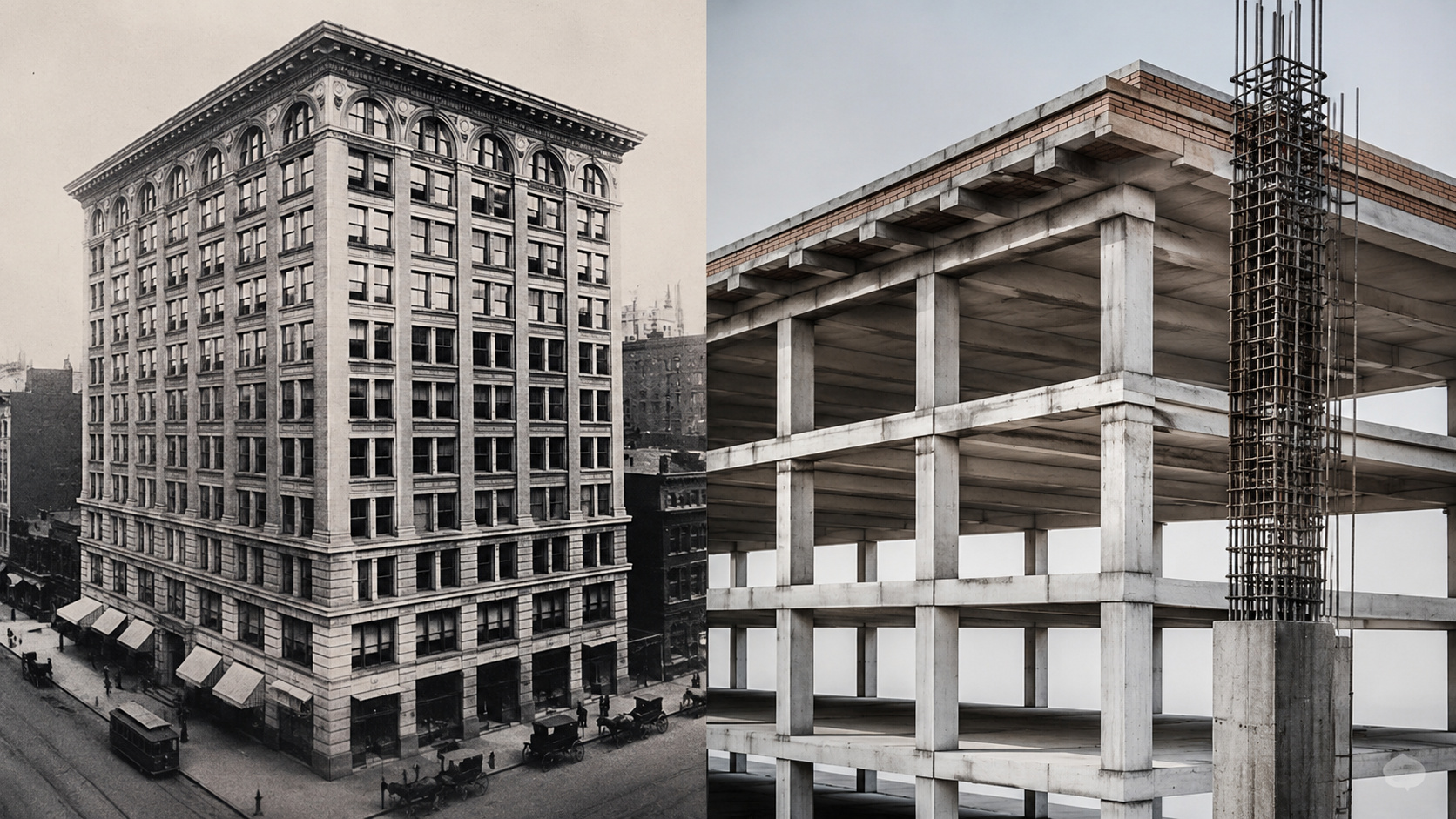


Among them are products for the automotive, footwear, chemical, and construction industries. For now, there are still no concrete actions, but some individual efforts to escape dependence on imported products.
Thermoval Escapes From Imported Products
Among the companies escaping the need for imports for the Brazilian industry is Thermoval, a manufacturer of valves for the agricultural, electrical, sanitation, automotive, mining, food, and beverage sectors.
Rodolfo Garcia, the company’s CEO, states that the increase in freight costs and delivery times has led the group to abandon imported products from the Chinese industry. According to Garcia, previously the maximum delivery time did not exceed 3 months, and now it reaches 9 months for some products.
Thermoval has also partnered with another Brazilian company to manufacture about 20% of the forged items and import the rest. Next year, the company will have its own line for the process and will produce 100% of the products in Cravinhos (SP), where it is headquartered.
FGV/Ibre States That Brazil Has Low Competitiveness In Manufacturing Items
The associated researcher at FGV/Ibre, Livio Ribeiro, asserts that there was a resurgence of the substitution of imports at the end of last year and the beginning of this year, but it did not have a long life.
According to Ribeiro, Brazil is not very competitive in producing anything, and it is unlikely that with the risk structure the country is in, a sustained process of nationalization will resume. Ribeiro highlights that the industry has been in a process of reduction for a long time because productivity is low in the country. In addition, accessory costs are high, the tax system is complicated, taxes are high, and now the country is facing a water crisis.
The economist from the National Confederation of Industry (CNI), Marcelo Azevedo, evaluates that, although there is a reversal of growth expectations for the economy, the intention to invest by the industry has been high since the beginning of the pandemic. However, there are many things hindering this intention, mainly uncertainties about making investments due to the current scenario or currency fluctuations.