






 Portuguese
  Spanish
  3 min of reading


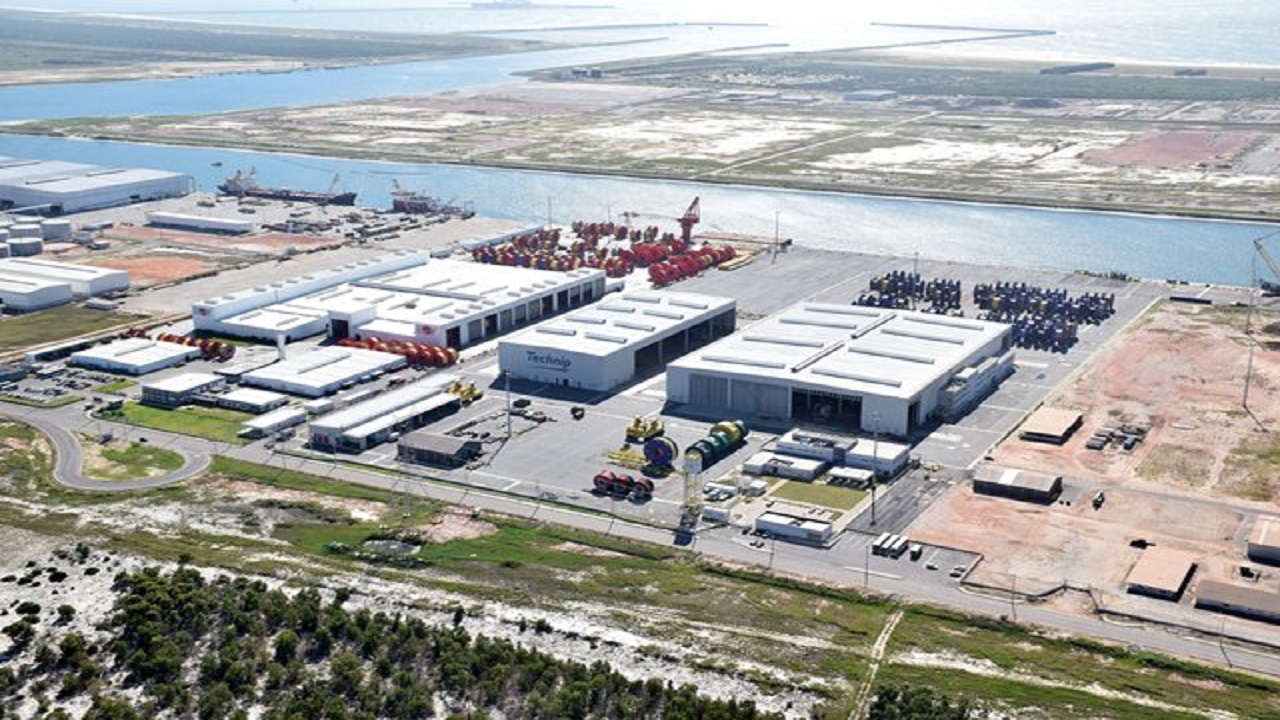
Espírito Santo Loses Itaipava Offshore Port Due to Delay in Start of Works on the Itaipava Road Bypass. Now the Installation Will Be Transferred to the Port of Açu
After the suspension of its operations and the withdrawal of the previous responsible company, the Itaipava offshore port, located in Espírito Santo, will now be transferred to the Port of Açu. The port project aimed at serving the oil and gas production and exploration industry would be carried out by the company Edison Chouest Offshore and was initially expected to generate around 1,500 job vacancies.
Read Also
The company decided to transfer the investment to Port Açu. According to Theodorico Ferraço, state deputy from Espírito Santo, Edison Chouest Offshore signed a contract with the northern Fluminense port to create an offshore support base, investing R$950 million.
According to him, the loss is justified by the delay in initiating the works for the Itaipava Road Bypass and the water supply system in Espírito Santo.
-
Long before sustainable construction became a trend, China built earthen fortresses with multiple floors, a central courtyard, and the capacity to house up to 800 people living in a community.

-
He got tired of renting, bought an old school bus, removed the seats, modified the roof, reinforced everything with steel, and created a two-story mobile home that looks small on the outside but houses two bedrooms inside.
-
A mother of four sought a safer family environment, watched tutorials on the internet, built a 325 m² house with her family, and learned foundation, walls, plumbing, and electrical work without any professional experience.
-
Iron ore falls to 762 yuan in China as real estate sales decline and steel production hits lowest level since 2018



Words from the State Deputy of Espírito Santo
According to the deputy, for years and months, the competent authorities discussed the possible chance of the state losing the very important infrastructure implementation of the ports for Espírito Santo, due to the delay in starting the construction of the Itaipava Road Bypass, the lack of necessary environmental authorizations, and the creation of the water supply system. Unfortunately, nothing happened, and the qualified professionals to take the necessary measures did not take it seriously.
Port of Açu
The Port of Açu has about 90 kilometers in length and is the result of an investment of 13 billion reais; the port has already attracted the attention of global giants such as bp, Shell, and Equinor.
Currently, the Port of Açu represents and is one of the main contributors to one-third of Brazilian exports in the oil and gas market, as it is responsible for 25% of Brazilian oil exports, hosting the largest offshore support base in the world, and is already the third-largest national port in cargo handling.
Itaoca Offshore
Budgeted at R$450 million, the Itaoca Offshore port terminal is also located in the municipality of Itaperim, Espírito Santo.
The groups BH Value Negócios, Mauer Engenharia, and Catalina Participações are the main controllers of the Port of Açu. It has about 600,000 square meters of back area, 11 berths, 40,000 square meters of offshore area, and a services dock 230 meters long.
Brazil Reduces Bureaucracy for Port Bidding
Currently, Brazilian ports handle about 90% of the Brazilian trade coming from abroad, as the culture of buying through virtual stores and dropshipping has been increasing in recent years. Brazilian ports account for 14.2% of the Brazilian GDP.
Brazil has simplified its investment rules for port terminals, reducing bureaucracy, with the goal of attracting more investments along its coastline.
A decree signed by President Jair Bolsonaro defines rules to expedite port area lease contracts, waiving the need for public calls, allowing easier access to public areas for temporary economic use. In addition, it guarantees minimum contract durations for terminal leases.
“This is another step in the deregulation of infrastructure investments in Brazil and will facilitate investments in port terminals, allowing greater efficiency and dynamization of the sector,” said the Minister of Infrastructure, Tarcísio Gomes de Freitas, at the signing ceremony of the decree.
Last week, Brazil auctioned concessions for five terminals, four in Itaqui and one in Pelotas.
NOTE: The article was published in the media in 2014; however, recently, the portal campo24horas addressed the issue along with new acquisitions of Brazilian ports.


Be the first to react!