Portuguese
  Spanish


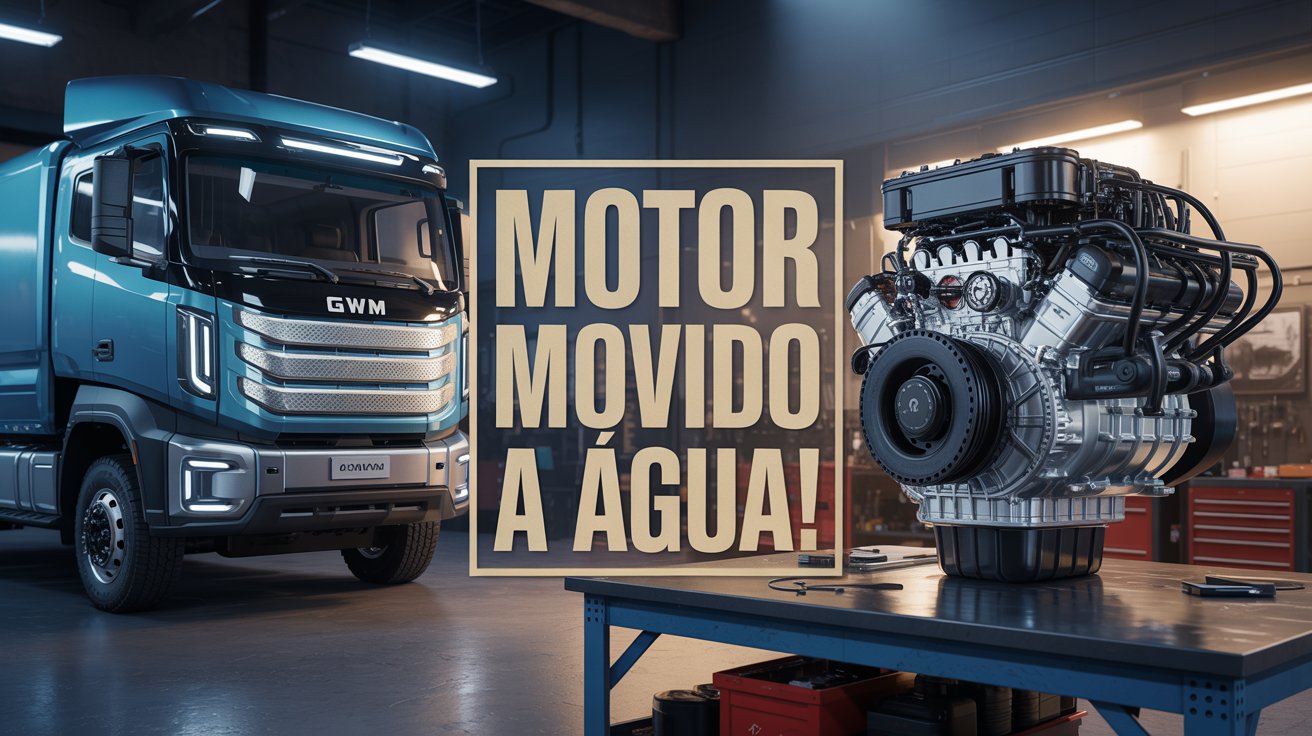


First Hydrogen-Powered Heavy Truck from FTXT Arrives in Brazil for Testing and Research. Vehicle Combines Electric Battery, Fuel Cell, and Regeneration System, Focusing on Cargo Transport and Emission Reduction in the Sector.
The first hydrogen-powered heavy truck from FTXT, a subsidiary of GWM focused on fuel cell technologies, is already on Brazilian soil for a cycle of inspections and tests.
The proposal is to evaluate, under real usage conditions, the viability of this energy alternative in long-distance cargo transport, a sector where total electrification still faces limitations.
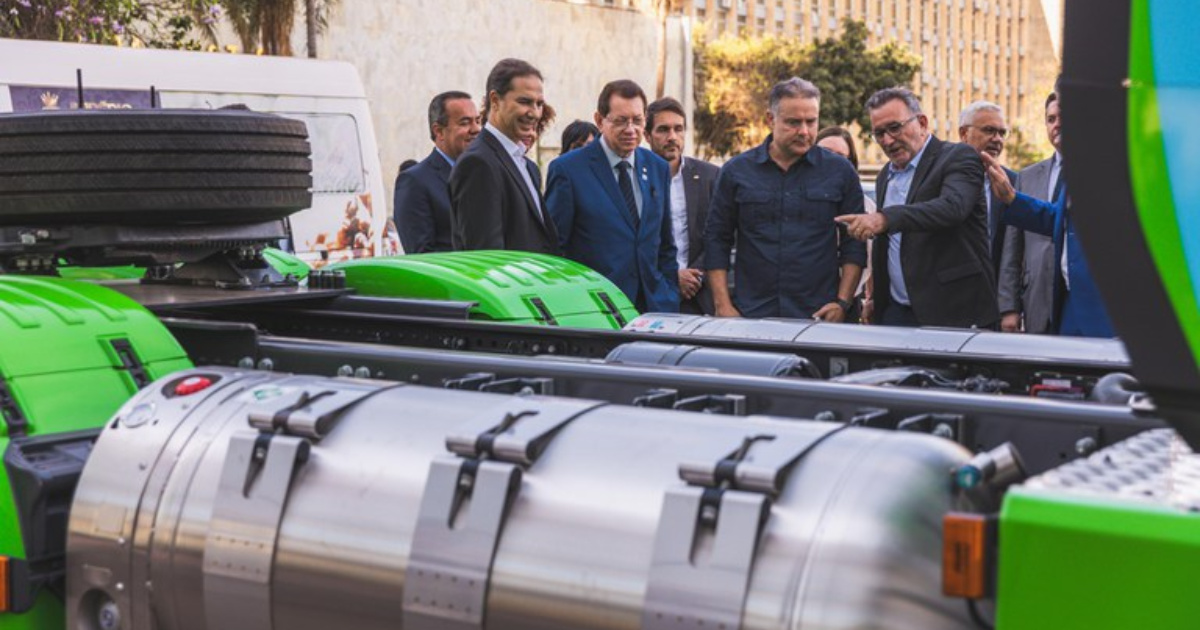
The model combines a 105 kWh electric battery, cylinders with a capacity for 40 kg of hydrogen, and a fuel cell that generates electricity for the motors.
-
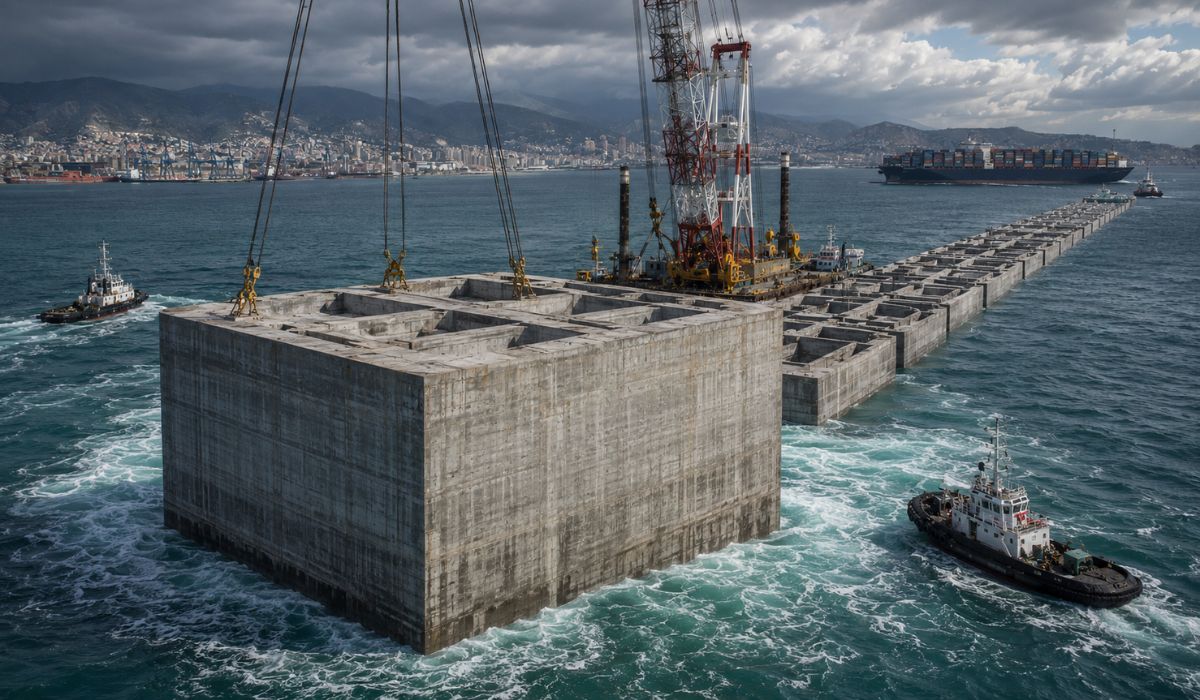
Italy Sinks Massive 11-Story Concrete Structures in the Ligurian Sea to Create a 6.2 km Barrier, Clearing the Way for 400-Meter Ships in Genoa

-
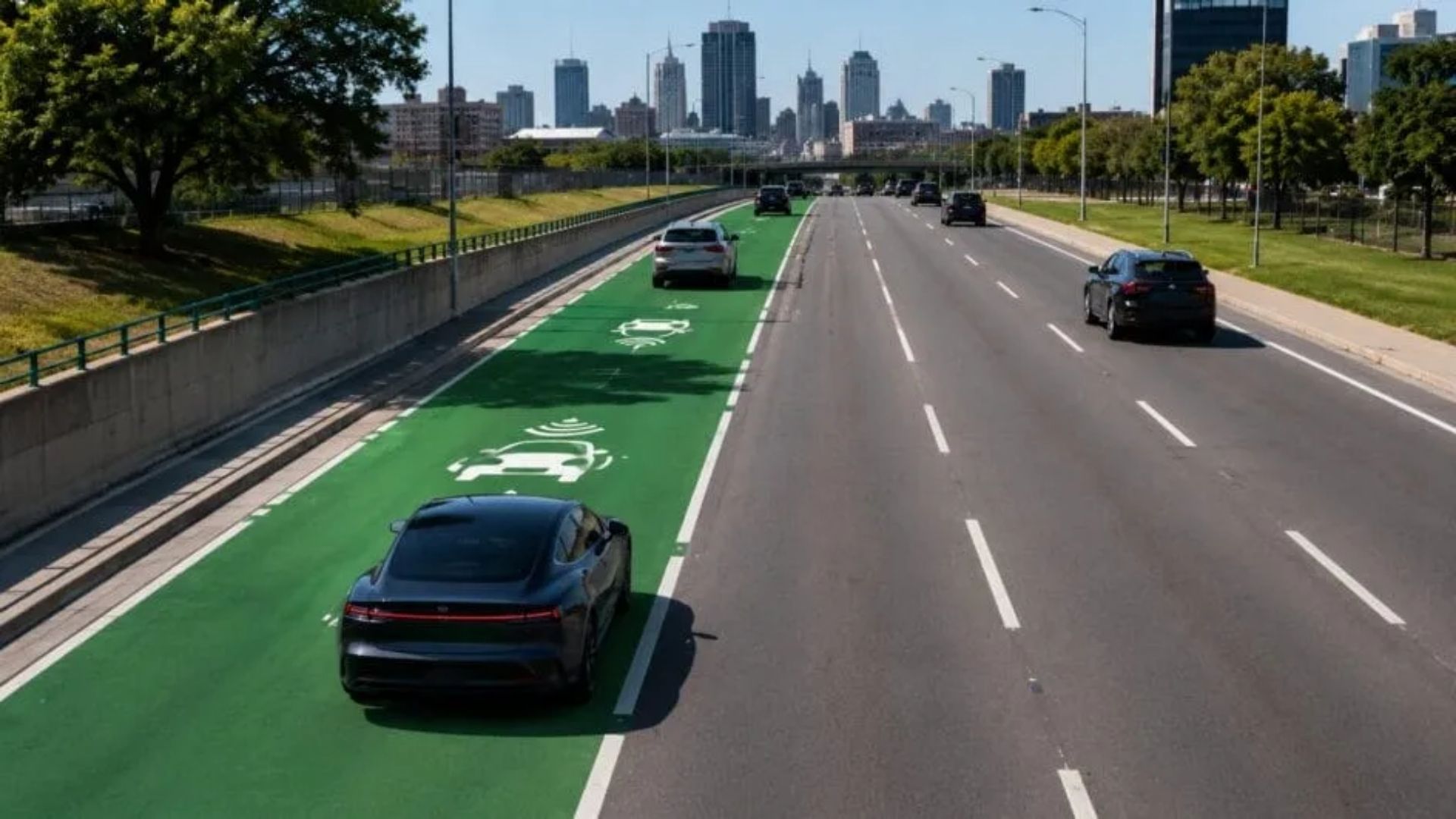
Wireless Charging Roads for Electric Vehicles: Detroit Implements Coil Technology, France Successfully Tests 300 kW Transfer Near Paris

-
Scientists Create Lab-Made Cell with Only 36 Genes That Eats, Grows, Copies DNA, and Divides, Raising the Question: Is This Life?

-
World’s Largest Camera, with 3,200 Megapixels, Begins Operation, Capturing Sky Images Every 30 Seconds for the Next Decade



The set also incorporates a energy regeneration system that recovers part of the kinetic energy during braking and downhill driving.
Why “Powered by Water”
Although the expression is commonly used, the truck does not directly use water as fuel.
The association comes from the fact that, in some production routes, hydrogen can be extracted from water through electrolysis — a process that separates hydrogen and oxygen using electricity.
In Brazil’s case, the ethanol route also plays a strategic role, offering a low-carbon option with existing infrastructure.
Arrival and First Phase of Evaluations
The vehicle arrived at the Port of Santos (SP) and was sent to GWM’s factory in Iracemápolis, in the interior of São Paulo.
During the month of August, it will undergo inspections conducted by Brazilian engineers from FTXT, with support from specialists coming from China.
The initial focus will be on the integrity and performance of the battery, a crucial element for the functioning and durability of the system.
This stage is essential to verify if the integration between the battery and the fuel cell meets the usage requirements in Brazil, where temperature, terrain, and pavement conditions vary significantly.
Structure and Operation of the Hydrogen System
Hydrogen is stored in high-pressure cylinders and, when directed to the fuel cell, reacts with the oxygen in the air, producing electricity and releasing only water vapor as a byproduct.
The battery acts as support for peak demands, such as overtaking and steep climbs.
The regeneration process converts energy from braking and deceleration into electric charge, increasing efficiency and potentially extending the lifespan of the system.
Collaboration with Universities and the Ethanol Route
The first dynamic tests of the truck are scheduled for September, with participation from Brazilian universities, including University of São Paulo (USP).
The institution has infrastructure capable of generating hydrogen from ethanol, a technology developed in the country to reduce carbon emissions and leverage the already established sugar-alcohol chain.
In addition to the ethanol route, green hydrogen, obtained through water electrolysis with renewable energy, will also be evaluated.
Each method will be compared in terms of cost, autonomy, and efficiency.
Testing on Tracks and Gradual Operation
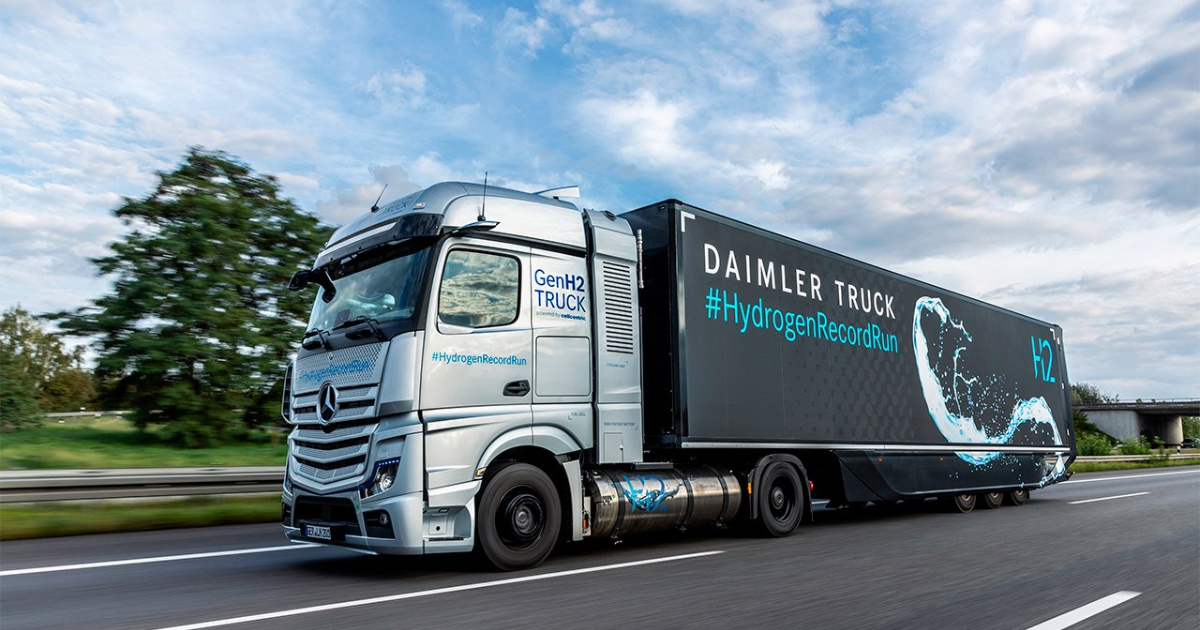
Before circulating on highways, the truck will undergo evaluations of safety, suspension, and performance on test tracks in the interior of São Paulo.
Initially, it will operate without load, gradually transitioning to simulations of real transport with different types of cargo and terrain.
These tests will allow the analysis of how variables such as temperature, altitude, and pavement type affect hydrogen consumption and the system’s efficiency.

Global Scenario and Perspectives
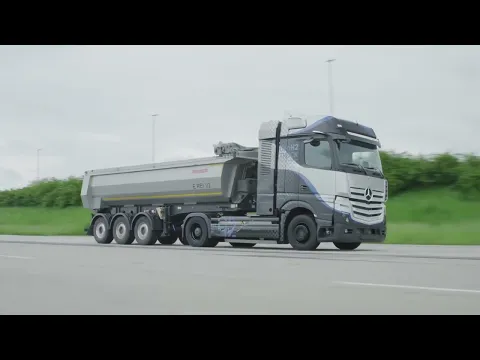
The use of hydrogen in heavy vehicles is gaining traction in countries like Japan, Germany, and South Korea, driven by public policies and subsidies for long-distance transportation.
In these markets, the technology is seen as an alternative to reduce dependence on diesel and decrease greenhouse gas emissions.
In Brazil, adoption is still in the experimental phase, limited by the nascent infrastructure and the high cost of hydrogen, which varies according to the production route.
However, the abundance of renewable sources and the experience with biofuels could favor a faster advancement if there is coordinated investment.
Next Steps and Feasibility Study
After the initial phase, the truck will be fueled with different types of hydrogen to measure the economic and operational impact.
The collected data will feed into a commercial viability study, taking into account input costs, maintenance, and system durability.
The public debut in Brazil is scheduled for August 15, during the inauguration of GWM’s factory in Iracemápolis.
From then on, the project will continue in collaboration with research centers, universities, and partner companies.
With the arrival of this technology, the question arises: Is Brazil prepared to make hydrogen the protagonist of heavy transport in competition with diesel?