Portuguese
  Spanish


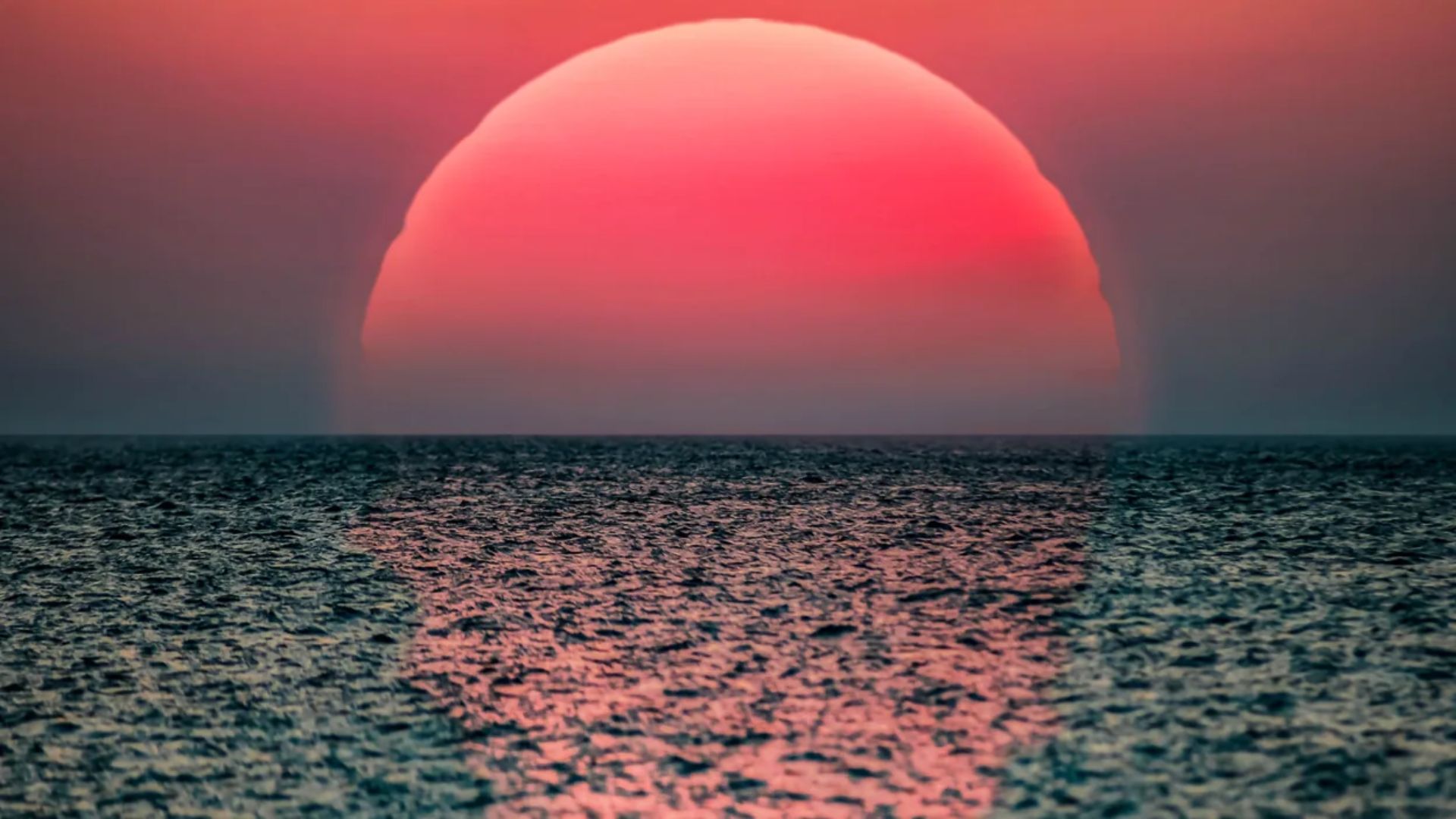

The heat trapped on Earth is increasing faster than many people imagine, and the sea has been the silent buffer of this account. The problem is that this thermal cushion does not work for free nor forever, and the signs that it has started to fail already appear on the coast.
Those who look at the weather forecast and find the heat out of season strange are, unknowingly, facing the effect of a number that scientists follow with apprehension. The heat trapped on Earth has nearly doubled in a few decades, according to a survey published by Revista Oeste on Friday, June 13, 2026. The planet has begun to retain more solar energy than it returns to space, and this imbalance has been fueling stronger heat waves, extreme rains, and visible transformations in ecosystems.
The short explanation is direct. The burning of fossil fuels has filled the atmosphere with gases that trap heat and broke a balance that lasted millennia. Under natural conditions, the amount of energy entering the Earth’s system is close to the amount leaving. With the increase in emissions, this balance tilted towards retention, and the result is a heat accumulation that is already breaking records and whose effects spread across oceans, glaciers, coastal areas, and entire populations.
What this energy imbalance means in practice
Think of the planet as a house with the heating on and windows that no longer fully open.
-
Scientists Develop Needle-Free Insulin That Penetrates Skin, Reduces Glucose in Animals Within an Hour, Paving the Way for Diabetes Patches and Creams for Humans

-
After 40 Years of Research, Powdered Coconut Water to Be Produced in Brazilian Biorefinery, Aiming to Revolutionize Health for Children, Elderly, and Hospital Patients
-
Queen Guitarist Brian May Collaborates with ESA Scientists to Study Asteroids Bennu and Ryugu Using 3D Simulations
-
Largest Known Single-Piece Meteorite, Weighing 60 Tons, Puzzles Scientists with Its Intact Fall and Lack of Visible Crater


The Sun’s energy enters, but a part that should escape is trapped by the layer of greenhouse gases.
This difference between what enters and what can exit defines Earth’s energy imbalance.
As long as the balance is positive, the system continues to warm, even if the air temperature seems to fluctuate up and down.
The detail that most bothers researchers is the speed.
According to Revista Oeste, this accumulation has intensified in recent decades and reached levels never recorded before.
This is not a distant projection nor a hypothetical scenario for the end of the century.
The heat is already in the system now, redistributed among air, water, and ice, and the largest share of this energy has ended up where almost no one looks on a daily basis.
Where does the heat we don’t feel on our skin go
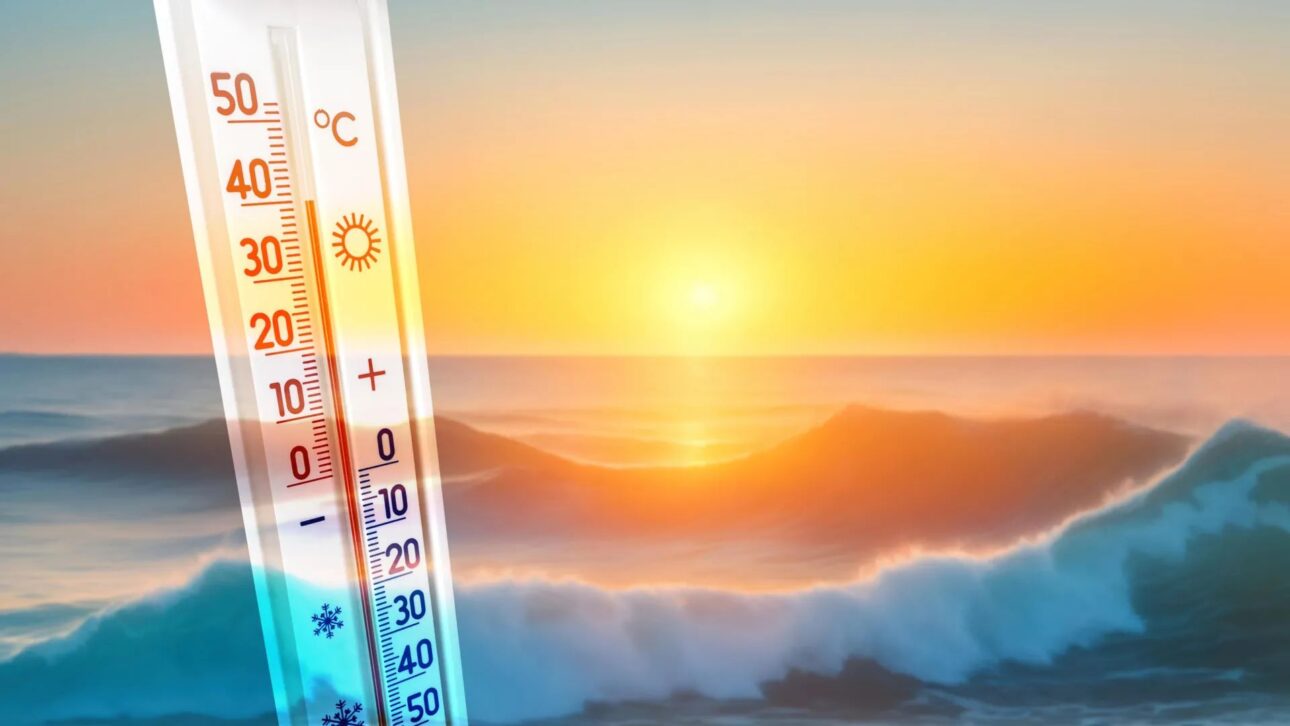
The oceans absorb about 90% of the additional heat, functioning as a gigantic thermal reservoir that keeps much of the impact away from the surface.
That’s why the air thermometer doesn’t tell the whole story.
The sea has been the buffer that delays the worst, and it does so so discreetly that the effort goes unnoticed.
This stored heat doesn’t stay still. It progressively warms the water, melts glaciers and ice sheets, thaws permafrost regions, disrupts natural temperature cycles, and causes the thermal expansion of seawater.
Each of these destinations feeds a chain of consequences.
Warmer water alters ocean currents, affects marine ecosystems, and influences climate patterns on a global scale, as pointed out by Revista Oeste’s material.
When the sea level rises, the coast pays the price
Ocean warming and continental ice melt push sea levels up through two combined paths.
Water that heats up expands and takes up more space, while melting ice from the continents adds extra volume to the seas.
Even increases that seem modest on paper translate into concrete damage when a storm surge hits an unprepared coastal city.
Urban infrastructure, mangroves, beaches, and coastal habitats become more exposed to flooding and erosion during extreme weather events.
Those who live near the water feel it first.
Areas that once served as natural barriers against storms lose this function, and entire communities start to live with risks that demand responses in construction, retreats, and adaptation.
Heatwaves at the bottom of the sea and the life that disappears
There is a lesser-known phenomenon that has gained strength with so much energy stored in the seas.
Marine heatwaves are prolonged periods of abnormally high ocean temperatures, and they have started to occur more frequently and intensely in different regions.
The excess heat in the ocean is not just a thermometer issue, it dismantles the web of life that sustains fishing and the food supply for millions.
The observed effects are harsh. Coral reefs bleach, marine biodiversity retreats, oceanic food chains become unbalanced, fishing suffers, and coastal areas lose natural protection.
Those who depend on the sea for food, income, and protection from severe events are on the front line of this process, according to the survey by Revista Oeste.
The impact, therefore, crosses biology and reaches the economy of coastal populations.
El Niño on a planet that is already hot


El Niño is a natural phenomenon linked to the warming of the tropical Pacific Ocean waters, and in itself is not new in climate history.
The problem arises when this cycle manifests on a planet already overloaded with greenhouse gases.
In a heated world, El Niño ceases to be just a seasonal visitor and becomes an amplifier of extremes.
The combination tends to favor prolonged droughts in some regions, excessive rainfall in others, and more frequent episodes of extreme heat.
El Niño passes, but the backdrop remains.
According to Revista Oeste, the continuous increase in Earth’s energy imbalance remains the main factor behind the intensification of climate changes observed today, and it is this long-term driver that deserves central attention.
Why this invisible reservoir is so concerning
The concern of scientists is not just about how much the sea has already absorbed, but what it hides.
By swallowing most of the heat trapped on Earth, the ocean masks the real speed of warming and creates a false sense of relief.
The more the sea holds, the greater the accumulated bill that may reappear later. This heat does not disappear, it just changes place and time.
The warning, therefore, is about limits. A reservoir that absorbs so much also redistributes effects to beaches, glaciers, and communities, as shown by the data gathered by Revista Oeste.
Understanding that the air thermometer tells only part of the story helps to gauge the urgency. What leaks from this thermal cushion has already reached the coast and continues to arrive.
The portrait assembled from the material of Revista Oeste is of a system that heats from below, out of sight, while the sea absorbs most of the impact.
The heat trapped on Earth has doubled in a few decades, and the ocean has been cushioning the blow at a cost that is beginning to appear along the coastline.
The question that remains is about how long this cushion can last.
And you, have you noticed changes in the climate of your region, in the sea level near where you live, or in out-of-season heat? Share your experience and opinion in the comments. This is a topic that touches on beliefs, experiences, and different views, so we ask for respect for those who think differently. We want to read your story.