Portuguese
  Spanish


Concrete Pavement of 23 Centimeters Transforms SC-305 into a Strategic Corridor for the Western Region, with an Investment of R$ 120 Million and Delivery Scheduled for the End of 2025.
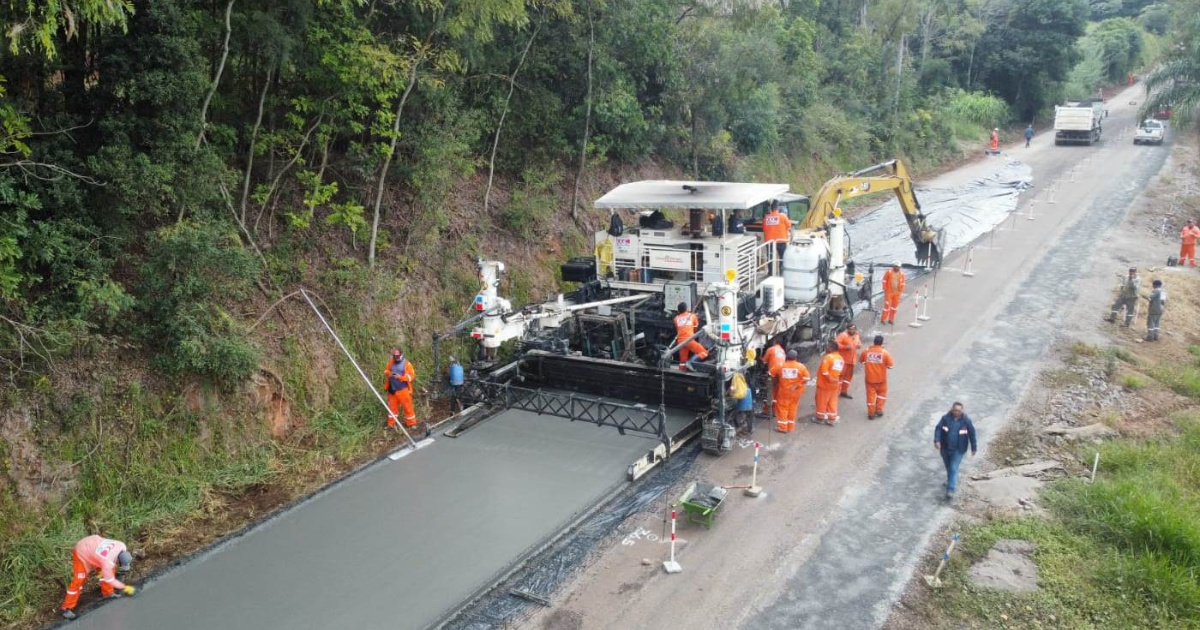
The restoration of SC-305, between São Lourenço do Oeste and Campo Erê, is progressing with 70% of completion and transforming a previously neglected axis into a logistical corridor for grains and animal protein in the Western region.
With R$ 120 million invested, the 28 kilometers stretch is receiving rigid pavement in 23 centimeters of concrete, a solution designed for a service life of 20 years and lower maintenance needs.
According to information from the ND+ portal published this Tuesday (19), the delivery is still scheduled for 2025, with concrete pouring in its final phase and main paving programmed to be completed by the end of the year.
-
Driver who “holds” the left lane can receive a hefty fine and 4 points on their driver’s license even if they think they are going at the correct speed for the road.

-
São Paulo Government puts R$ 343 million on the table and releases 31 km of duplication, 9.84 km of third lanes, 4 reinforced viaducts, and 8 grade-separated returns.

-
Volvo FH 2026 truck automatically reduces speed in risk areas in Brazil with GPS, activates engine brake without driver intervention, and combines safety with aerodynamics capable of saving up to 3% of diesel in some operations.

-
A viaduct over 40 years old in a city in Minas Gerais was closed due to the risk of collapse, blocked routes for months, exposed maintenance failures, and now requires a R$ 1.7 million project to prevent a collapse in the urban heart for decades.




Western Region Gains a Safer Route for Agriculture
The highway daily serves heavy trucks transporting beans, corn, soybeans, wheat, and rice, as well as dairy production, pigs, and poultry.
By reducing bumps, potholes, and travel times, the project improves operational safety and provides predictability for distribution, a sensitive point for cooperatives, slaughterhouses, and agribusinesses in the region.
Why Concrete Changes the Game
The project adopts Conventional Whitetopping (Overlay), a technique that applies concrete directly over the existing asphalt pavement.
This choice increases durability, better distributes loads, and reduces future interventions.
In the construction site, the sub-base and the base for the 28 kilometers have already been completed, allowing for the acceleration of the concrete pouring for the main lane and the third lanes.
Structural Interventions Along the Stretch
The improvements are not limited to overlay. New intersections and the redesign of the route at km 10.9 are planned, a measure that corrects geometric conditions and increases safety.
The project also includes implementation of shoulders and changing the width of the traffic lanes from 3.30 m to 3.50 m, enhancing stability for both cargo and passenger vehicles.
In the urban perimeter, between kilometers 6.20 and 7.06, there will be reinforcement of the pavement with asphalt concrete, with superficial and deep repairs to harmonize the rigid solution with areas of higher urban interaction.
This adaptation ensures operational continuity without imposing barriers to local circulation.
Third Lanes and Increased Capacity
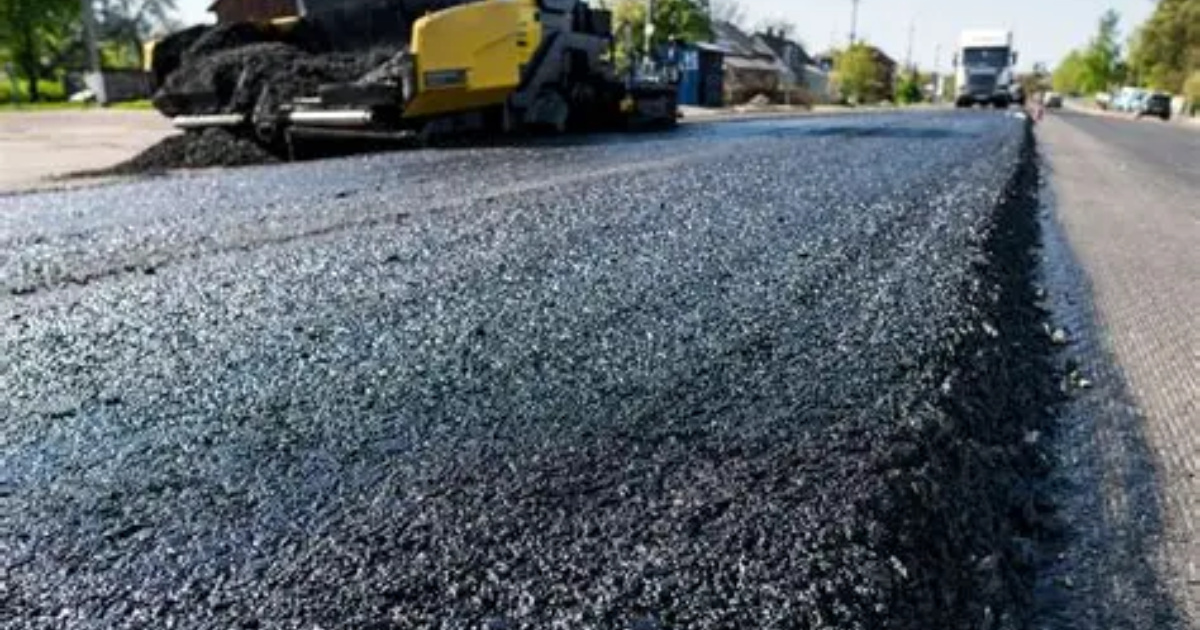
To accommodate traffic, the contract provides for 11.12 kilometers of additional lanes distributed according to the points of greatest slope and flow.
The third lanes reduce risky overtaking, decrease queues, and increase efficiency in cargo transportation.
In practice, truck drivers ascend more safely while light vehicles maintain their travel pace without forced maneuvers.
Access to Communities and Regional Integration
The services include access to rural properties, connection with SC-159, and serving the community of São Brás.
This network of connections facilitates the transportation of inputs, the exit of production, and the daily movement of residents, health professionals, and students.
In addition to the economic impact, the improvement reflects on public services, supply, and quality of life.
From Poor Highway to Government Priority
For decades, SC-305 remained in a poor condition, despite its strategic role in the exchange between municipalities in Santa Catarina and Paraná.
The scenario changed with its inclusion in the Good Road Program, described by the state government as the largest road investment package in the history of Santa Catarina.
According to the Infrastructure Secretariat, led by Jerry Comper, the proportion of state roads in excellent or good condition has improved compared to 2023, when 73% were classified as poor.
The restoration of SC-305 is part of this broader recovery effort of the network.
Schedule and Progress in 2025
The work fronts began in April and, since then, physical milestones have followed. Completion of the sub-base and base along the entire segment, installation of third lanes, and rapid initiation of concrete pouring have occurred.
The rigid pavement is expected to be completed by the end of 2025, a crucial step to open the road with superior performance for heavy loads and greater driving comfort.
What Has Been Done and What Is Next
With the support infrastructure ready, the execution focuses on the application of concrete, regularization of drainage devices, and the finalization of urban points.
Next, horizontal and vertical signage, the delivery of intersections, and safety adjustments at the transitions between concrete and asphalt will be implemented.
The combination of wider lanes, third lanes, and geometric finishes should reduce head-on collisions, run-offs, and accidents during overtaking.
Expected Impacts on Grain and Animal Protein Transport
The expectation is that travel times will decrease during peak harvest times and animal transport, increasing logistical reliability for slaughterhouses and cooperatives.
Fewer maintenance stops and less surface deformation mean more regular routes for refrigerated trucks and sensitive cargo.
In parallel, the durability of the 23 cm concrete mitigates recurring costs with pothole repairs, easing the public budget in the medium term.
Extension of Public Investment
The investment of R$ 120 million in SC-305 adds to other fronts of the Good Road Program on state highways, focusing on stretches with high agro-industrial flow.
Prioritizing productive corridors is a strategy to reduce bottlenecks and connect regions with a strong export base.
For specialists, in the end, SC-305 changes its status: from a fragile road prone to interruptions to a strategic corridor for the circulation of grains, meats, and dairy products.