Portuguese
  Spanish


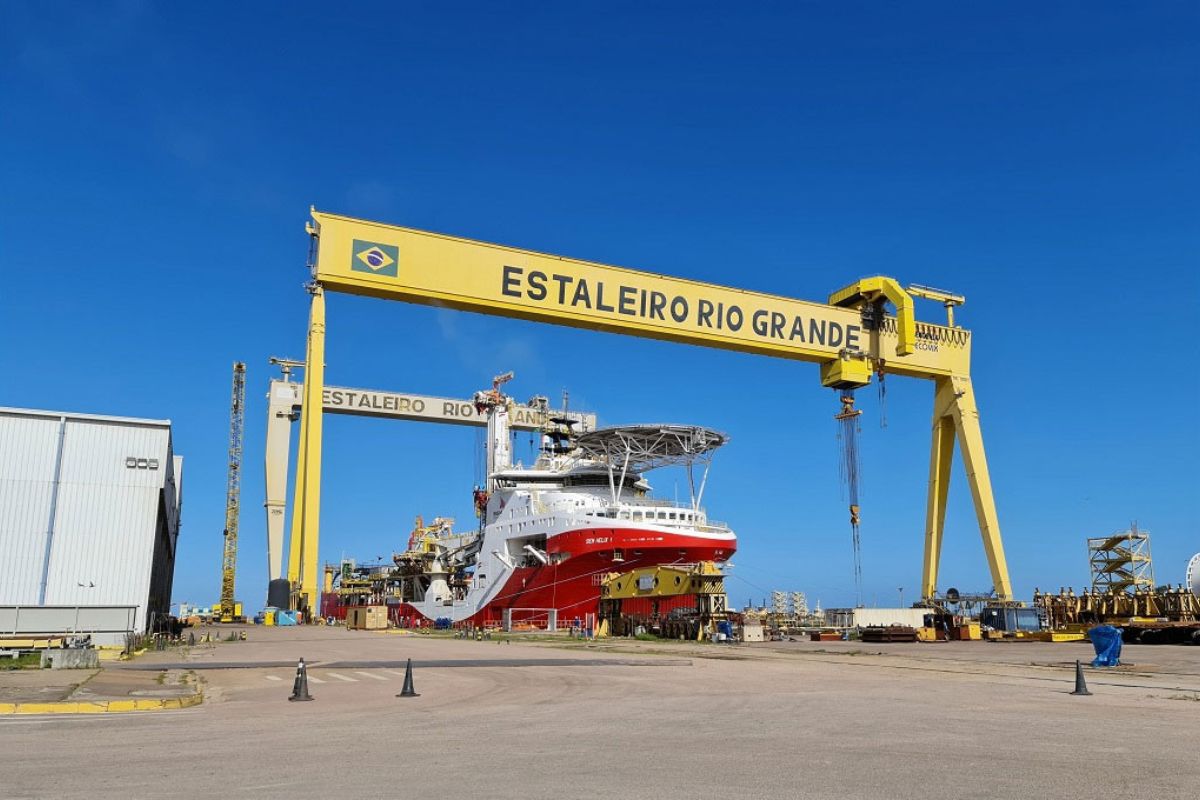


Located at the Rio Grande Shipyard (RS), the dry dock that was the stage for the peak and crisis of the Brazilian shipbuilding industry now resurges with new projects, including the recycling of platforms.
According to a strategic analysis report on the Brazilian shipbuilding industry, the title of largest dry dock for shipbuilding in Brazil, and also in Latin America, belongs to a monumental structure located at the Rio Grande Shipyard (ERG), in the city of Rio Grande, Rio Grande do Sul. The trajectory of this asset reflects the country’s industrial policy over the past two decades, marked by a cycle of meteoric rise, dramatic collapse, and a recent and promising revival.
Designed to be a “platform factory” for Petrobras, the dock was the epicenter of the revitalization of the national shipbuilding industry. However, its history is also marked by a crisis that paralyzed its operations for years. Today, the giant resurges with a new strategy focused on diversification of services, from repairs to sustainable recycling of vessels.
The Dimensions and Capacity of the Dock
The central infrastructure of the Rio Grande Shipyard is its dry dock, a work that redefined the capacity of naval engineering in the country. Its dimensions are impressive: 350 meters in length and 133 meters in width, with a depth of 13.8 meters.
-
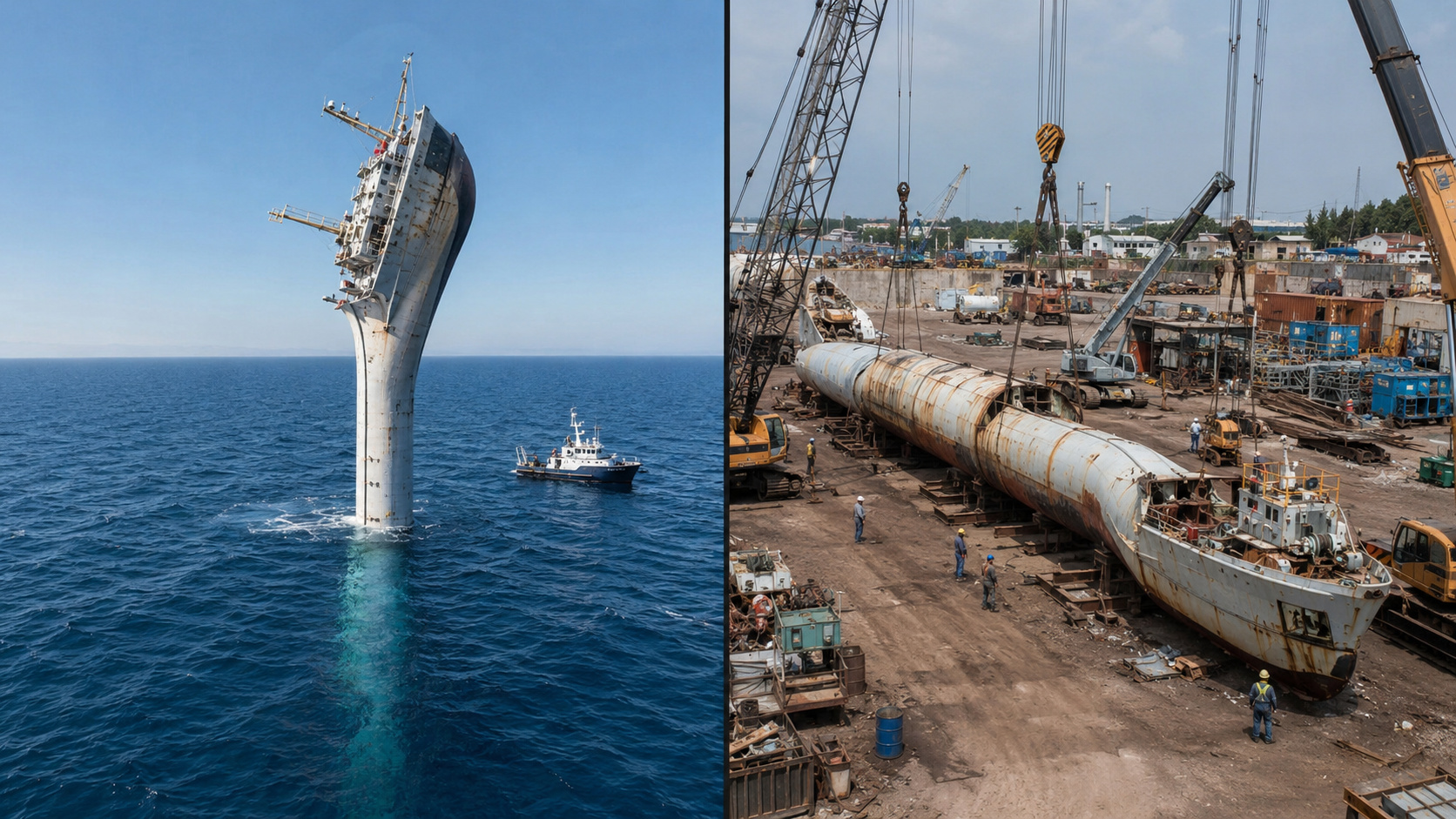
The FLIP: A 108-Meter Ocean Laboratory That Stood Vertically for 60 Years, Dismantled in 2023

-
North Korean Fiasco: Launch of the Largest Warship Ends in Sinking

-
While giant ships still burn heavy fuel and the maritime sector races against climate targets, Maersk and Vale are starting to bet on ethanol as a new route to reduce emissions at sea.

-
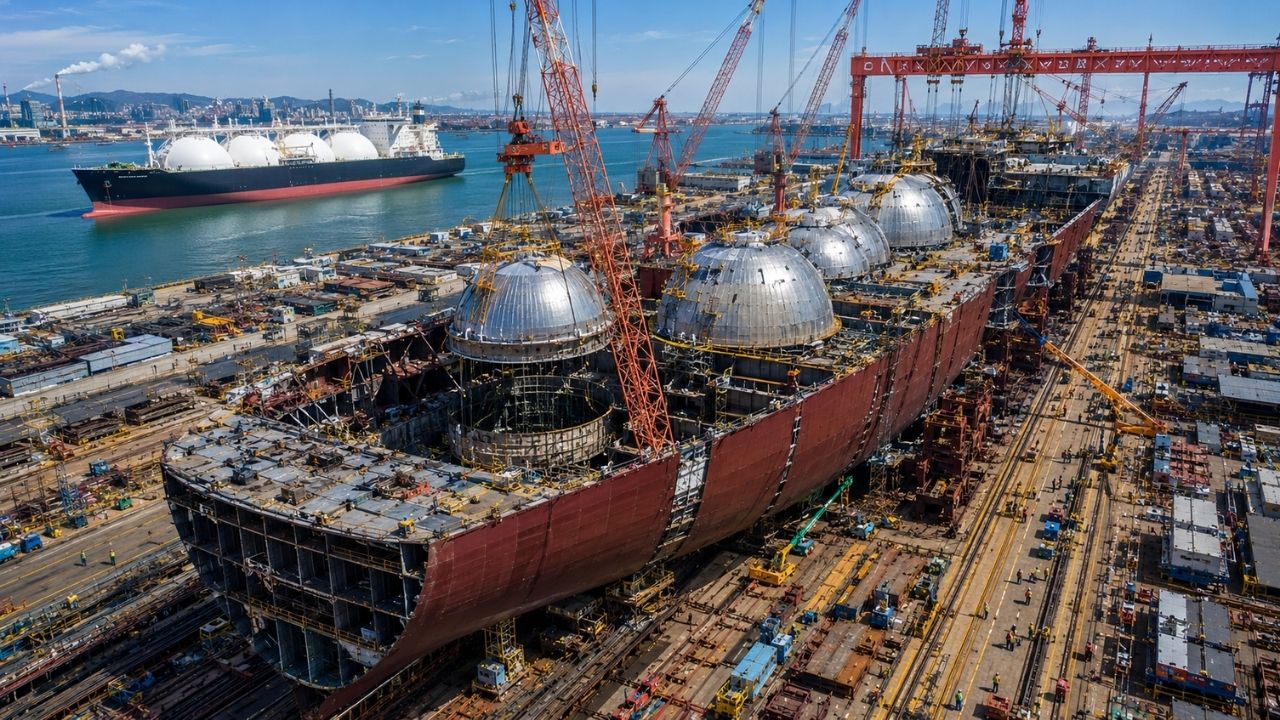
China begins construction of the world’s largest LNG ship, a 344-meter giant capable of supplying 4.7 million homes for a month, carrying 271,000 m³ of gas, and placing QatarEnergy in the largest naval order ever recorded in world history.


The operational capacity of the dock is amplified by its machinery. The main piece is the “Goliath” Portal, a giant crane capable of lifting up to 600 tons, which moves on tracks throughout the length of the structure. The dock was designed to allow the simultaneous construction of two large FPSO-type platforms (Floating Production, Storage and Offloading Units), making it a strategic asset for Petrobras’ pre-salt plans.
The Peak of the Naval Hub and the Role in the Construction of Petrobras Platforms
The shipyard, built by WTorre and delivered in May 2010, was the key piece of an ambitious state policy to revitalize the Brazilian shipbuilding industry, driven by Petrobras’ demand. The operation of the dock was taken over by Ecovix, which won a contract in 2010 to build eight “replicant” hulls for FPSOs.
The dock was fundamental for the construction of hulls for platforms such as P-66, P-67, and P-69. It is important to note, however, that other iconic platforms of the time, such as P-74, P-75, P-76, and P-77, had their modules built and integrated in other shipyards in the Rio Grande Naval Hub or even in other states and in China, highlighting the complexity and fragmentation of production at that time.
The Revival Starting in 2021, Repairs, Recycling, and New Ships
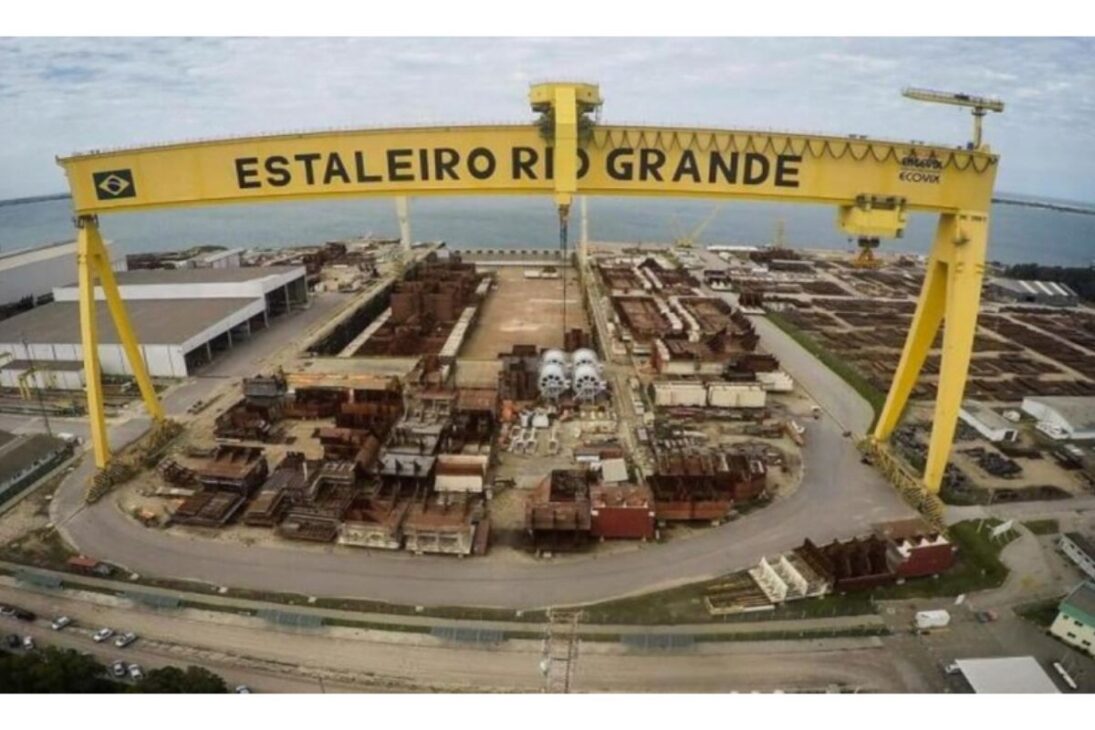
After a long period of paralysis, the Rio Grande Shipyard began a remarkable process of revival, with a new strategy focused on service diversification to avoid dependence on a single client.
Naval Repair: in August 2021, the dock resumed operations with the repair of the well stimulation vessel Siem Helix I.
Sustainable Recycling: in December 2023, the shipyard became a pioneer in Brazil by receiving Petrobras’ P-32 platform for a dismantling and sustainable recycling process, in partnership with Gerdau.
Return to Construction: the milestone for the resumption occurred in February 2024, with the signing of a US$ 278 million contract with Transpetro for the construction of four tankers, placing the shipyard back on the map of shipbuilding.
The Future of the Largest Dry Dock for Shipbuilding in Brazil
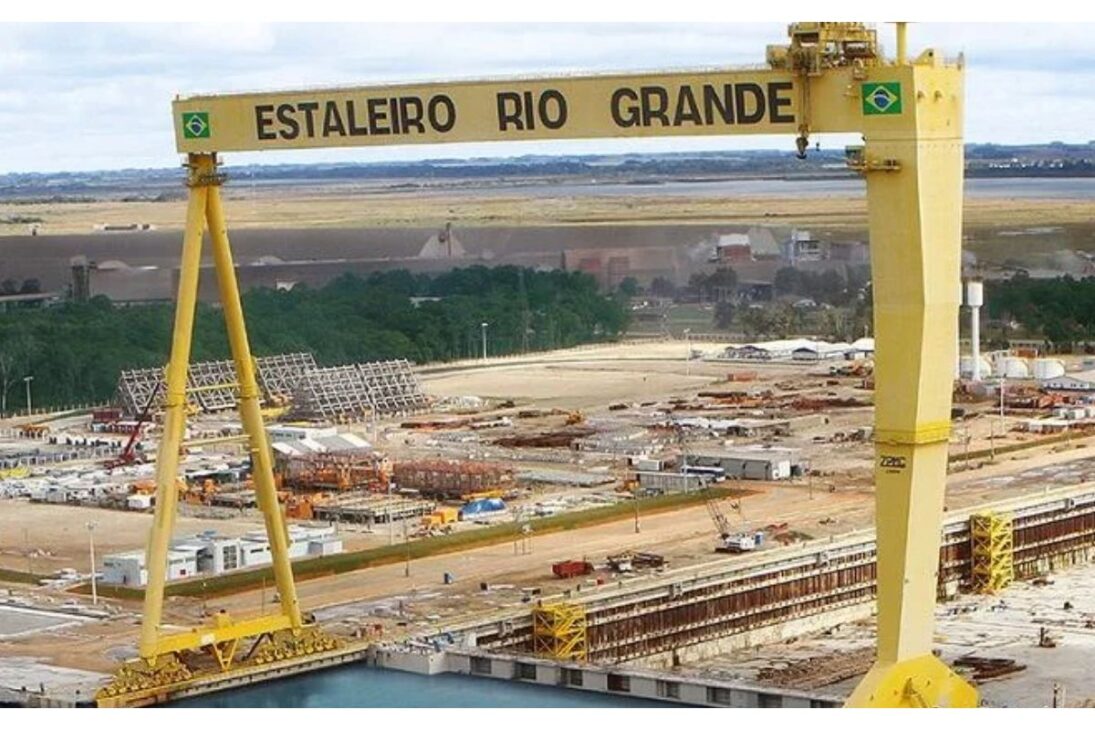
The future of the Rio Grande Shipyard, although promising, depends on the sustainability of demand for new projects and the ability to requalify the specialized workforce that was demobilized during nearly a decade of crisis.
The strategy to diversify activities, combining construction, repairs, and recycling, is an attempt to create a more resilient business model and avoid repeating the “boom and collapse” cycle that marked its history. The trajectory of the largest dry dock for shipbuilding in the country continues to be an important thermometer for the health of the Brazilian shipbuilding industry.