





 Portuguese
  English
  Spanish
  4 min of reading
  0 comments


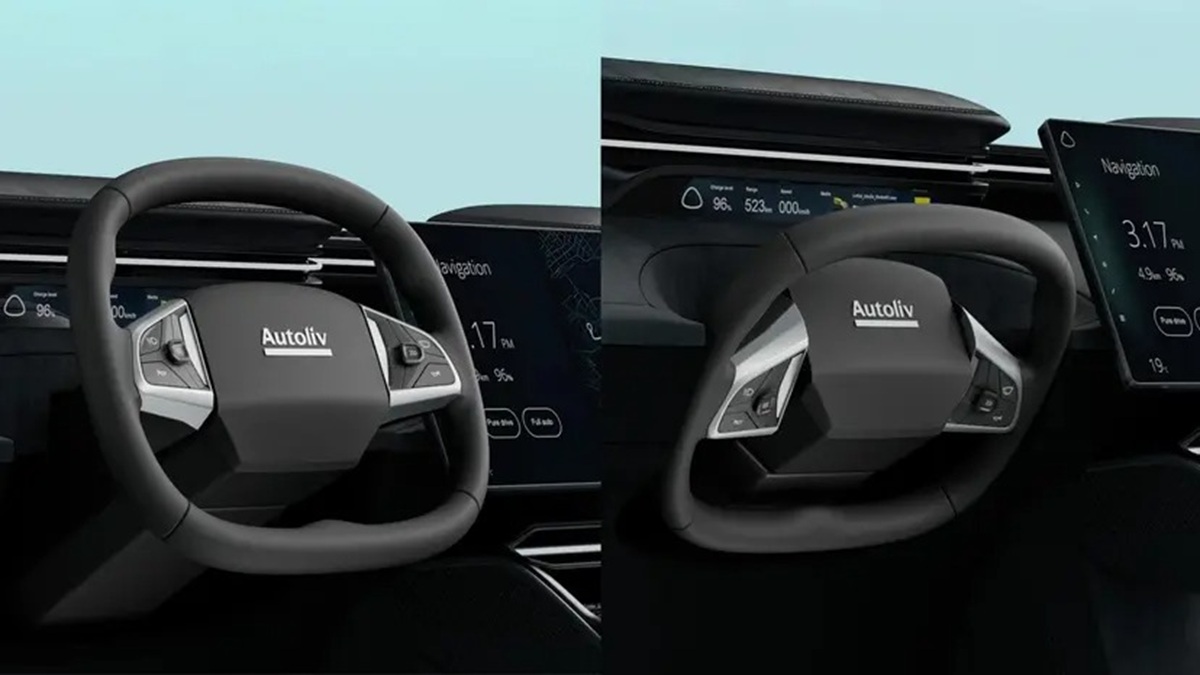
Developed by Autoliv in partnership with Tensor, the first foldable steering wheel in the world was designed for Level 4 autonomous vehicles, retracts completely in automatic mode, frees up internal cabin space, and will be launched on the Tensor Robocar, with mass production expected in the second semester of 2026
Autoliv and Tensor have jointly developed the first foldable steering wheel in the world, integrated into a Level 4 personal autonomous vehicle, with a launch expected in the second semester of 2026, promising to free up internal space without compromising safety systems.
The system will be launched on the Tensor Robocar, an autonomous vehicle ready for mass production, capable of operating from Level 0 to Level 4. The project responds to structural changes in vehicle interiors as automation reduces the need for constant human controls.
Retractable Steering Wheel with Two Modes of Operation
The foldable steering wheel was designed to operate in two distinct modes depending on the vehicle’s driving state. During manual driving, it functions like a conventional steering wheel, allowing full control by the driver.
-
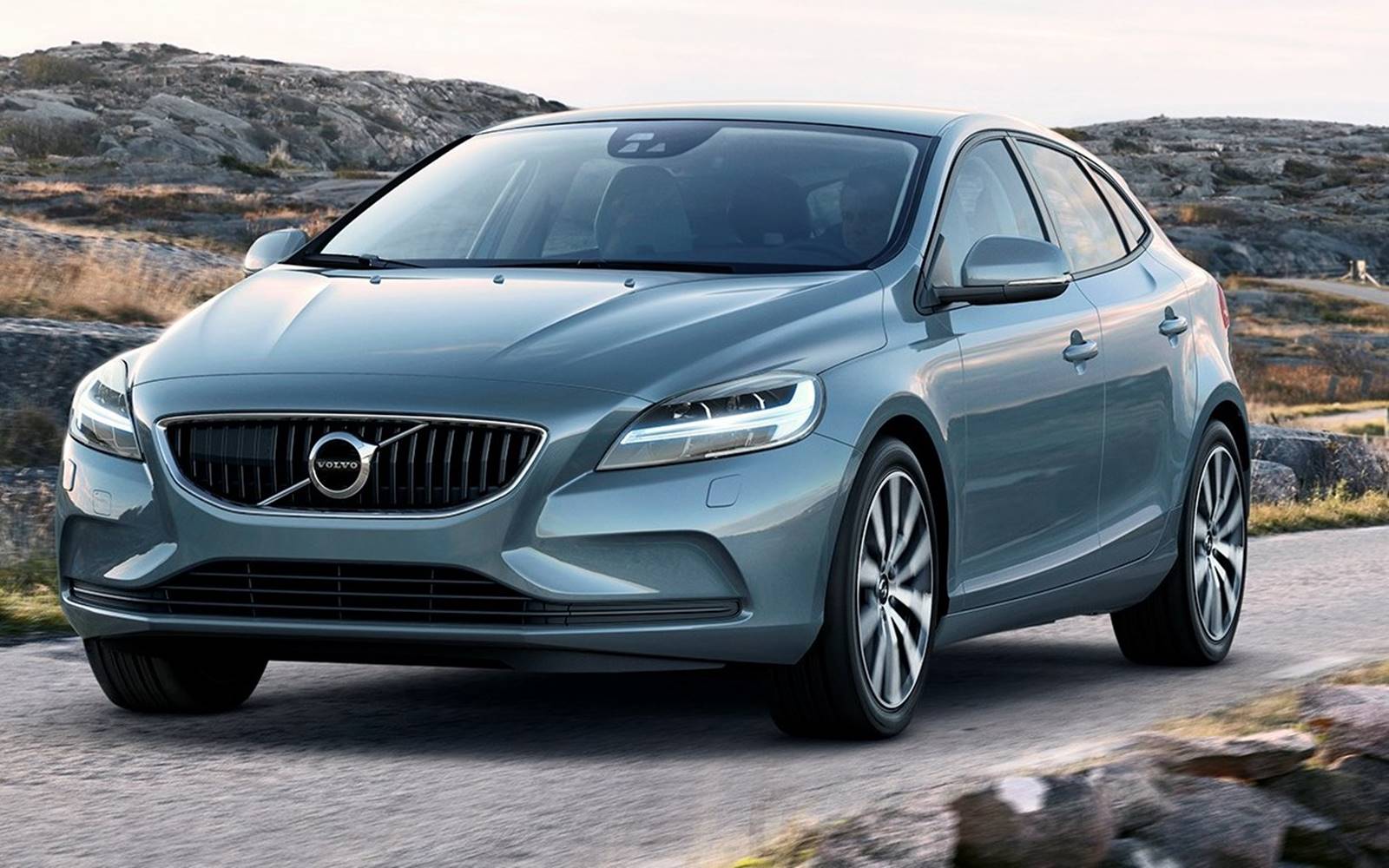
Cheaper than Fiat Pulse, Renault Kardian, and Volkswagen Tera: with a 2.0 turbo engine of 190 hp, 30.6 kgfm torque, automatic transmission, and Swedish safety package, this premium hatch delivers sports car performance at the price of a new compact: meet the Volvo V40 T4 Momentum 2017.

-
Cheaper than a new Mobi and a Polo: with a 1.8 engine of up to 139 hp, 6-speed Aisin automatic transmission, 300 liters of trunk space, and a complete equipment package, this hatch stands out for its performance and cost-effectiveness for those seeking sportiness without spending too much. Meet the Fiat Argo HGT 2018.

-
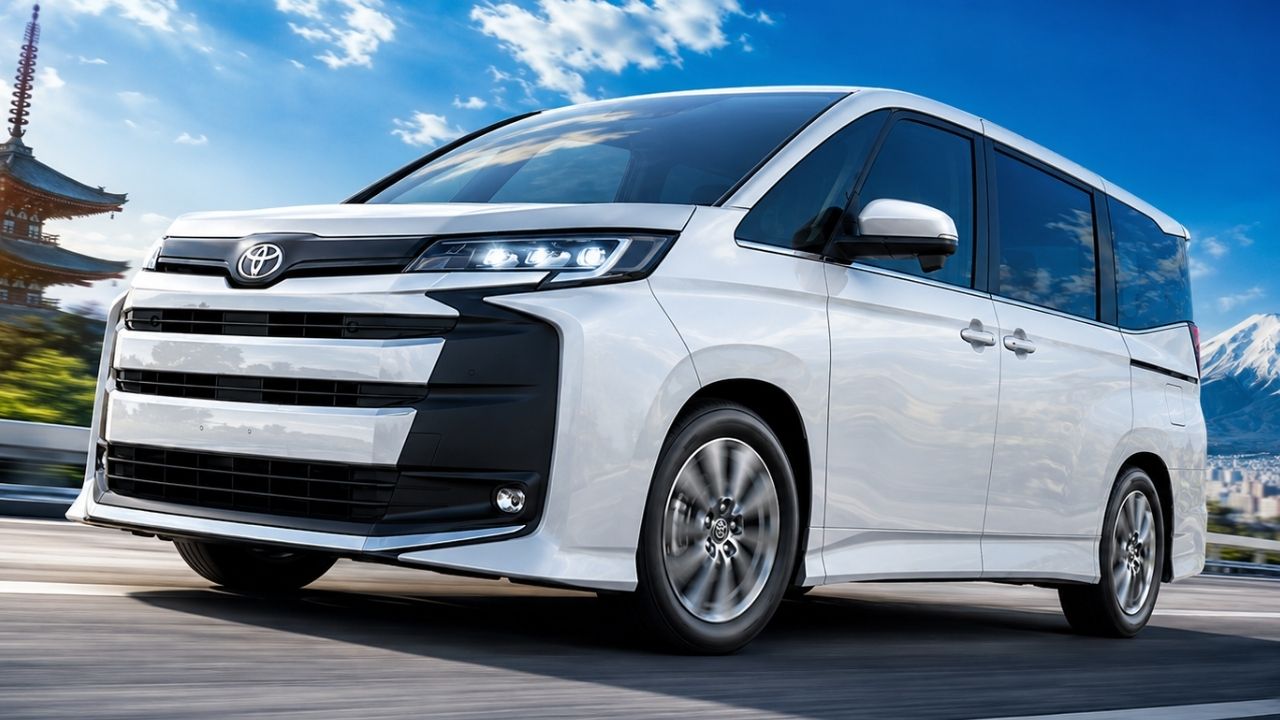
Toyota launches “family hybrid van” with 7 or 8 seats, 1.8 hybrid engine, fuel consumption of up to 23.8 km/l, and a price equivalent to about R$ 104,000 without taxes, below the Tiggo 8 Pro Plug-in Hybrid sold in Brazil: meet the Noah Hybrid 2026 in Japan.
-
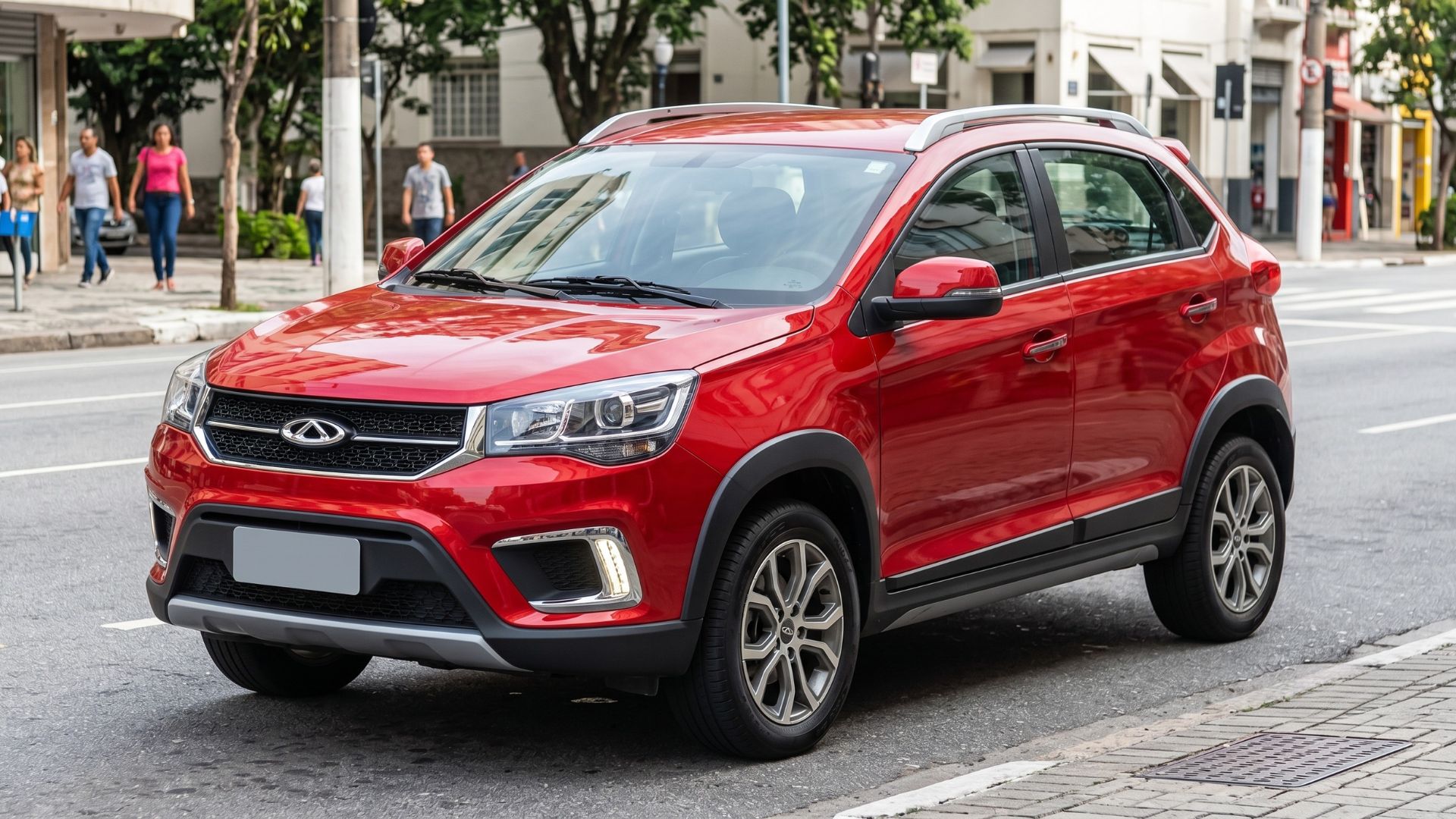
With the look of a compact SUV and the price of a rational used car: 1.5 flex engine with 115 hp, automatic transmission, 420-liter trunk, and multimedia make the Caoa Chery Tiggo 2 Look 1.5 AT 2020 an unconventional alternative.


When the vehicle enters Level 4 autonomous operation, the steering wheel retracts completely. In this mode, the system takes on all driving tasks under defined conditions, eliminating the need for direct human interaction.
According to the companies, this approach removes limitations imposed by traditional steering systems in autonomous scenarios. Steering wheels, pedals, and fixed panels begin to restrict comfort and flexibility when the car drives itself.
Transformation of the Internal Cabin Space
With the steering wheel fully retracted, the driver’s area is freed up, allowing the front cabin to transform into a more open space. Tensor claims this enables new seating positions and better legroom.
The user experience, according to the company, becomes closer to a lounge when manual control is not necessary. The internal layout is reorganized to prioritize comfort and freedom of movement during autonomous driving.
This redesign reflects a broader shift in automotive interiors as vehicles advance to higher levels of automation and physical components become less central at all moments of travel.
Adaptive Safety Systems by Driving Mode
The vehicle’s safety systems automatically adapt according to the active mode. When the steering wheel is retracted, a passenger airbag integrated directly into the dashboard is activated.
Upon returning to manual driving, the airbag housed in the steering wheel is used again. Autoliv states that both configurations provide the same level of protection to occupants despite structural differences.
For the company, automotive safety needs to move away from a one-size-fits-all philosophy. Systems must dynamically respond to changes in vehicle states and user behavior, ensuring equivalent protection across all scenarios.
Integration with the Autonomous System of the Tensor Robocar
The foldable steering wheel is directly integrated into the autonomous driving system of the Tensor Robocar. The transition between manual and autonomous modes occurs in a coordinated manner with the other vehicle systems.
Fabien Dumont, Executive Vice President and Chief Technology Officer of Autoliv, stated that the solution seeks to align safety and comfort with the real needs of the driver, making the system intelligent and adaptive.
According to him, the collaboration with Tensor resulted in a driving solution that adjusts to the vehicle’s mode, enhancing protection without limiting user experience, even with the physical absence of the steering wheel.
Project Focused on Mass Production
Tensor emphasizes that the foldable steering wheel is not limited to a concept car. The company plans to implement the system in a production vehicle intended for private ownership, not just in pilot fleets or experimental programs.
Jay Xiao, CEO of Tensor, stated that fully autonomous driving offers a new experience, but manual driving is still desired in certain scenarios, requiring a dual-mode solution.
According to him, foldable driving systems existed only in concepts, but are now being brought to mass production vehicles for daily use, combining advanced autonomy and human control when necessary.
Autonomy from L0 to L4 and Expected Markets
The Tensor Robocar will support autonomy levels from L0 to L4, allowing switching between full manual control and autonomous operation depending on the situation. The vehicle will be offered in the markets of the United States, European Union, and the Middle East.
Autoliv claims that the collaboration illustrates the expanding role of safety suppliers, who now directly influence the design of interiors for an autonomous future, where hardware needs to adapt with the same fluidity as the software that controls the vehicle.





-

1 person reacted to this.