Portuguese
  Spanish


Industrial Efficiency Impresses And Places Chinese Automaker Ahead In The Global Race For Electric Vehicles
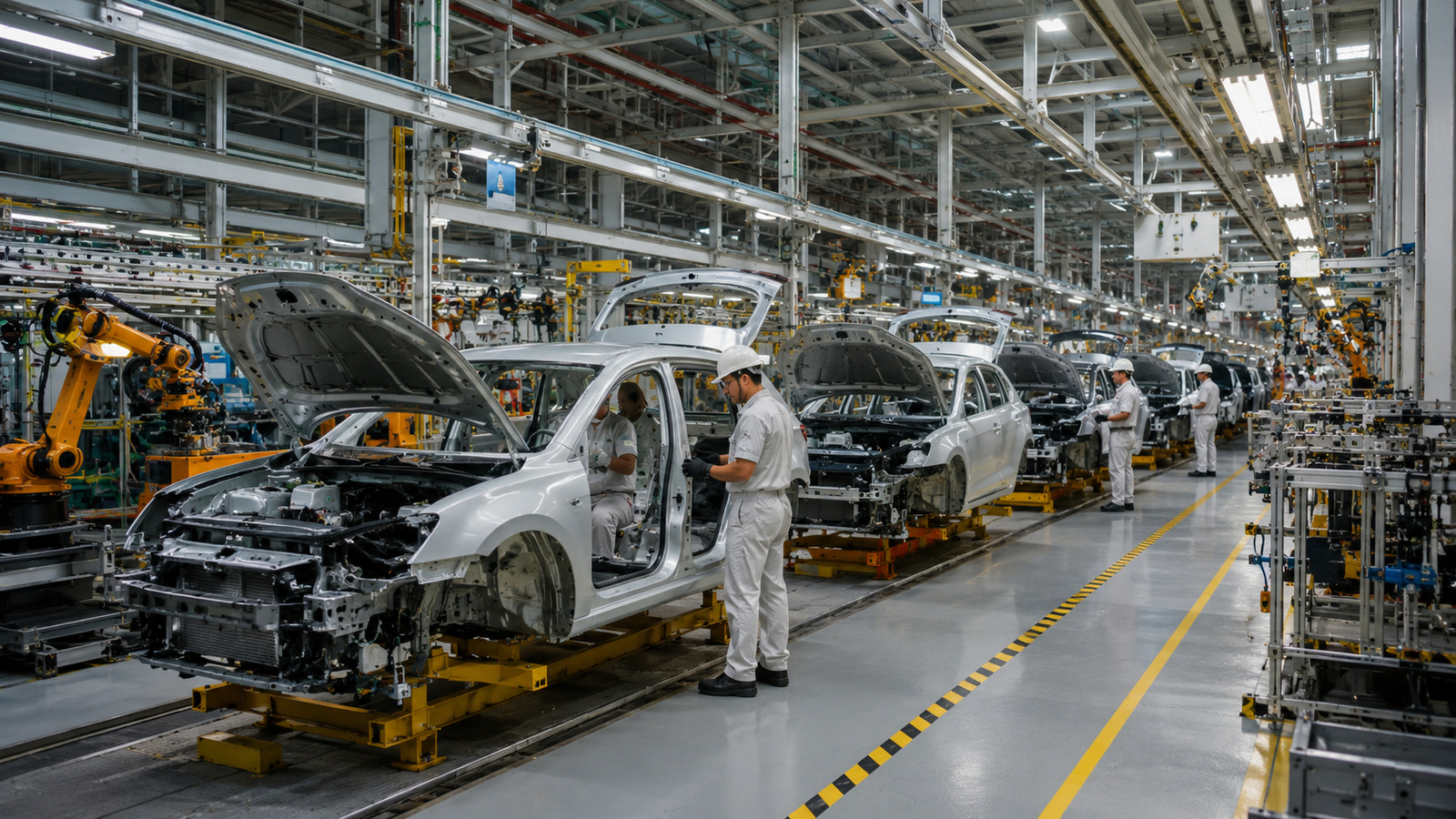
Xiaomi has entered the electric vehicle market with force. With the launch of the SU7, the Chinese company showcased its top-tier industrial capability, even surpassing traditional brands like Tesla in production pace. According to the company itself, a new car can roll off the assembly line every 76 seconds.
Accelerated Production At HyperFactory
This impressive mark is only possible thanks to the so-called HyperFactory, located on the outskirts of Beijing.
The site is fully automated and combines speed with environmental responsibility. The plant occupies 718,000 m², with 396,000 m² dedicated to manufacturing.
-
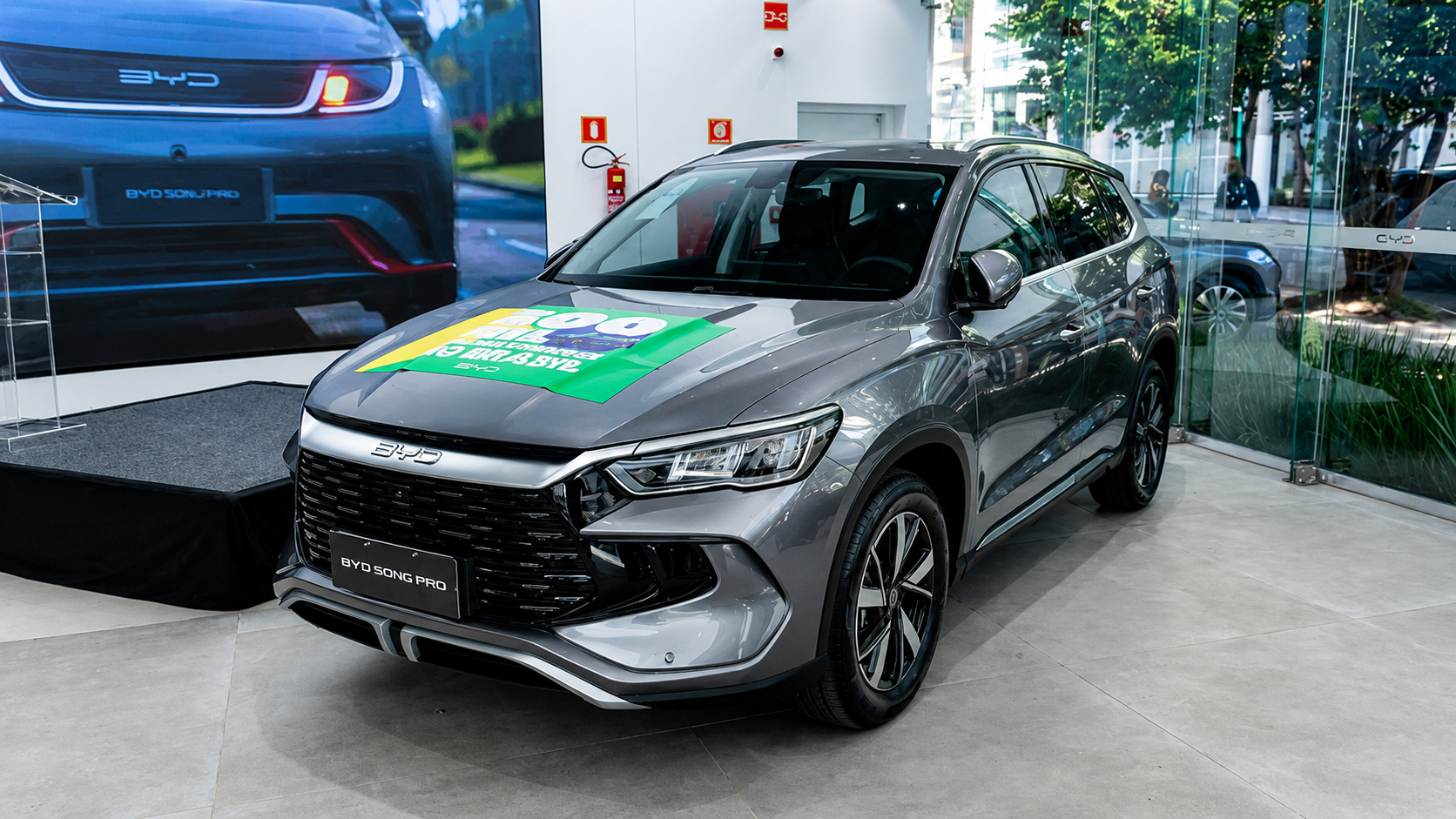
BYD’s Dolphin Mini Becomes Electric Vehicle Sensation in Brazil, Surpassing 300,000 Sales with Major Factory and Retail Leadership

-
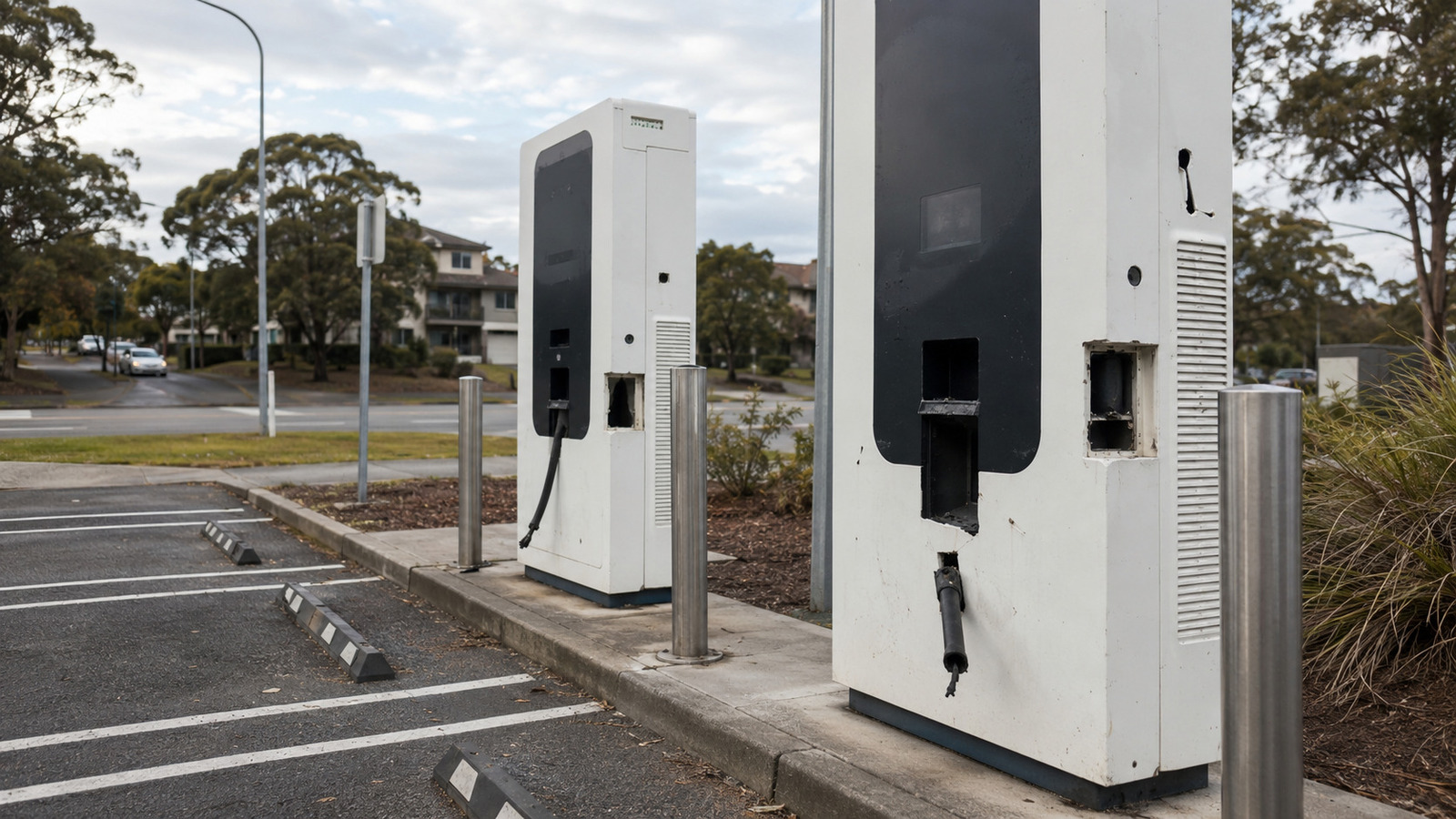
Brazil Faces Surge in Copper Wire Thefts at Electric Car Charging Stations, Leaving Drivers Stranded

-
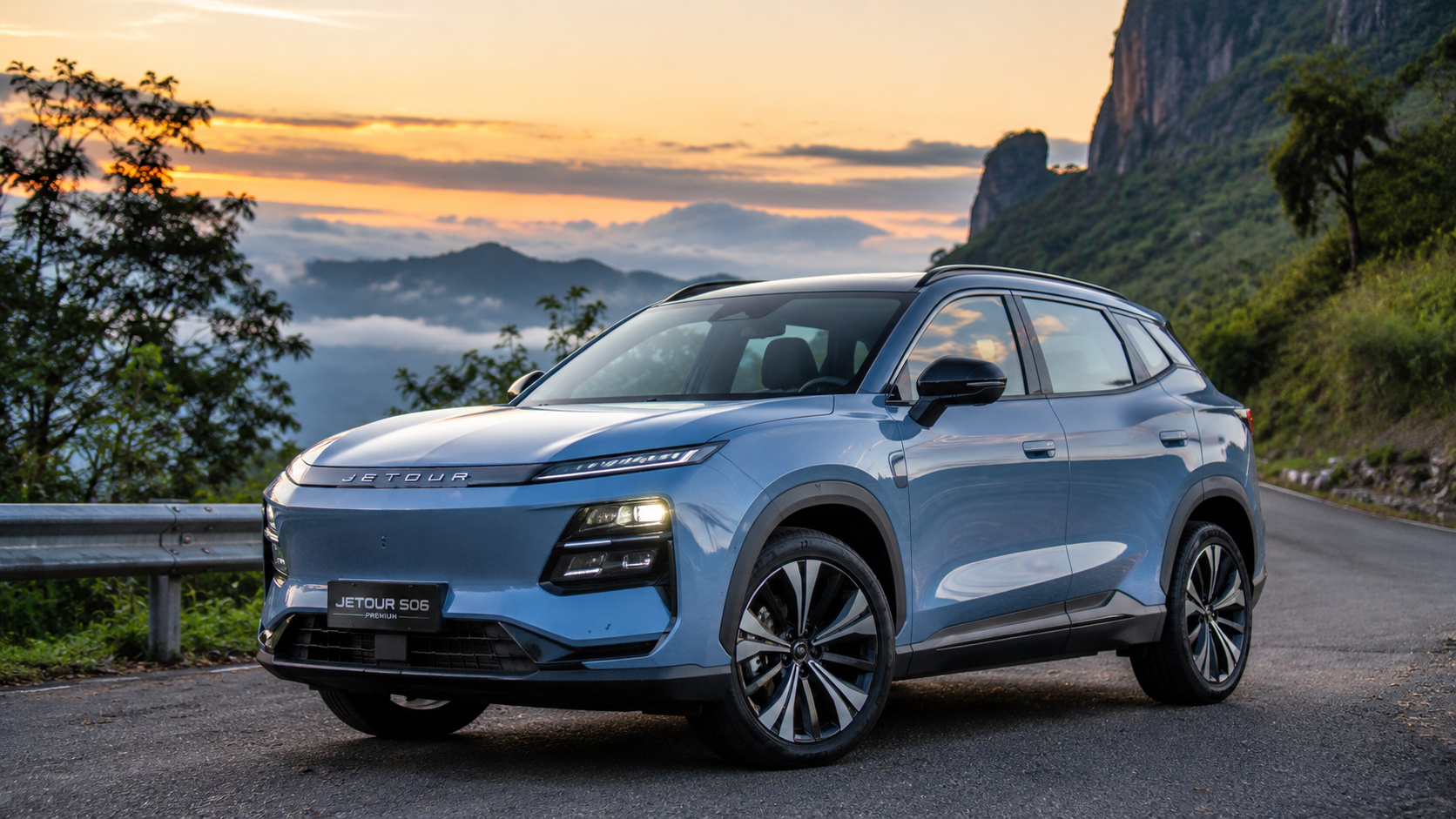
Jetour S06 Launches in Brazil as a More Affordable Plug-In Hybrid SUV Than BYD Song Plus and Haval H6, But Tests Highlight Its Shortcomings
-
Electric and Hybrid Cars Set to Transform Brazilian Streets: A New Era Begins
More than 700 robots are involved in the process, with 91% of tasks automated.
Xiaomi’s CEO, Lei Jun, states that the production target was achieved through the integration of cutting-edge technologies.
The assembly system uses 39 robotic arms to handle large pieces of the body structure. All of this results in up to 40 cars per hour rolling off the production line.
Advanced Casting And Assembly Technology
One of the highlights of the factory is the Hyper Die-Casting 79 100 Cluster, which allows the rear part of the chassis to be molded in a single piece made with a titanium alloy developed by Xiaomi itself.
Previously, 72 different parts and 840 welding points would be required. Now, this component is made in a single step, speeding up the process and reducing waste.
In addition, the finishing of the vehicles is handled with the 3C2B method, which consists of three layers of paint and two bake cycles.
The result is a superior smoothness of 8% compared to conventional methods. A quick-change system allows the color of the vehicle to be changed in just 40 minutes. Nine options are offered, distributed among the SU7, SU7 Pro, and SU7 Max versions.
Sustainability And In-House Testing Circuit
The factory also features a photovoltaic plant that generates 16.4 million kWh per year. This reinforces Xiaomi’s commitment to ecological practices and reducing environmental impact. Next to the facility, there is a testing circuit that is 2.5 km long.
Here, vehicles can reach speeds of up to 120 km/h on straight stretches, ensuring quality control before delivery.
To ensure efficiency across the entire production chain, Xiaomi has established an integrated supply network with Chinese suppliers such as CATL and BYD, leaders in the battery sector. This ecosystem strengthens the country’s technological autonomy and reduces external dependencies.
The public response to the SU7 was immediate. Just 24 hours after the launch, the company received 88,000 orders, a number that already surpasses the annual target of 75,000 units. This initial performance confirms Xiaomi’s potential as a new force in the global automotive sector.
Xiaomi Bets On New Models
The brand has already signaled that it will expand its lineup of electric vehicles. Plans include an SUV and a third model aimed at consumers looking for more affordable options.
The strategy is clear: democratize sustainable mobility and compete in the most competitive market segments.