






 Portuguese
  Spanish


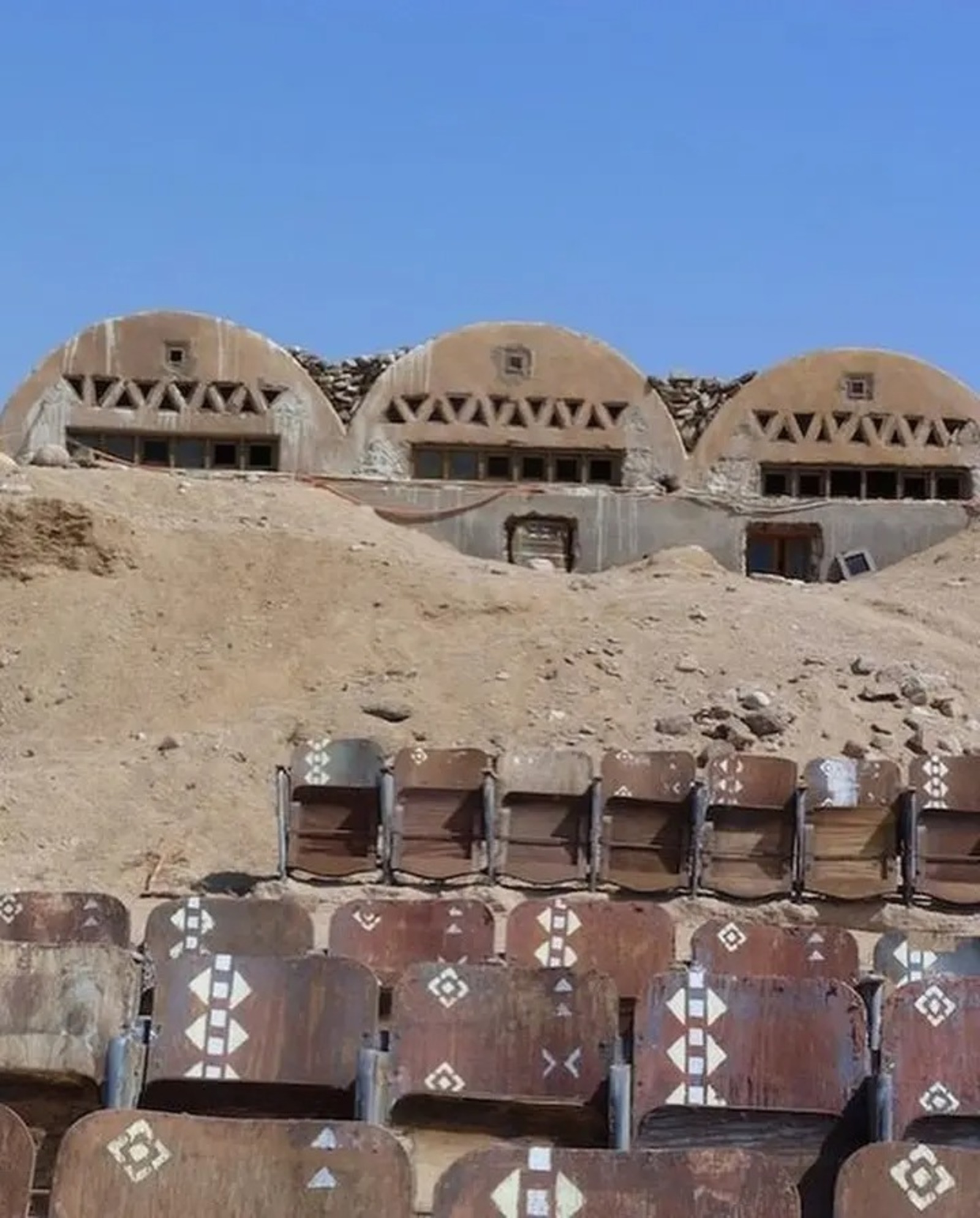
Raised By A French Entrepreneur Around 2000, The Open-Air Cinema In The Sinai Never Functioned, Exposes Cultural Shocks, Logistical Failures And Remains As A Physical Vestige Of An Isolated Artistic Ambition
In the heart of the Sinai Desert, in Egypt, an abandoned open-air cinema intrigues researchers and travelers by revealing how an extreme cultural intervention failed before its premiere, becoming a lasting symbol of isolated artistic ambition.
A Cinema Built Far From Everything
Known as End of the World Cinema, the site was built around the year 2000, in a remote area, surrounded by sand, rocks, and absolute silence.
The idealizer was Dianny, a French entrepreneur passionate about cinema, who sought to create a radically different cultural experience, away from cities, stable electrical infrastructure, and regular tourist flow.
-
Brazilian Student Juliana Estradioto Wins Global Science Prize for Creating Biodegradable Material from Passion Fruit and Macadamia Shells, Has Asteroid Named After Her

-
Three-Year-Old Brazilian Boy with IQ of 142 Joins Mensa, Excelling in Reading, Math, and Memory Skills
-
Argentina to Use 2026 World Cup to Pressure Over 13,000 Child Support Debtors, Warns They May Be Banned from Stadiums

-
Man Who Lost Vision Due to Lack of Roads Invests Fortune in Building 59 km Route, Ending 1,300 Years of Isolation in Brazilian Village and Boosting Tourism and Jobs



The proposal combined simplicity and risk by installing an open-air screening room in the middle of the Sinai Desert, betting on the symbolic power of geographical isolation.
Improvised Structure In Extreme Environment
To make the project viable, dozens of wooden chairs were imported from an old cinema in Cairo and transported by trucks to the remote area.
On-site, a white screen, projectors, and basic sound equipment were set up, forming a minimal functional structure, despite the evident logistical limitations.
The chairs remain aligned in front of the screen, in a traditional cinema pattern, creating the unsettling feeling that the audience simply has not arrived yet.
This preserved arrangement reinforces the surreal character of the space, where the natural setting contrasts with the human organization intended for film screening.
Premiere That Never Happened
Despite the assembled structure, the cinema never showed a single film, ending its activities even before officially starting its cultural proposal.
Shortly before the anticipated premiere, disagreements with local authorities and logistical problems made the regular operation of the space in the desert unfeasible.
Recurring reports indicate that a generator essential to the projector was sabotaged or removed, preventing any planned inaugural session.
Without formal authorization, reliable power, or institutional support, the project was abandoned almost immediately after its physical completion.
Abandonment And Wear Over Time
Since then, the structure has remained exposed to wind, sand, and time, with a torn screen, worn seats, and partially disappeared equipment.
Even so, the overall appearance remains surprisingly intact, enhancing the enigmatic aura that earned the site the nickname End of the World Cinema.
The extreme isolation contributed to preserving part of the original arrangement, keeping the initial artistic intent visible despite the inevitable degradation.
Late Recognition And International Interest
Years later, the cinema gained international recognition after being photographed by Kaupo Kikkas, whose images circulated widely in international media.
From this dissemination, specialized platforms on abandoned places, such as Atlas Obscura, began to portray the site as a symbol of interrupted cultural utopias.
The photographs helped consolidate the cinema as a reference for ephemeral architecture and artistic intervention in extreme environments.
Current Situation And Symbolic Meaning
Currently, the cinema has no official function, is not protected as a heritage site, and is not part of formal tourist itineraries in Egypt.
Access remains difficult, depending on local guides familiar with the Sinai, a region that has circulation restrictions in certain areas.
More than two decades later, the desert cinema remains an involuntary monument to the clash between artistic idealism, bureaucracy, and extreme geography.
Created to tell stories, the space ended up becoming, itself, a silent narrative about limits, failures, and human ambitions in hostile territories.
With information from Bossanews and other sources.





-

-

6 people reacted to this.