





 Portuguese
  English
  Spanish
 4 min of reading
  0 comments



Luxury Building with Apartments Up to R$ 9 Million in São Paulo Was Occupied by Residents Before the Habite-se and Became One of the Biggest Urban Scandals in the Country.
Located in one of the most prestigious areas of the São Paulo capital, the Villa Europa Building became a symbol of the combination of ostentation, urban irregularities, and legal disputes that marked the high-end real estate sector in São Paulo in the late 1990s and early 2000s. Valued at amounts exceeding R$ 9 million per unit, the building was expected to be just another luxury development in the Jardim Europa neighborhood, but ended up at the center of a long legal and administrative battle that lasted more than 15 years.
The story began when the construction company responsible for the project, located on Rua Tucumã, started the construction of a 27-story residential tower, featuring large glass balconies and architecture inspired by European luxury condominiums. The project was launched as the future “symbol of high standards” in São Paulo, with apartments of 600 square meters and imported finishes. However, shortly after construction began, the São Paulo City Hall discovered that the building had been constructed at a height exceeding that permitted in the original project — a difference of about 30 meters, according to documents obtained by the Municipal Licensing Department and revealed by the Terra portal.
Embargoes, Irregularities, and the “Invasion” by the Buyers Themselves
In 1999, even before the total completion of the work, the building was embargoed by the city hall and had its “habite-se denied”, which officially rendered it “non-existent” from a legal point of view. The embargo was supposed to prevent the use and occupancy of the building, but surprisingly, several high-net-worth buyers decided to move in despite lacking authorization.
-
While Saudi Arabia and Qatar are already closing a 300-kilometer-per-hour bullet train to connect the capitals in two years, Brazil is still at the stage of auctioning the first freight railway that should actually come to fruition.

-
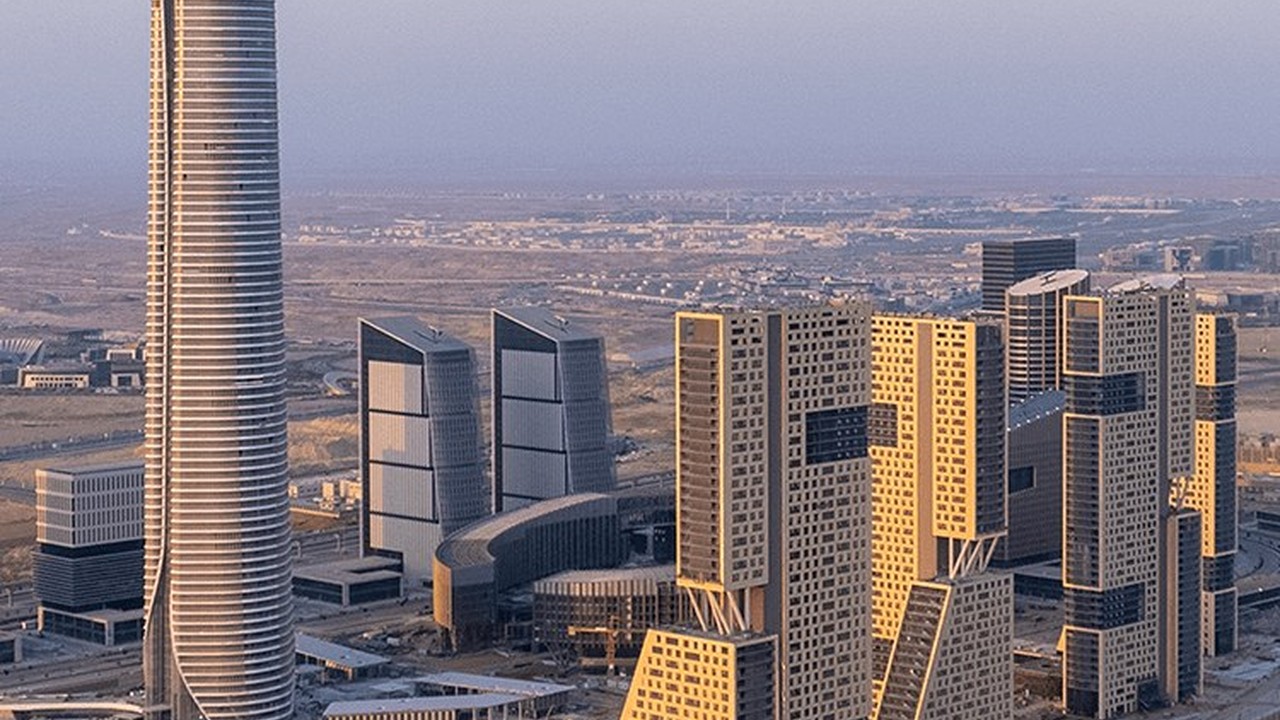
Egypt built an entire capital from scratch in the middle of the desert, with the tallest tower in Africa and the largest cathedral in the Middle East, to relieve Cairo of the burden of more than twenty million people.
-
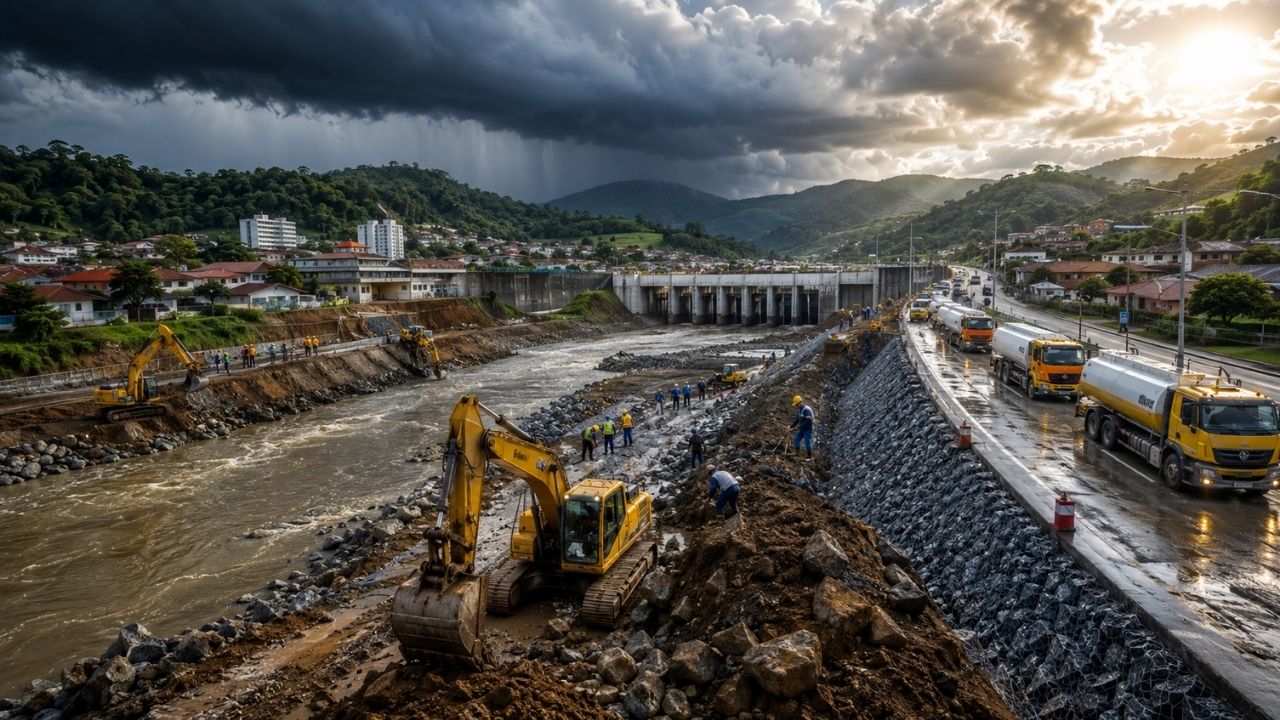
Santa Catarina invests R$ 1 billion against the risk of El Niño, accelerates work on dams, cleans rivers, delivers 641 bridges and 126 water trucks, and prepares 295 municipalities for heavy rains, floods, and landslides still in 2026.
-
Building a 95-square-meter house in 2026 can start at around R$ 185,000 at the reference base and exceed R$ 330,000 in high standard, but the final cost depends on the land, finishing, fees, and the region, with the South of the country being among the most expensive in Brazil.



The São Paulo press described the case as an “invasion by millionaires,” as the residents settled on their own in a technically irregular building without a habitation license.


Over the following years, the Villa Europa remained in legal limbo: units were purchased, occupied, sold, and resold, while the building was still considered irregular.
The construction company attempted to regularize the work several times but faced resistance from the city hall and the Public Prosecutor’s Office, which claimed non-compliance with zoning laws and disrespect for the originally approved project. The case gained prominence in newspapers and specialized magazines, such as Glamurama and Veja São Paulo, for depicting the conflict between economic power and urban legislation.
15 Years of Dispute and Late Release
Only in 2014, after a long legal dispute and negotiations between the municipality and the developers, was the building finally regularized and granted the habite-se, as published by the Terra Agency. It took 15 years of processing until the condominium was officially released.
During this period, the building was already inhabited, parking spaces were occupied, and the residents’ routine continued normally, despite the construction being technically irregular.
Industry sources claim that the impasse was only resolved after a reconfiguration of the project and the payment of urban compensations to the São Paulo City Hall. With the regularization, Villa Europa became one of the most valued buildings in the region, reaching prices of R$ 9 to R$ 10 million per unit, depending on the size and customization of the finishes.
The Portrait of a Market That Grew Faster Than the Law
The Villa Europa episode exposed a common reality in the 1990s and 2000s: the rush of the real estate market to meet the demand for luxury and status in high-end areas, often challenging legal and technical limits.
The case raised discussions about the effectiveness of urban oversight, the economic influence of large developers, and the role of public power in curbing irregularities even among the wealthiest.
Urban planners and lawyers specializing in real estate law point to the case as a landmark. According to lawyer Luiz Fernando Baggio, interviewed by the G1 portal, the episode showed that “neither luxury standards nor square meter values make a construction immune to the law.”
For him, the controversy surrounding Villa Europa demonstrated how “urban inequality in Brazil also manifests in how the law is applied to different social classes.”
From Urban Licensing Scandal to Symbol of Appreciation
After the final release, Villa Europa underwent renovations and structural updates. Today, the building is considered one of the most coveted addresses in Jardim Europa, with high-end infrastructure, panoramic views, and some of the most expensive square meters in Latin America.
Even so, its story continues to be remembered by architects, jurists, and journalists as one of the biggest urban scandals in the São Paulo capital.
The case still appears in legal records and processes in JusBrasil, linked to the “Villa Europa Building Condominium,” which involve discussions about possession, condominium, and indemnities between buyers and the construction company.
The episode left a lasting lesson for the sector: in a city where luxury grows faster than the law, the line between exclusivity and illegality can be more tenuous than it seems.








Be the first to react!