Portuguese
  Spanish


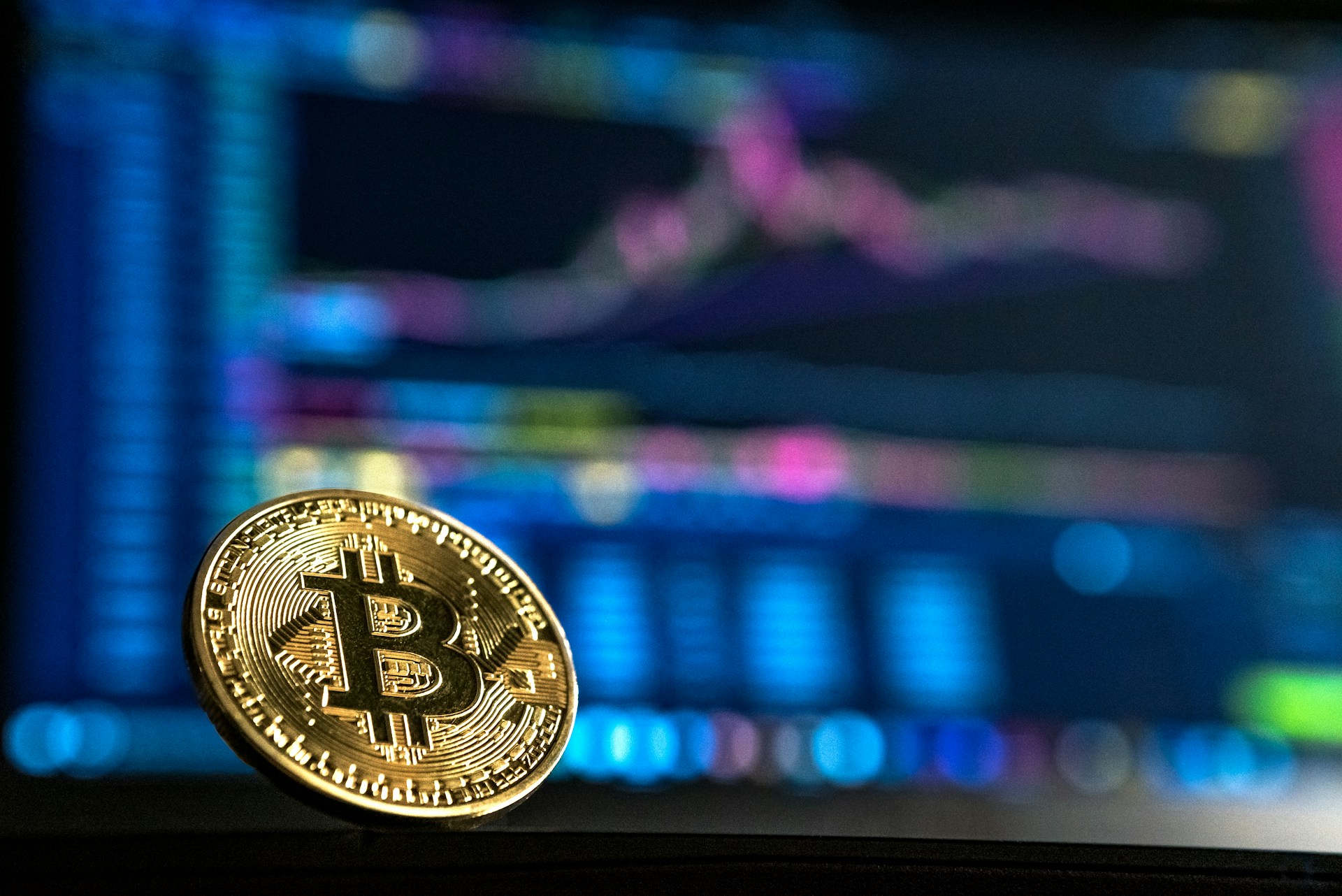

El Salvador Stops Requiring Bitcoin to Be Used as Legal Currency and Seeks to Meet IMF Demands to Secure a US$ 1.4 Billion Loan
El Salvador has decided to remove bitcoin’s status as legal tender. The decision was approved by the Legislative Assembly on January 29. The country was the first in the world to adopt cryptocurrency as official currency in 2021. Now, the use of the digital asset is optional, only among citizens and private companies.
The change is part of the reform of the Bitcoin Law. The project was presented by the Minister of Tourism, Morena Valdez, at the request of President Nayib Bukele. However, he has not publicly commented on the change.
Changes to the Bitcoin Law
The reform modified six articles of the legislation and revoked three others. The main point was the removal of the obligation to accept bitcoin as a form of payment.
-
Brazilian Workers and Instructors to Train in China on Electric Car Technology Ahead of New Factory Opening in Brazil

-
Viral Message Claiming Government Will Deposit Money for Registering CPF as Pix Key Debunked

-
Embraer Acquires Full Control of Mexican Aircraft Interiors Manufacturer EAI to Reduce Supplier Dependence and Protect Margins Amid Global Aviation Competition

-
Controversial Amazon Highway BR-319 to Receive $1.3 Billion for Road Upgrades and $570 Million for Territorial Governance in Brazil


Previously, businesses, companies, and even public agencies were required to accept payments with the cryptocurrency, unless they did not have the necessary technology. Now, this acceptance becomes voluntary.
Furthermore, it will no longer be possible to pay taxes in bitcoin. The new article 12 of the law establishes that the State must settle its financial obligations, domestically or internationally, only in the currencies in which these debts were incurred. In practice, bitcoin is no longer valid as legal tender.
Confusion Regarding the Final Text
The new wording caused confusion. The first article of the law had the word “currency” removed but retained the expression “legal tender.” This raised questions about the true status of cryptocurrency.
Attorney Enrique Anaya questioned the meaning of the term “legal tender” in this new context. Economist Julia Evelin Martínez explained that the concept of currency has been excluded.
According to her, bitcoin can be used if there is an agreement between the parties, but it is no longer an official currency. Economist Carlos Acevedo, former president of the Central Bank, agreed with this interpretation and criticized the wording of the new law for being “confusing and obscure.”
Reform Linked to IMF Agreement
The decision comes amid negotiations with the International Monetary Fund (IMF). El Salvador is seeking a loan of US$ 1.4 billion. The IMF had previously asked the country to “mitigate the risks of bitcoin.”
In December, a technical agreement was signed between the government and the organization. However, for the funding to be approved, El Salvador needs to meet several requirements. With the reform of the Bitcoin Law, the country is moving in that direction.
Statements Following the Change
Neither Bukele nor members of his party, New Ideas, have publicly commented on the decision. However, El Salvador’s ambassador to the US, Milena Mayorga, spoke on the subject during a bitcoin conference.
She stated that the country remains “the country of bitcoin,” as it holds reserves in the cryptocurrency and plans to increase them.
According to Mayorga, the change was an adaptation to current circumstances. She said that the new posture of the United States, more favorable to the use of cryptocurrencies, may benefit the country.
Low Popular Adoption and Fragile Economy
The adoption of bitcoin by the population has been less than expected. In 2023, a report from the BBC indicated that the use of the currency was sporadic.
Bukele himself admitted, in an interview with Time magazine, that the cryptocurrency “did not have the adoption they expected.” On the other hand, analysts and authorities recognized that it has had an impact as a tourist attraction.
The economy of El Salvador is facing difficulties. The country’s growth has been the lowest in Central America for the fifth consecutive year.
The trade deficit exceeded US$ 8 billion in 2023. Part of the imbalance is offset by remittances sent by Salvadorans abroad, which totaled US$ 4.7 billion in the first seven months of 2024.
According to the UN, 52% of the population—about 3.3 million people—live in food insecurity. The FAO included El Salvador in the list of countries requiring monitoring for hunger risks.
If the reform of the Bitcoin Law paves the way for the loan from the IMF, the impact could be amplified. The agreement may also attract resources from the World Bank, the IDB, and other institutions. This package could exceed US$ 3.5 billion, providing significant relief for the country’s finances.
With information from BBC.