Portuguese
  Spanish


The Fazendinha Stadium, in Ituiutaba (MG), home of Boa Esporte, 2016 Série C champion, was demolished at the end of 2025, and the land is already being leveled for a retail development with more than 250 promised jobs
The Fazendinha Stadium, in Ituiutaba, in the Triângulo Mineiro, has become flat land: the former home of Boa Esporte, the club that won the Brazilian Série C championship in 2016, was completely demolished to make way for a retail development, according to NSC Total in a report from July 2, 2026. In place of the stands, the current record shows land leveling and heavy machinery flattening the ground.
The outcome closes a melancholic and very Brazilian cycle. The stadium hasn’t hosted official games since 2010, and the club has been without a national calendar since 2021, according to NSC Total: when football leaves the field, the square meter takes over the game.
The 2016 champion that lost its home
The contrast between the trophy and the demolition is the heart of the story. Boa Esporte etched its name in national football as the Brazilian Série C champion of 2016, an achievement that few clubs from the interior can boast, according to NSC Total.
-
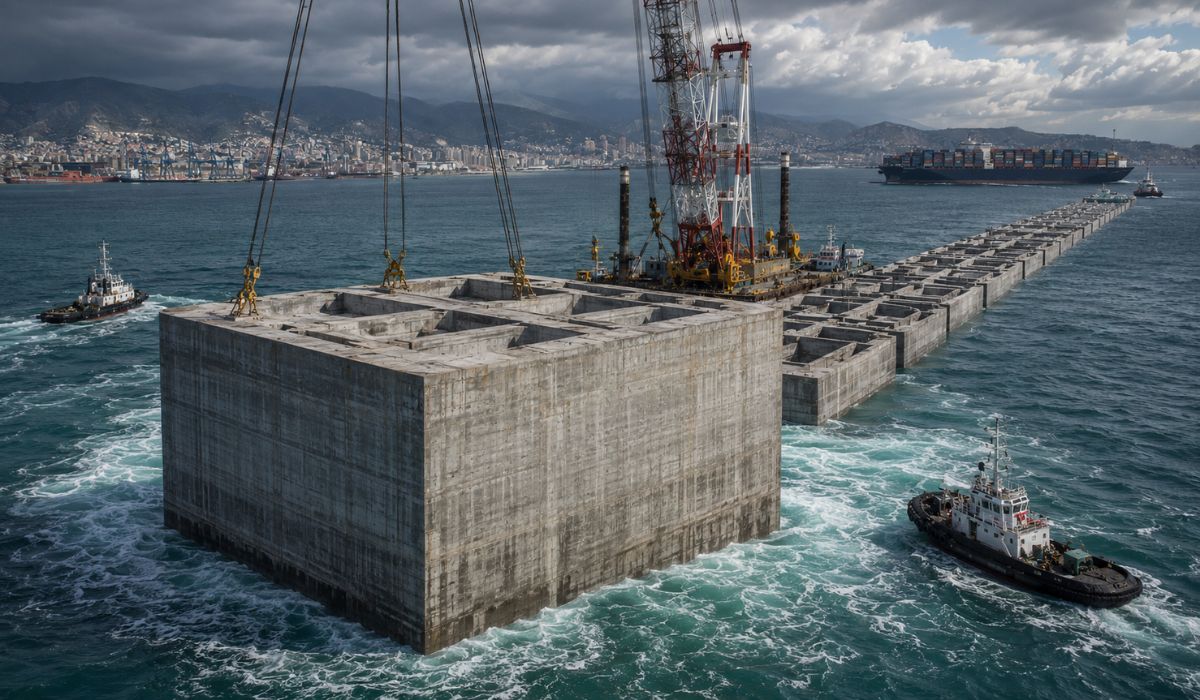
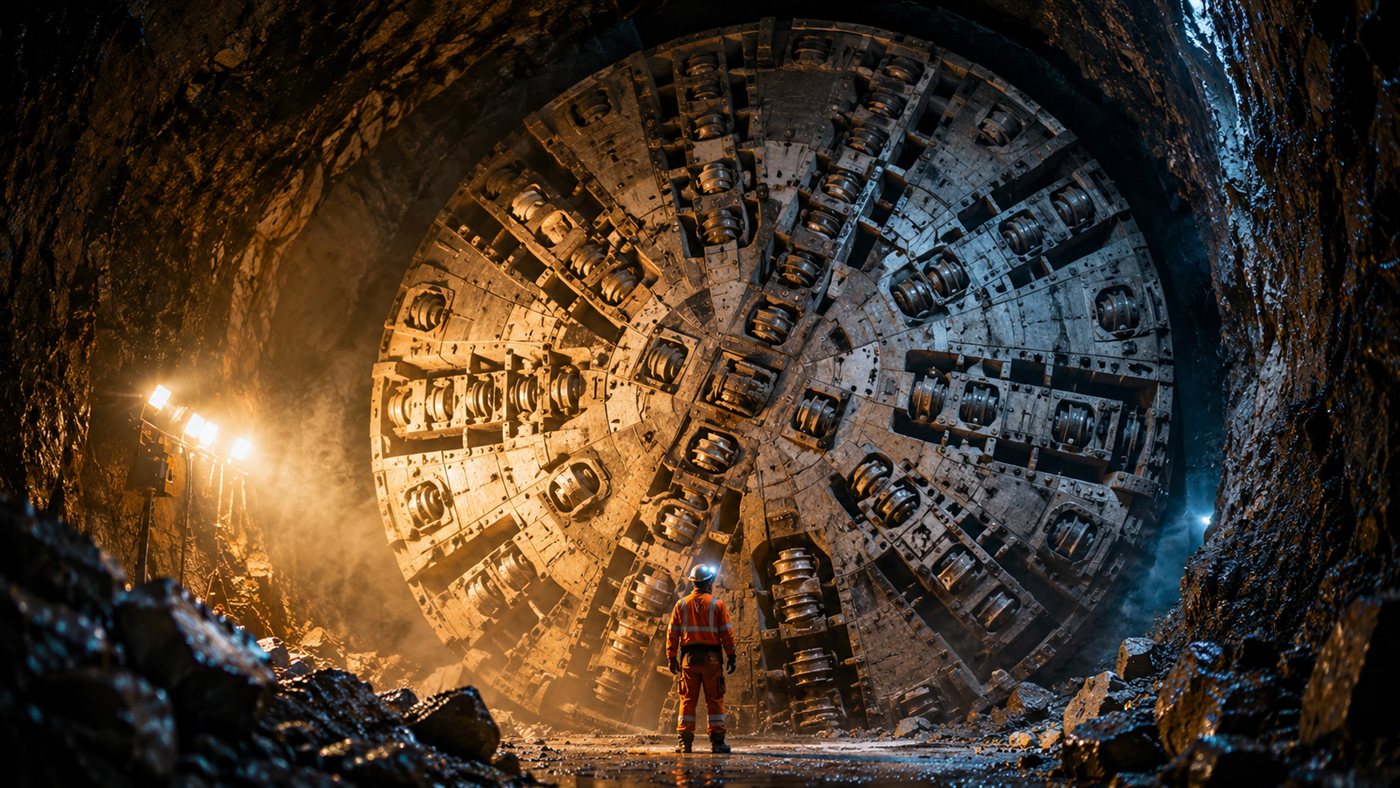
Workers excavate one of the world’s longest railway tunnels beneath the Alps between France and Italy, stretching nearly 60 km, 600 meters deep, with an investment of 11 billion euros.

-
Japanese Company Constructs 100m² 3D-Printed House Using Earth Instead of Concrete, Generating Its Own Energy and Reducing Costs and Emissions

-
In Southern Brazil, a couple builds a Russian-style stove with 430 bricks that heats their 90 m² home all night using just 15 kg of wood.
-
U.S. Farmer Tackles $4 Million Water Issue by Installing Hundreds of Miles of Drainage Pipes to Protect Farm Profits



The title, however, did not hold the structure. Less than a decade after the victory, the club is not competing in national competitions and the former home has become real estate, in a storyline that illustrates the financial fragility of football outside major centers: without a calendar, there are no ticket sales, without ticket sales there is no revenue, and without revenue the assets go to the negotiation table.
No games since 2010: the slow agony of Fazendinha
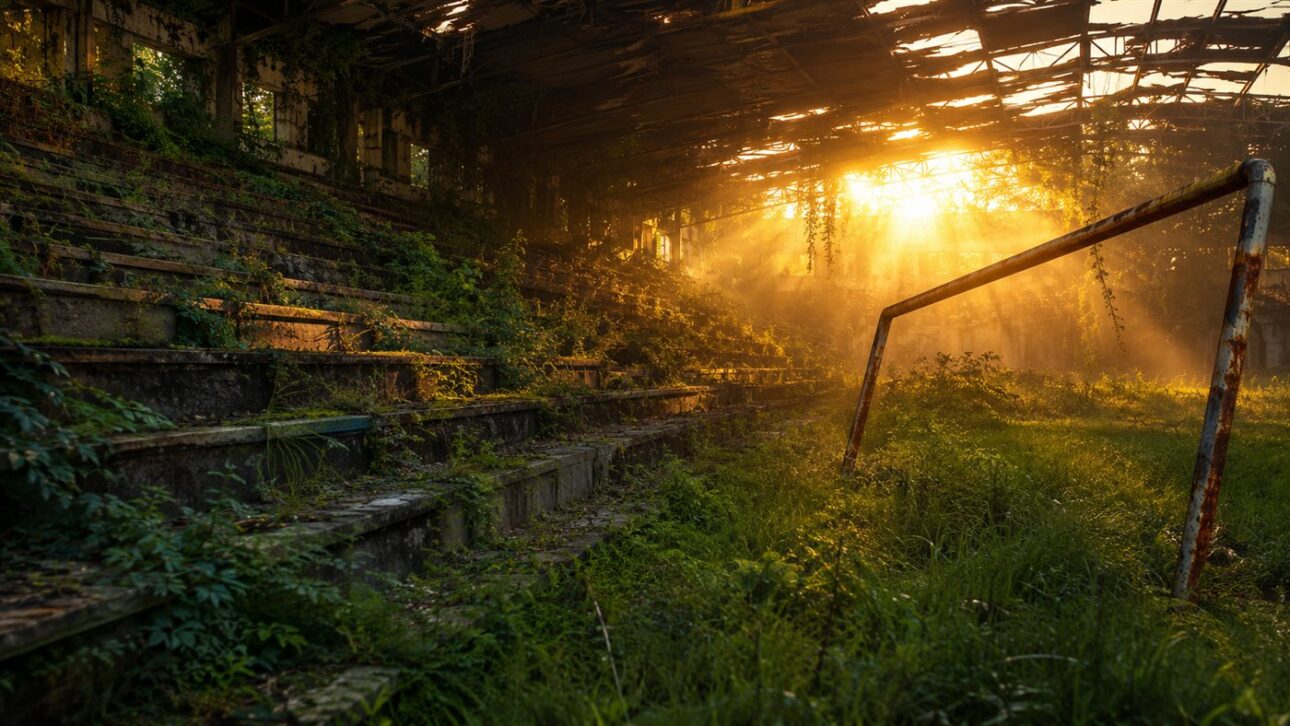
Fazendinha didn’t die with the excavators, it died of silence. According to NSC Total, the last season with official games at Fazendinha Stadium was 2010, when the team played in the Campeonato Mineiro and the national third division. After that, 15 years of closed gates.
A stadium sitting idle is money sitting idle with costs ongoing. Maintenance, security, taxes, and degradation erode a giant property that doesn’t generate revenue, and each year of inactivity brought closer the decision the city saw materialize: turning the field into capital. The demolition, recorded by NSC Total, took place at the end of 2025.
The interval between the last game and the last wall torn down tells a slow-motion story that any countryside fan recognizes. First, the games disappear, then the maintenance vanishes, then weeds overtake the stands and the fence rusts, until the only regular visitor becomes the watchman. When the purchase proposal arrives, the property is no longer practically a stadium; it’s a large plot with stands around it, and the negotiation shifts from sports to purely real estate.
What arises in its place: retail and distribution center
The future of the address is already outlined. According to NSC Total, in a previous article on the case, the land will host a supermarket with an associated distribution center, along with support structures like a fuel station, forming a retail and logistics hub.
The scale of the project is regional, not just municipal. A distribution center supplies stores throughout the region, transforming the city into a logistical hub of Minas Gerais retail, as NSC Total highlights by citing regional supply among the expected benefits of the venture.
More than 250 jobs: the economic equation of the swap
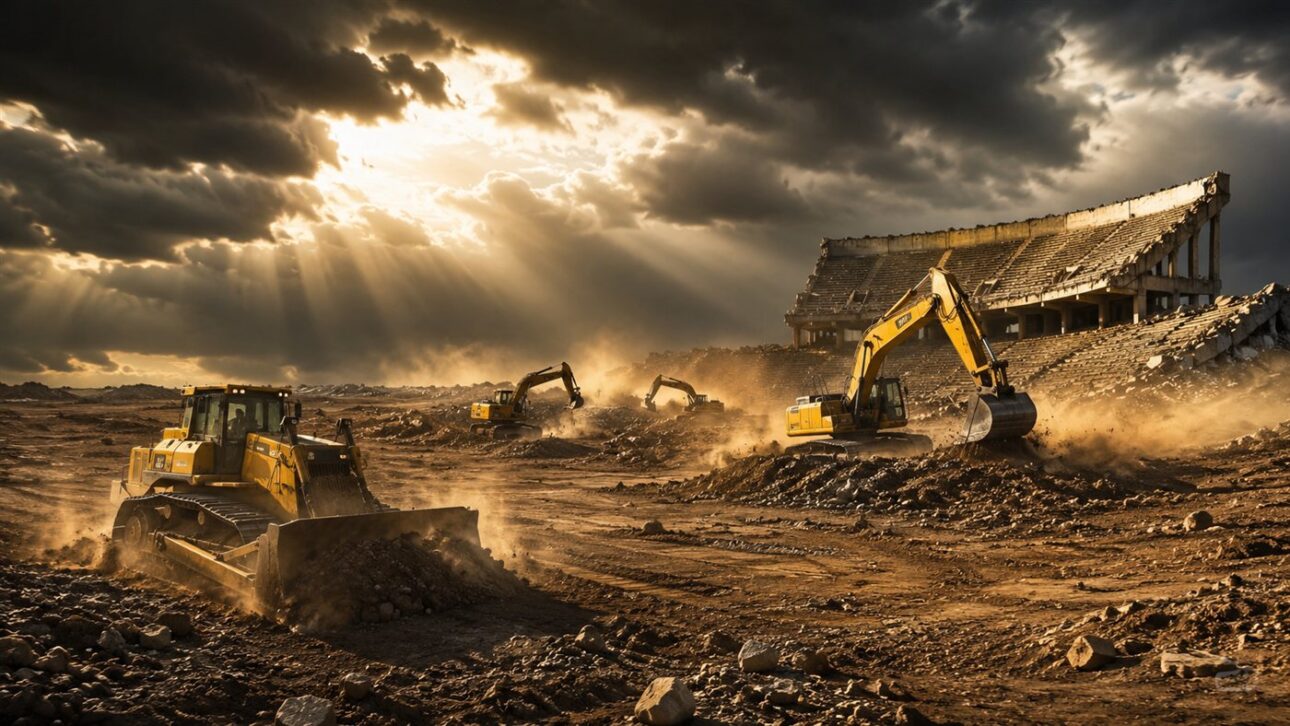
The argument supporting the transformation lies in the numbers. According to NSC Total, the venture is expected to generate more than 250 direct jobs, in addition to tax revenue for the municipality, in a package that local coverage describes as a leap towards development.
The comparison with the recent past is inevitable. A stadium closed for 15 years generated zero jobs and zero revenue; the construction site replacing it promises hundreds of jobs and constant activity, and this arithmetic usually wins the debate in medium-sized cities. The fan’s heart votes for history; the municipal budget votes for the paycheck.
The mystery of the unannounced buyer
A curious detail accompanies the case: the deal was closed without a formal announcement of the buyer. According to NSC Total, the club did not officially disclose to which company it sold the land, referred to in the coverage as a major national retailer, and the transaction value was also not made public.
The sale took place in 2024, according to NSC Total, and the discretion about figures and brands did not hinder the physical schedule: demolition completed at the end of 2025 and machines preparing the ground in 2026, a sign that, behind the scenes, contracts and licenses were moving faster than the announcements.
Why clubs sell their stadiums
The case of Ituiutaba is not an isolated jabuticaba. Across Brazil, medium-sized clubs accumulate labor and tax debts while their stadiums age empty, and the land, often in a valued urban area, becomes the last major asset available to settle liabilities or finance survival.
The patrimonial logic even has a defensible side: better a club alive without a stadium than a standing stadium burying the club, and rented or shared arenas solve the game day for those who play few matches a year. The risk is the irreversible effect: a demolished field cannot be replanted, and the decision of a board ends an emotional heritage that took generations to build.
There is also a mirror in the opposite direction that makes the case even more symbolic. While large clubs transform their stadiums into multipurpose arenas, with shows, corporate events, and naming rights paying the bills, clubs in medium-sized cities rarely have the demand to sustain this model. The same property that is a revenue machine in a capital becomes a liability in the interior, and it is this asymmetry, more than isolated mismanagement, that explains why the grounds of so many historic stadiums in deep Brazil are trading goalposts for gondolas.
For the municipal public power, the episode leaves a homework assignment: foresee, in urban planning instruments, what can be born in large sports grounds before the sale happens. Cities that discuss the fate of these spaces in advance can negotiate counterparts, such as public leisure areas or community facilities within new developments, instead of just watching the change of use behind the fence.
What Ituiutaba gains and what it loses
In material terms, the city trades a dead property for jobs, taxes, and supply, a trade that most medium-sized municipalities would accept. In symbolic terms, it loses the address where local football lived its glorious afternoons and the physical stage of a Brazilian champion’s memory, the type of loss that doesn’t appear on any spreadsheet, but that older residents feel every time they pass by the corner and find a fence where there used to be a ticket booth.
The lesson that surpasses the Triângulo Mineiro remains: sports heritage only survives as long as it generates use, and a club that abandons its own calendar slowly signs the demolition of its own home. The Fazendinha Stadium now lives only in photos and memories, and the final whistle was blown by an excavator.
Tell us in the comments: in your city, is there an idle stadium facing the same risk?