





 Portuguese
  English
  Spanish
  2 min of reading


CNI Highlights Proposals for Advancing the Global Climate Agenda in Dubai.
Among the most significant events in the world regarding environmental issues, the Conference of the Parties on Climate Change (COP28) is a meeting that captures everyone’s attention. From November 30 to December 12, in Dubai, the National Confederation of Industry (CNI) highlights crucial proposals for Brazil in the discussions.
National Implementation Strategies
The document titled “Industry Vision for COP28” outlines proposals that reflect the Brazilian industrial perspective on the evolution of the climate agenda. Among them, the Nationally Determined Contributions (NDC) hold a prominent position. Originating from the Paris Agreement, the NDC is each nation’s response to the question: “What will you do to reduce carbon emissions and limit global warming to 1.5 ºC?”.
At COP-28, one of the focuses will be the Global Stocktake (GST), a mechanism that assesses collective progress regarding the commitments made under the Paris Agreement. For CNI, it is essential that Brazil transparently communicates the actions and policies it will adopt to achieve the NDC targets.
-
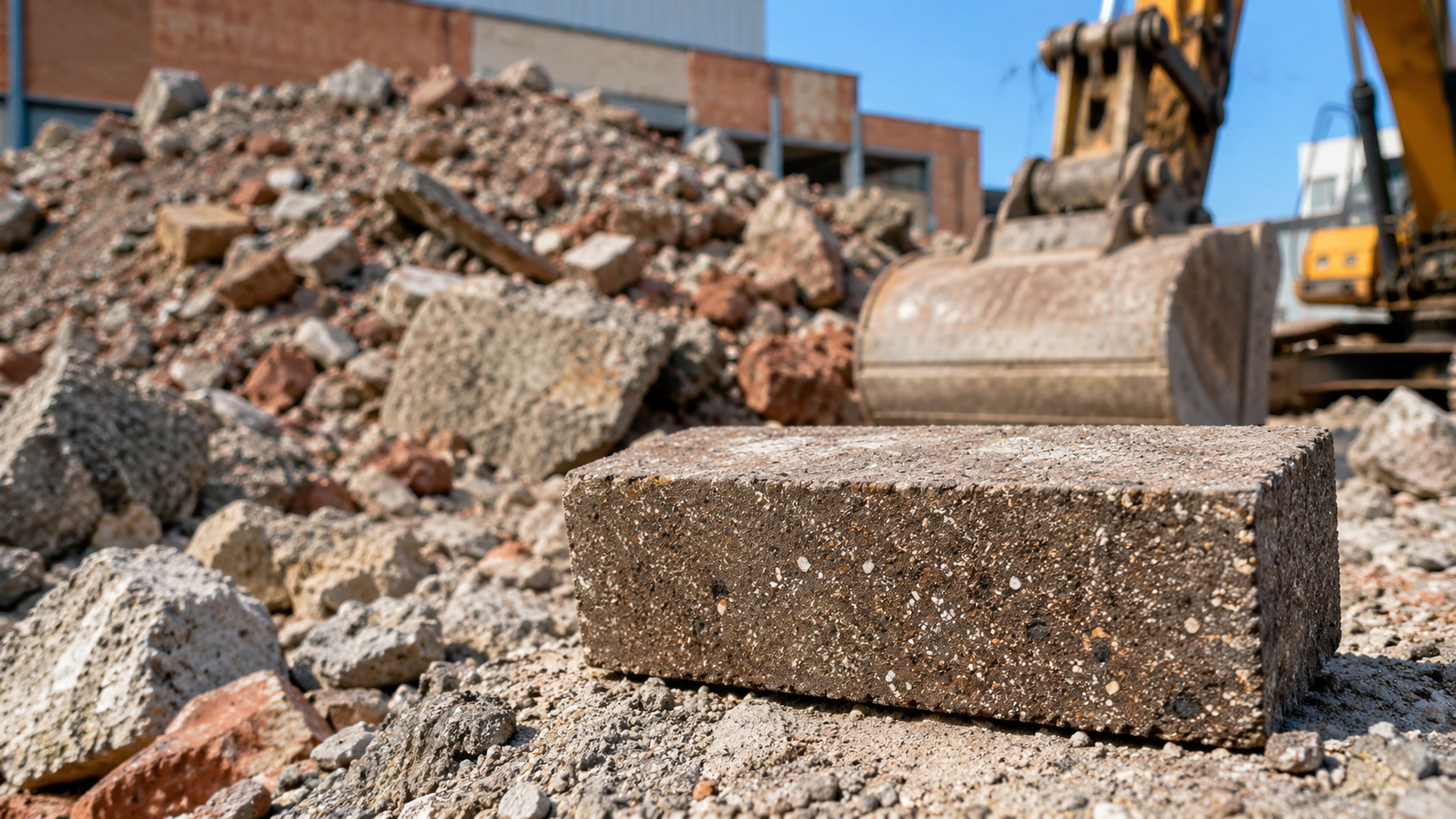
Scotland creates a brick made with over 95% recycled debris, eliminates kiln firing, and attempts to reinvent a piece used in construction for almost a thousand years.

-
In Taipei, 1.5 million recycled plastic bottles were saved from becoming waste, turned into building blocks, and formed a nine-story pavilion for an international exhibition.
-
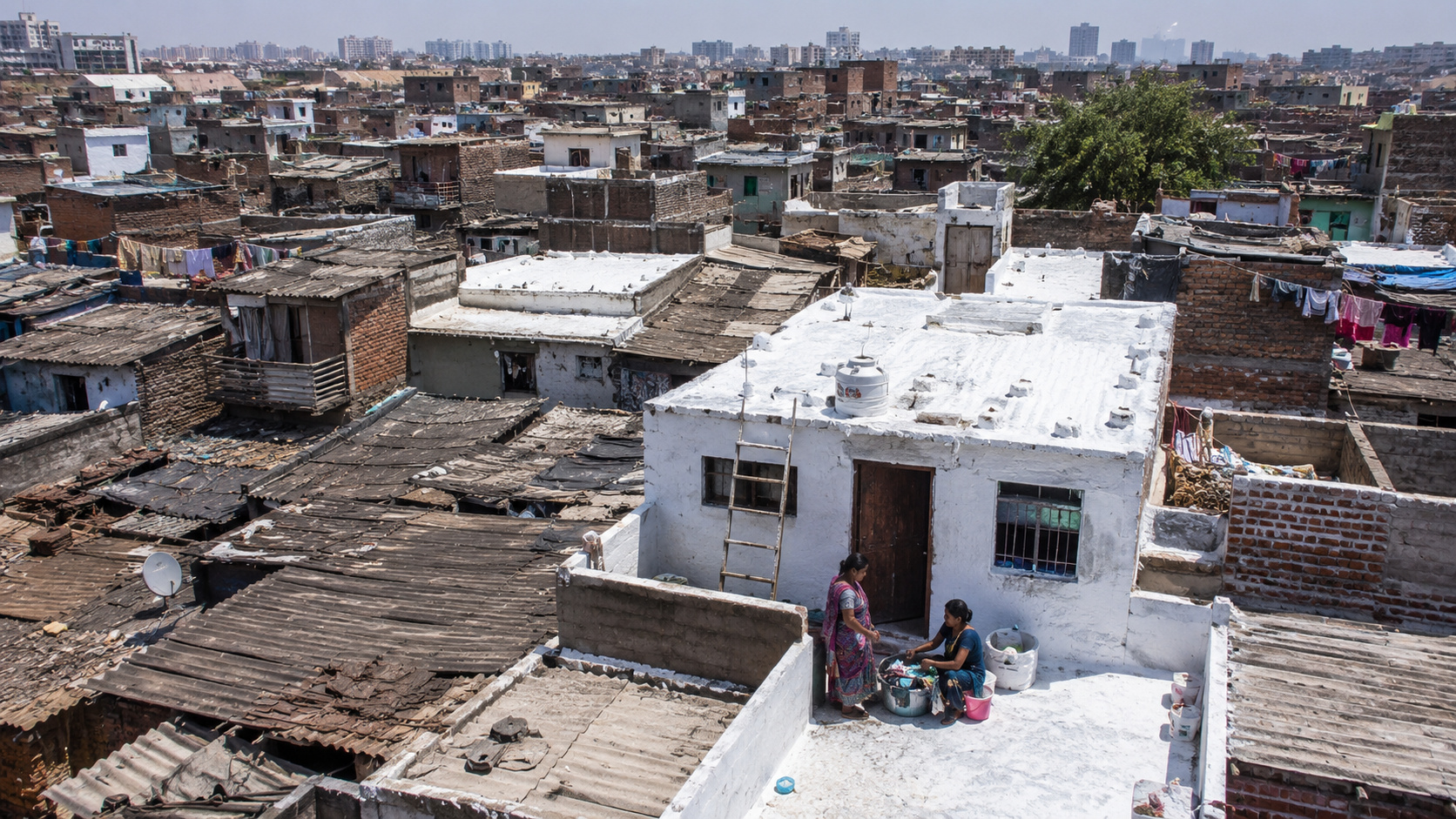
Slums in India painted roofs white to cope with 46°C heat, cool down stuffy homes, improve sleep, reduce energy consumption, and even ease the burden on refrigerators.
-
From 30 cooperators to an agro-industry that brings together 390 families, from the agrarian reform in Paraíba, embarking on a historic leap, the first goat milk powder industry from family farming in the Northeast, a R$ 3.75 million project to tackle the drought in the Semi-Arid region.



Challenges of the Carbon Market
The carbon market is another sphere of intense debates. While previous COPs have made progress on some rules, COP28 faces discussions on points such as Article 6.2. It addresses the possibility of one country transferring results of greenhouse gas (GHG) emission reductions to another. The CNI emphasizes that Brazil should keep a close eye on the creation of a national carbon market.
Still in the carbon market, Article 6.4 will be crucial for industry, as it opens the door for investments in GHG reduction projects and the generation of credits to be used in the global carbon market.
The industry is also awaiting a fair transition from the Clean Development Mechanism (CDM) projects to the new Sustainable Development Mechanism (SDM). The CDM has already brought in about US$ 32 billion in investments for Brazil in the last 15 years, with a significant reduction in GHG emissions.
Financing and Climate Adaptation Actions
Expectations are high regarding the commitment of developed countries to provide US$ 100 billion annually for developing nations. However, questions remain: will countries comply? And what will happen to the pending amounts from previous years?
Furthermore, CNI advocates for an equitable approach to mitigation and adaptation agendas. Brazil, with its climatic particularities, needs to be prepared and have clear strategies to face environmental challenges. CNI suggests creating a National Adaptation Strategy as a tool to guide the country’s actions and identify climate financing needs.
In summary, COP28 is a unique opportunity for Brazil to solidify its commitment to climate action, with CNI playing a vital role in bringing the industrial perspective to the negotiation table.
Source: Journalism – CNI







Be the first to react!