Portuguese
  Spanish


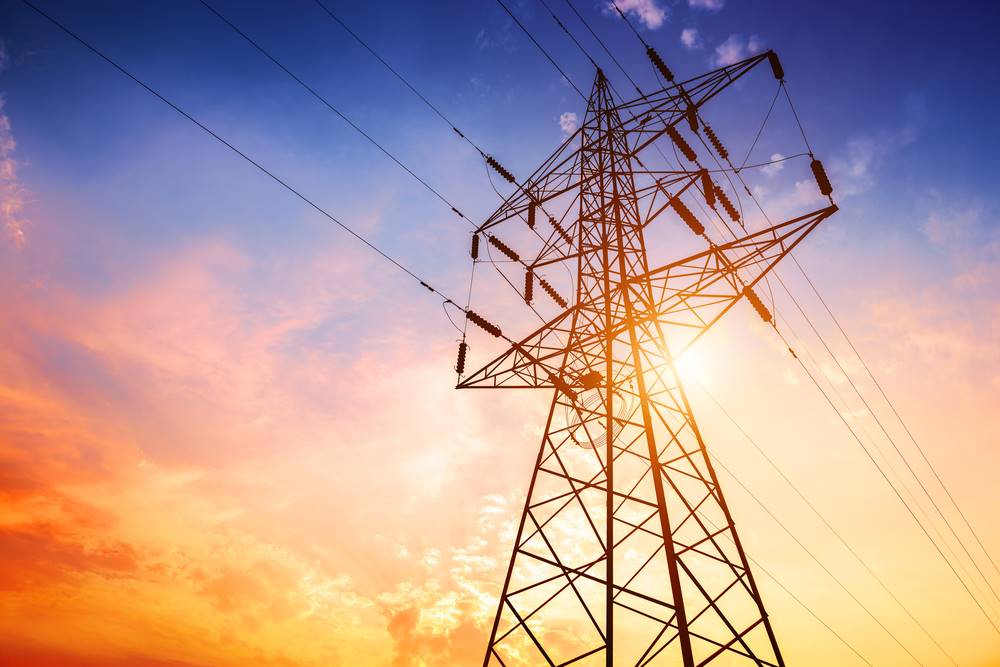

BloombergNEF (BNEF) Shows That Investments Need to Increase to Meet New Demand and Replace Electric Power Infrastructure
BloombergNEF (BNEF) released a report showing that by 2050, the world needs to invest at least US$ 14 trillion in electric power grids to support the evolving energy system. According to research experts, as grids become smaller and closer to demand, new distribution networks become increasingly important.
Also Check Other News:
BNEF experts say that “In 2020, around US$ 235 billion was invested in the electric grid, and that needs to increase to US$ 636 billion by 2050 to support more energy generation capacity, meet new demand, and replace existing infrastructure.”
“The growth of wind and solar in our economic transition scenario causes the average size of power plants worldwide to fall six-fold by 2050 to 158 MW. This results in more plants connecting directly to the grid – accounting for, by mid-century, 63% of annual investment, up from 52% in 2020,” the study states.
-
Engie Secures 10-Year Use of 625 MWh in Batteries to Store Excess Solar and Wind Energy in Spain by 2028

-
Giant Batteries Take Center Stage in Chile Auction as Company Offers 960 GWh of Solar Energy for Nighttime Use, Aiming to Stabilize Solar Power Supply
-
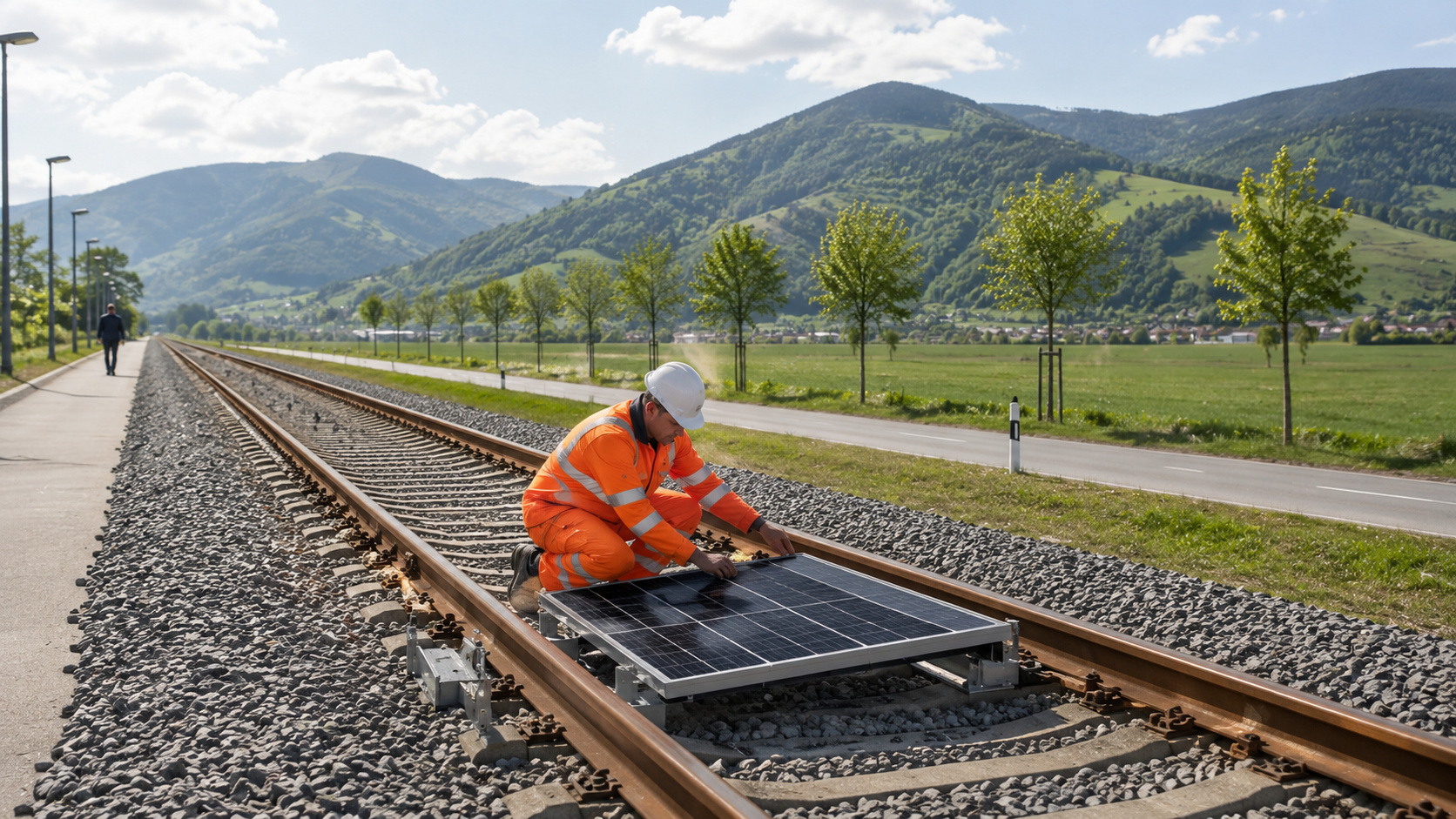
After a Year of Success in Switzerland, Solar Railway Attracts Italy’s Interest for Clean Energy Transformation
-
Robots Clean Solar Panels in Desert Power Plants Without Water, Preventing Energy Losses


Markets:
China is the largest single-grid market in the world between 2020 and 2050, despite a potential slowdown in demand growth. According to the report, “In the 30-year outlook, one-fifth of global investment or US$ 2.9 trillion occurs in China. Ultra-high voltage transmission systems continue to dominate, enabling the integration of remote, high-quality renewable energies.
Due to the relatively slow uptake of renewable energy use, investment in grids in the United States, currently the second largest market, lags behind Europe. The research concludes by stating that “Annual funding more than doubles and exceeds US$ 100 billion by 2043. The country’s new president, however, could trigger more ambitious investments in the grid based on recent carbon-free electricity goals,” mentioning that the U.S. could see better metrics under the presidency of Joe Biden.