Portuguese
  Spanish




Accelerated Growth Opens Space for New Markets and Places the Country at the Center of the Global Energy Transition
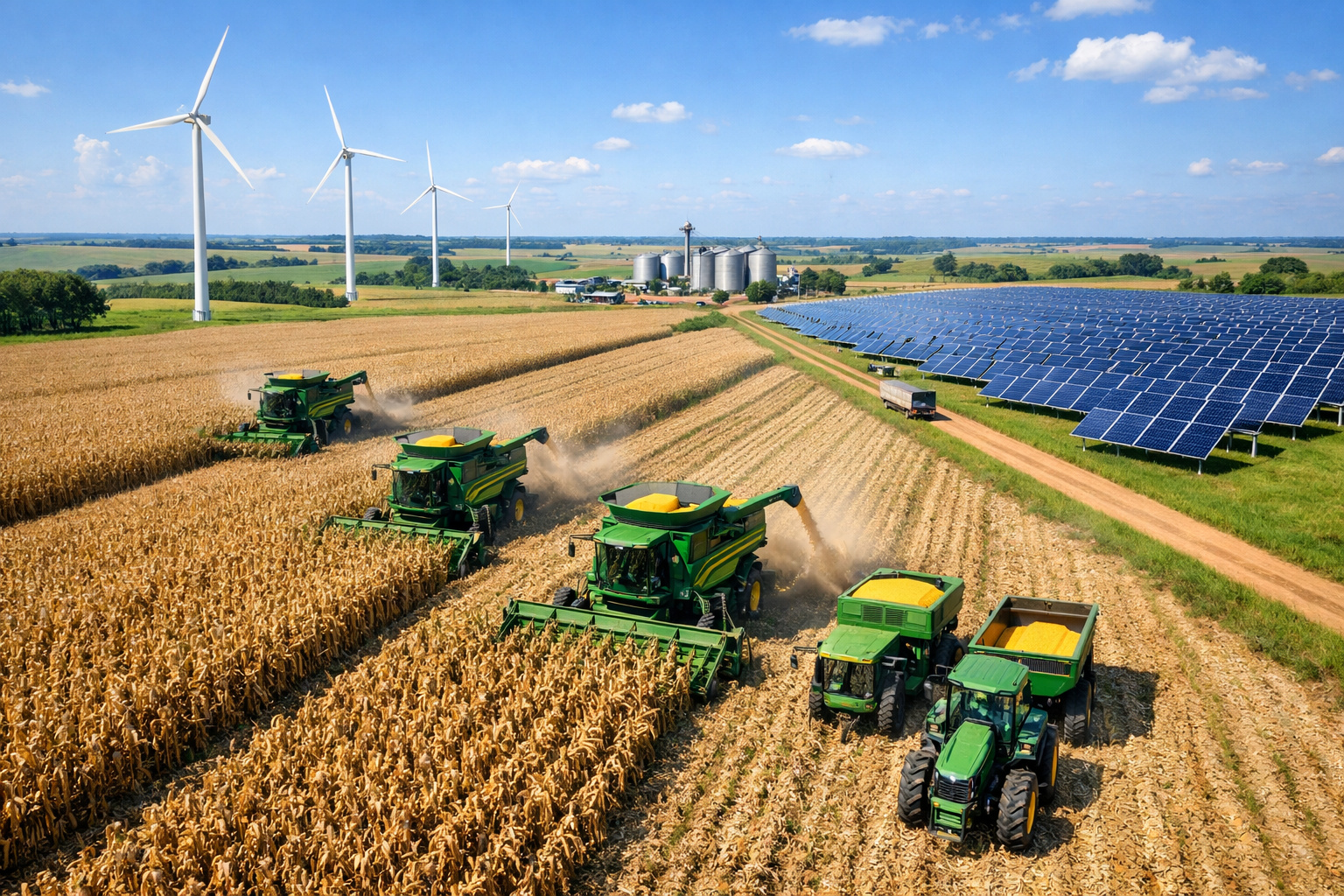
Brazil may be on the brink of a historic turning point in the biofuels sector. While the world seeks alternatives to reduce carbon emissions, corn ethanol is emerging as one of the protagonists of the new green economy. And, according to industry experts, the country has the technical, productive, and strategic conditions to assume a position of global leadership.
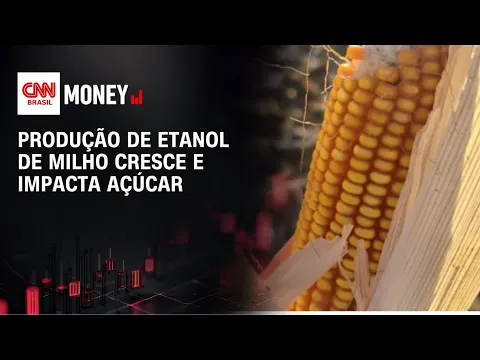
This information was disclosed by CNN Brazil, in an interview on the CNN Agro News program, with statements from Inpasa’s marketing and communications director, Renato Teixeira. According to him, Brazil is experiencing “a great moment for the sector” and could become a leader in corn ethanol production on the international stage.
According to estimates from the National Union of Corn Ethanol (Unem), Brazil is expected to conclude the current harvest with 10 billion liters produced, a volume that already represents one third of the entire national ethanol market. Currently, only the United States produces more.
-
Ceará brings together 7 giants and R$ 66 billion to transform Pecém into the largest green hydrogen hub in Brazil, with final decisions expected by the end of 2026.

-
H2A to Invest $570 Million in 22 Biomethane Plants in Brazil, Converting Agricultural Waste into 700 Tons of Renewable Fuel Daily

-
Brazil to Introduce B16 Diesel with Increased Soybean Oil Content for Trucks by 2026
-
Brazil Advances with JetBio’s Megaproject to Build the World’s Largest Ethanol-Based Sustainable Aviation Fuel Plant, Aiming to Become a Global Exporter
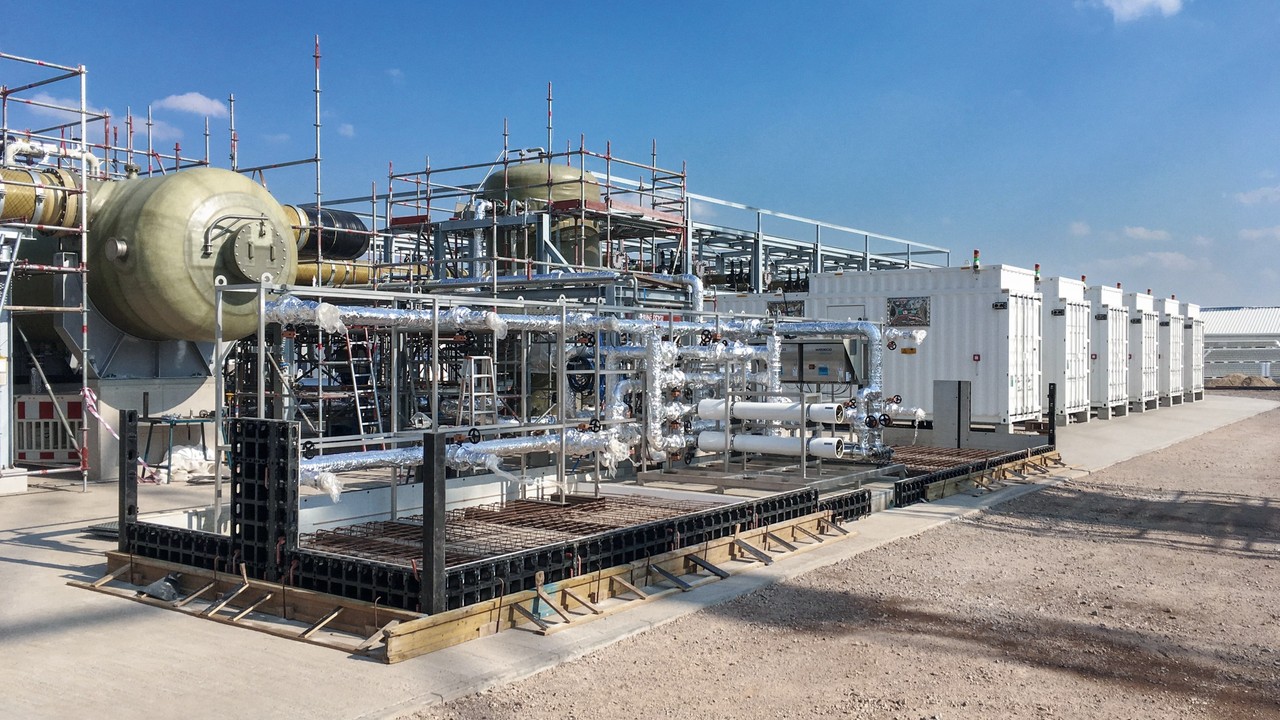


Moreover, growth shows no signs of slowing down. On the contrary, the technology already consolidated for over 50 years in light vehicle use allows for rapid and safe expansion. Therefore, unlike other energy solutions still in the experimental phase, corn ethanol already has established infrastructure and market.
Global Decarbonization Drives Demand and Strengthens the Maritime Sector
The advancement of production is not only catering to the domestic market. On the contrary, it creates strategic opportunities in new fronts, especially in the maritime transport sector. According to Renato Teixeira, the growth of this modality expands the opening of new markets and is expected to gain momentum “in the near future.”
This happens because corn ethanol is considered a highly sustainable product. It directly contributes to the reduction of emissions and aligns with global decarbonization goals. In this context, countries and companies seeking fuels with a lower environmental impact are beginning to view Brazil as a strategic supplier.
Additionally, production occurs largely during the soybean off-season. That is, the corn meant for ethanol does not compete directly with other crops but complements Brazil’s agricultural cycle. Thus, the activity generates additional income for the rural producer and enhances the efficiency of land use.
Consequently, Brazil increases its international competitiveness. With a growing volume and consolidated technology, the country can supply part of the global demand for biofuels, especially in segments that face challenges in achieving complete electrification, such as maritime transport.
Billion-Dollar Investments Consolidate Industrial Leadership

The optimism in the sector is not just talk. It translates into robust investments. Inpasa, a company established in 2019, has already invested R$ 15 billion in its operations. Moreover, it plans to invest another R$ 7 billion this year alone, totaling R$ 22 billion in investments.
Currently, the company positions itself as the second largest ethanol producer in the world, reinforcing the global dimension of the business. According to Teixeira, “corn ethanol is here to stay,” and Brazil has a central role in this energy transformation.
This movement occurs alongside the growing global interest in biofuels. Governments, investors, and companies are searching for solutions to reduce emissions without compromising energy security. In this scenario, corn ethanol emerges as a viable, scalable, and economically competitive alternative.
Therefore, the advancement of national production represents not only economic growth. It signals Brazil’s strategic repositioning in the geopolitics of energy. After all, those who dominate sustainable energy production tend to play a prominent role in international trade in the coming decades.
If it maintains its current pace, the country may not only meet domestic market demands but also become a major exporter of renewable fuel. Thus, corn ethanol ceases to be just an agricultural alternative and begins to integrate the global energy transition agenda.
Do you believe that corn ethanol can place Brazil at the center of the global energy transition in the coming years?