






 Portuguese
  Spanish
  2 min of reading
  0 comments


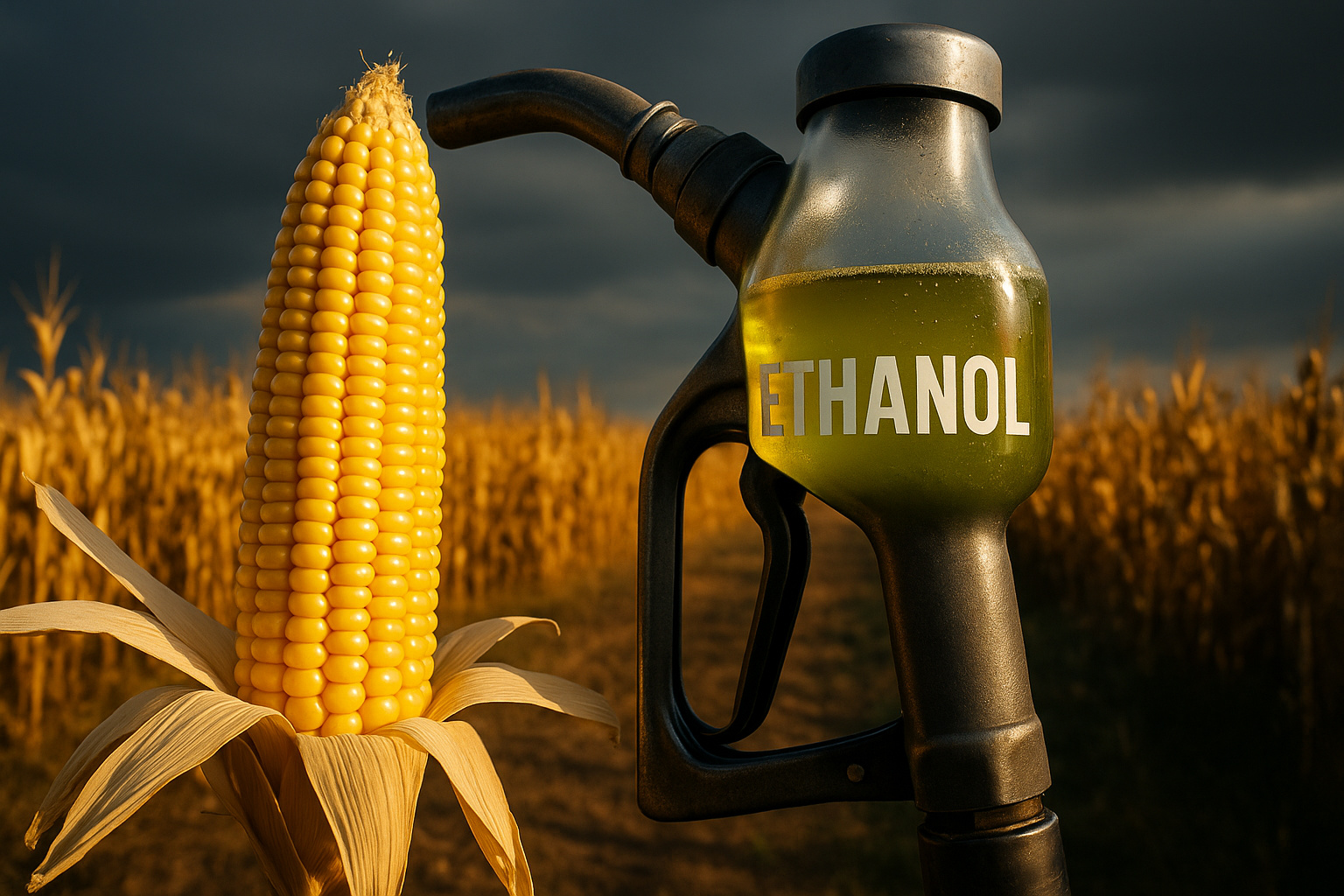
Corn Ethanol Production Should Equal Sugarcane by 2035 and Transform Agriculture in Brazil, According to Datagro.
Production Soars with New Plants and Investments in the Midwest
Currently, Brazil has 25 plants in operation, 18 under construction, and 19 in planning, according to the consultancy. When all are operational, total production is expected to reach 11.14 billion liters.
The trend is for constant growth. For the 2025/26 harvest, the forecast is 10.2 billion liters, with an expectation of growth of up to 3.5 billion additional liters in 2026, if the plants operate at full capacity.
In addition, the projection for 2034 is ambitious: the total production capacity of corn ethanol could reach 24.72 billion liters, consolidating the sector as a leader in the biofuels market.
Sugarcane Loses Ground and Sees Corn’s Advancement in the Energy Sector
On the other hand, sugarcane ethanol faces a stagnation scenario. Datagro estimates 25.99 billion liters for the 2025/26 harvest, but without prospects for expansion in the coming years.
While corn is growing with new plants and cutting-edge technology, sugarcane has no plans for capacity increase, which opens the door for corn’s dominance.
-
Low-Demand Brazilian Beef Offal Gains Popularity Abroad: Indonesia Purchases $19.5 Million, Boosting Revenue and Reducing Waste

-
Soy Expansion in Former Brazilian Savanna Sparks Water and Land Conflicts in Major Agricultural Frontier
-
Mexican Pest Threatens U.S. Cattle Herds at Historic Lows, Potentially Boosting Brazilian Beef Exports as Burger Prices Soar

-
Avocado Boom for European and U.S. Markets Fuels Water Crisis in Drought-Stricken Chilean Region





This movement represents a historic turnaround. In less than ten years, half of Brazilian ethanol will be produced from corn, marking a profound change in the country’s energy and agricultural matrix.
Brazil Could Become a World Leader in Corn Ethanol Production
The Midwest, led by states like Mato Grosso and Goiás, will be the main driver of this transformation. The entry of new industrial plants is expected to reduce the ethanol supply deficit in the Northeast by 2030, according to Datagro.
However, this advance could lead to surplus in the South-Central region, putting pressure on prices and prompting the search for new export markets. Thus, Brazil may not only meet internal demand but also expand its global presence in the biofuels sector.
Future of Agriculture: Corn Gains Strength and Promises an Energy Revolution
The rise of corn ethanol showcases the strength of the Brazilian agribusiness in the global energy transition. With increasing production, technological investments, and regional expansion, the country is heading towards a new cycle of prosperity.
If projections hold true, Brazil will establish itself as a global powerhouse in sustainable energy production. The advancement of corn, therefore, not only balances the internal market but also redefines the country’s role in the international energy landscape.





Be the first to react!