






 Portuguese
  Spanish


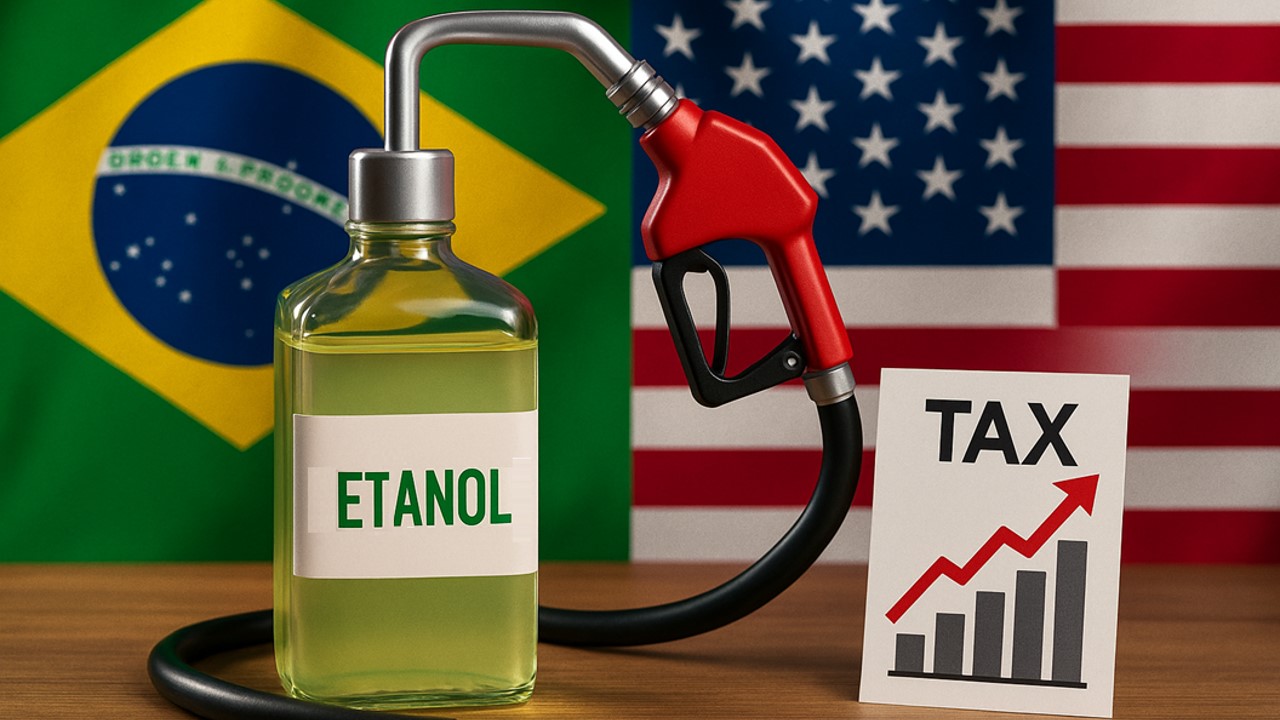


American Pressure And Brazilian Retaliation Sound The Alarm In The Sugar And Ethanol Chains. Extra Tariff Could Cost Millions To The Country’s Mills.
The Trade Scenario Between Brazil And The United States Has Become More Tense. The recent decision by the U.S. government to impose a ‘super tariff’ of 50% on Brazilian imports has put the sugar and ethanol sector on high alert. Meanwhile, on the Brazilian side, the 18% charge on American ethanol remains firm — and, according to authorities, with no chance of being reviewed for now.
This new stage in the trade relationship between the two countries exposes a tough game of interests. On the one hand, Brazil protects its domestic ethanol production, especially in the Northeast, where production costs are higher and competitiveness lower. On the other hand, the U.S. complains about the “disadvantage” in the trade balance and pushes for greater opening of the Brazilian market.
50% American Tariff: The Direct Impact On Brazilian Mills
The Costs Are Heavy. With the new tariff announced by former President Donald Trump, the additional cost for Brazilian mills could exceed US$ 100 million. Just in ethanol, losses could reach nearly US$ 91 million — and this directly affects mills in the North and Northeast regions, which benefit from incentive laws for local economies.
-
Northern Brazilian ports surpass the South as the country’s largest grain corridor amid record harvest

-
Amazon launches its own brand in Brazil a week before Prime Day, following a $3.7 billion investment and the establishment of over 300 distribution centers nationwide by 2025.

-
Trump’s 50% Tariff on Brazilian Goods Cuts U.S. Exports by 30%, Brazil Sets Records in 42 Countries and Germany Becomes Top Coffee Buyer
-
Brazil Harvests Record 358 Million Tons of Grain but Lacks Storage for 134 Million Tons


And it doesn’t stop there. Sugar will also be affected. Beyond the numbers, what is at stake is Brazil’s ability to maintain a relevant presence in the American market — even with higher costs.
Lula Government Maintains Firm Position? Will The Tariff On American Ethanol Change?
While sectors related to steelmaking suggest relaxing the Brazilian tariff on ethanol in exchange for advantages for exported steel, the Ministry of Industry and Trade assures that this is not on the table.
“Reducing the rate now makes no sense. The priority is to protect the national industry and its jobs,” stated Márcio Elias Rosa, executive secretary of the ministry led by Geraldo Alckmin.
The position is supported by other government members, such as the Minister of Mines and Energy, Alexandre Silveira, who emphasizes the importance of the tariff as a way to preserve the ethanol chain in the country, especially in the more vulnerable regions.
Is Brazilian Ethanol Still Unsubstitutable For The U.S.?
Even With High Tariffs, Brazilian Sugarcane Ethanol Remains A Strategic Product For The American Market. It has unique characteristics, such as low carbon emissions, and represents over 70% of what the United States imports in the sector.
This means that, even with barriers, Americans will still largely depend on Brazilian biofuel — which could open up space for more balanced future negotiations.
However, as long as the political climate remains tense and decisions are made more for electoral interests than for commercial pragmatism.
In the end, consumers may still feel it in their pockets. With less room to export and higher costs to import, the price of ethanol and gasoline may fluctuate. And once again, geopolitics shows that it has everything to do with what comes in — and what goes out — of the fuel pump.


Engraçado porque os Usineiros brasileiros não reclamaram dos 18% que o governo brasileiro taxa o etanol dos EUA que chegam ao Brasil há décadas e os EUA sempre taxaram o etanol do brasil em 3,5% ou 2,5% até hoje ? Mandamos muito etanol para os EUA, e importamos pouco etanol de milho dos EUA com taxas de 18%. Mas nós importamos muitas coisas ligadas a tecnologia para TUDO que consumimos. Carros, aviões, maquinas, equipamentos, para industria, comércio, pequenas e grandes, exportamos manufaturas e importamos o produto já pronto, e isso é o que o atual governo ainda quer para o país. desde o agro a ****, terras raras, etc. Não se planeja um pais para o crescimento indutrial, tecnologico. Universidades são essencialmente de humanas e não de exatas, publicas ideologizadas, privadas carissimas, diminui o subsidio, cursos técnicos no lugar de Graduados, pós, mestres, doutores, cientistas, inventores, startups após formação, isso impulsiona um país. E esta sendo abandonado, bloqueado para que não possamos ter crescimento real no futuro. Este país precisa parar de ser explorado por outros e levar nossas riquezas embora, invadido por migrantes, corrompido por criminalidade, facções terroristas, corruptos no judiciaroo, executivo e legislativo. Há urgencia em mudança agora, senao seremos sugados pela catastrofe em curto e medio prazo.
Faça negócio, não faça a guerra. Essas sanções americanas não fazem nenhum sentido.