Portuguese
  Spanish


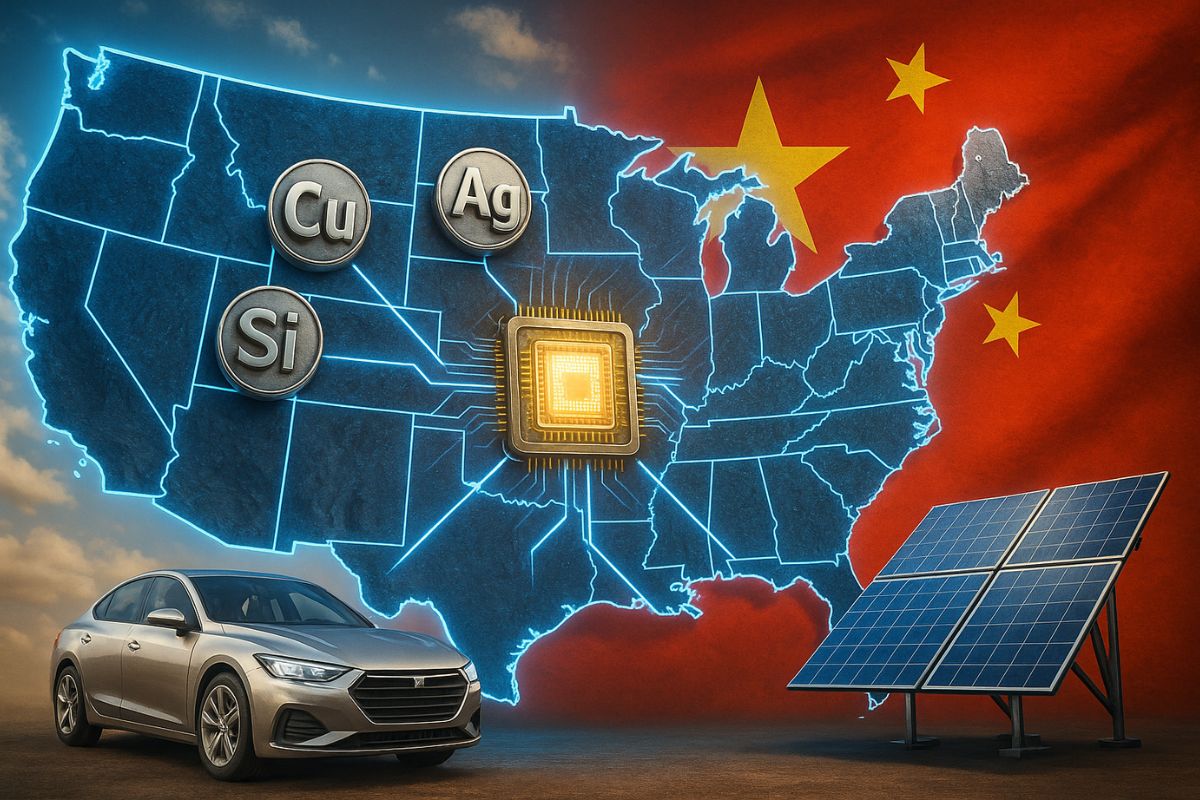


USA Expands List of Critical Minerals in 2025 to Reduce Dependence on China and Ensure Supply of Chips, Electric Cars, and Solar Panels
The U.S. government announced that critical minerals from the USA will have an expanded list in 2025. The document, developed by the U.S. Geological Survey (USGS) and released by the Department of the Interior, will now include 51 mineral commodities, such as copper, lead, potassium, silicon, and silver. The goal is clear: reduce dependence on China and ensure the supply of strategic inputs for chips, electric cars, and clean energy.
The measure was published in an official draft that already guides investment policies, licensing, and even tax incentives for companies operating in the extraction or recycling of these resources within the USA. For experts, the update of the list shows that Washington is willing to accelerate reindustrialization and strengthen sectors considered vital for national security.
Why Critical Minerals from the USA Have Received Attention
According to Sarah Ryker, acting director of the USGS, the selection of the new items considered the sectors most exposed to disruption risks. She cited wars, trade disputes, and bottlenecks in shipping routes as real threats that could leave the U.S. economy vulnerable.
-
Half of Brazilians Prefer Lower Taxes with Private Health and Education, While 44% Opt for Higher Taxes for State-Provided Services, Datafolha Survey Reveals

-
Brazil’s Most Expensive Toll Rises to R$ 40.60 on Route from São Paulo to the Coast, Nearly Matching Bus Fare to Santos

-
As Brazil Expands Social Welfare, Survey Reveals 40% Blame Poverty on Laziness, While 58% Cite Lack of Opportunities

-
China Tightens Control on Antimony, Driving Prices from $22,000 to Nearly $40,000 per Ton as U.S. Rushes to Bolster Strategic Reserves




In practice, this means that critical minerals from the USA now become a priority in mining, recycling, and technological innovation projects. The list serves as a guide for government decisions that may involve tax benefits to expediting environmental licenses.
The Dispute with China at the Center of the Decision
China is currently the largest producer and processor of many of these minerals, making the issue even more geopolitical. For Washington, relying on a strategic rival poses risks to entire supply chains, such as those for semiconductors, lithium batteries, electric vehicles, and solar panels.
By expanding the list, critical minerals from the USA become a symbol of the attempt to shield the national industry against global instability. Experts point out that this policy may accelerate partnerships with allied countries and increase pressure for supply source diversification.
The Direct Impact on Technology and Energy
The inclusion of new minerals means more focus on areas such as clean energy, automotive industry, and defense. Companies in these sectors will be able to access incentives to expand projects within U.S. territory. Additionally, there is an expectation that part of the production will be directed towards recovering waste, reducing exclusive dependence on traditional mining.
This effort is seen as essential to reduce bottlenecks in strategic chains, especially at a time when the race for electric batteries and semiconductors is intensifying.
The update shows that critical minerals from the USA are not just a mining issue but a broad strategy to protect the economy and national security. By aiming for less dependence on China and more productive autonomy, Washington seeks to anticipate crises that could paralyze entire sectors.
And you, do you believe that this decision actually strengthens the USA or creates new environmental and diplomatic challenges? Share your opinion in the comments — we want to hear from those closely following this dispute.