Portuguese
  Spanish


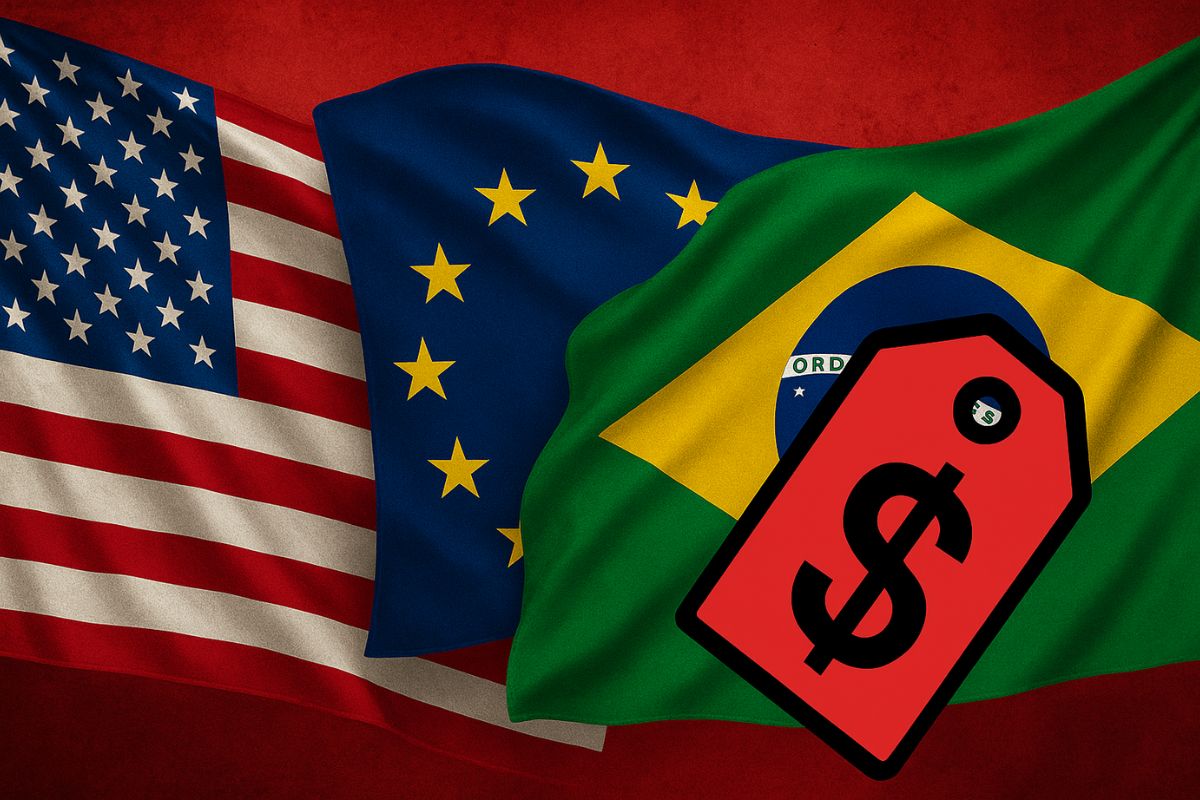


Trump Reduces Tariffs to 15% in New Deal with the EU, but Brazil Remains Excluded and Will Be Taxed at 50% Starting in August
US Announces Trade Agreement with European Union, with Tariffs of 15% following a meeting between Donald Trump and Ursula von der Leyen this Sunday (27). The decision reduces the rates that would be 30% and opens the door for investments of US$ 600 billion in North American territory.
The deal includes strategic sectors such as automobiles, semiconductors, and pharmaceuticals, while steel and aluminum will continue to have a 50% surcharge. Brazil was left out of the negotiation and will face double the tariff imposed on Europe starting August 1.
Deal Includes Automobiles, Energy, and Defense
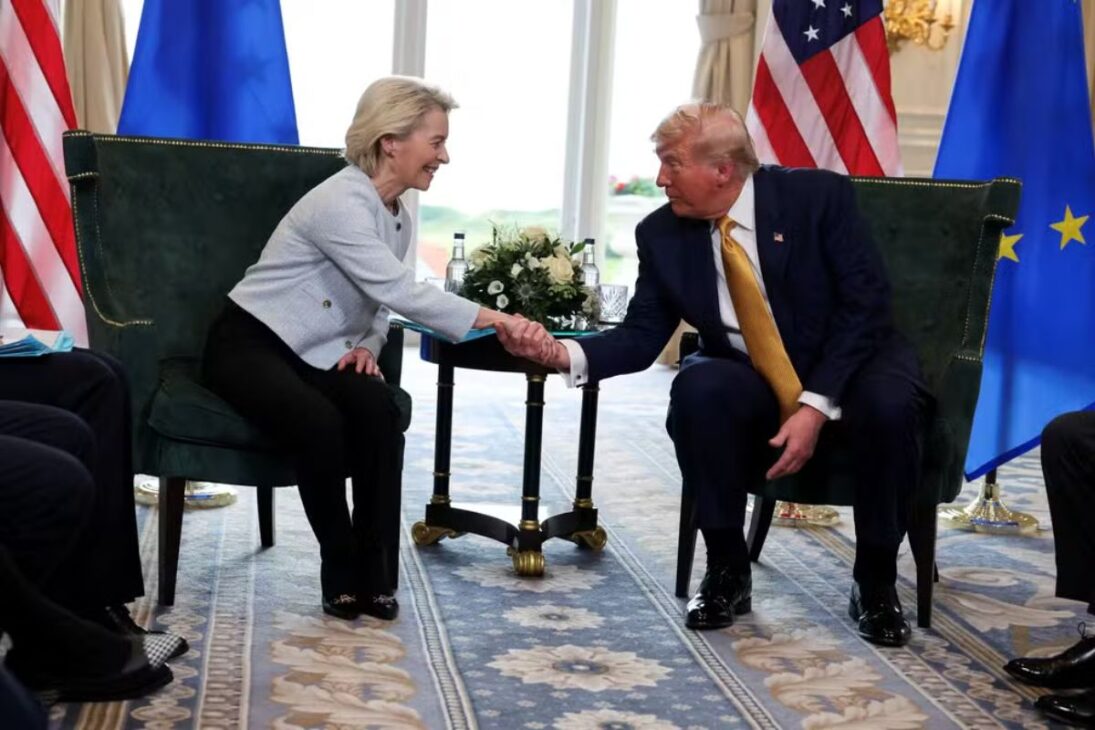
US Announces Trade Agreement with European Union, with Tariffs of 15% to Rebalance Trade between the Blocks. According to Trump, this is the “largest agreement ever made” with the European bloc. The President of the European Commission, Ursula von der Leyen, emphasized that the measure “creates certainty in uncertain times.”
-
Family Quietly Transforms Old Sawmill into $700 Million Business, Opens 25 Stores in Two Years Across 22 Brazilian States

-
Couple Sold Their Home to Save Business, Now Run Platform Handling $180 Million Monthly and Managing Over 51 Million Listings
-
Brazil’s 2026 Tax Refund: Record 9.58 Million Filers in Largest Payout Ever, But a Key Detail on Priority Recipients Draws Nationwide Attention

-
Itaú Alters Hybrid Work Model, Increasing Office Days from 2028, Prompting Employees to Adjust to New Routine



The package includes zero-tariff clauses for aircraft, generic medicines, and specific chemicals. Alcoholic beverages and some agricultural sectors were excluded. The text will still be reviewed by the 27 EU countries, which have a meeting scheduled for today.
Billion-Dollar Investment and Geopolitical Pressure
US Announces Trade Agreement with European Union, with Tariffs of 15% and a promise of US$ 600 billion investments from the EU in the United States. The initiative reinforces Trump’s strategy to attract European capital to the energy, defense, and technology sectors.
The agreement arrives amid a global landscape of trade tension. Trump has also closed deals with the United Kingdom, Japan, and Southeast Asian countries. With Japan, the model is similar: reciprocal tariffs of 15% and billion-dollar contributions to infrastructure.
Brazil Out of the Negotiation Table
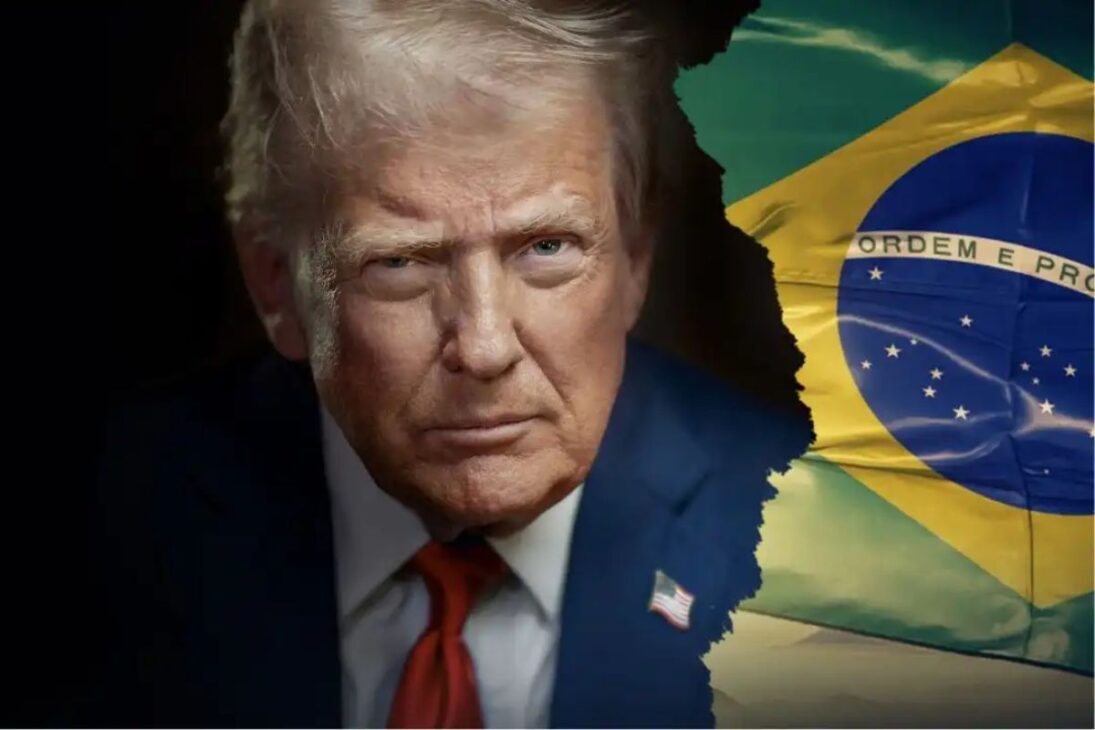
US Announces Trade Agreement with European Union, with Tariffs of 15%, but Brazil was not included. The White House confirmed that Brazilian products, such as coffee, meat, and açaí, will be taxed at 50%. President Lula criticized the exclusion and the lack of dialogue with Washington.
Experts point out that Trump’s tariff policy is centralized and geopolitical, making technical negotiations difficult. The focus appears to be on confrontation with China and controlling strategic sectors such as rare earths and semiconductors, areas where Brazil has potential but no diplomatic influence.
Tariffs Will Take Effect in August
US Announces Trade Agreement with European Union, with Tariffs of 15%, but the rest of the world will have little time to react. The US Secretary of Commerce, Howard Lutnick, stated that there will be no extension and that the tariffs will be applied starting August 1.
According to him, “Customs will start collecting immediately.” This pressures countries that did not reach an agreement, like Brazil, to adapt or lose competitiveness in the US market. With the new deal, the US is consolidating a network of trade allies and isolating economies that do not align with its foreign agenda.
Do you think Brazil should adopt trade retaliations or seek an agreement with the US even under the current conditions?