






 Portuguese
  Spanish
  5 min of reading
  0 comments


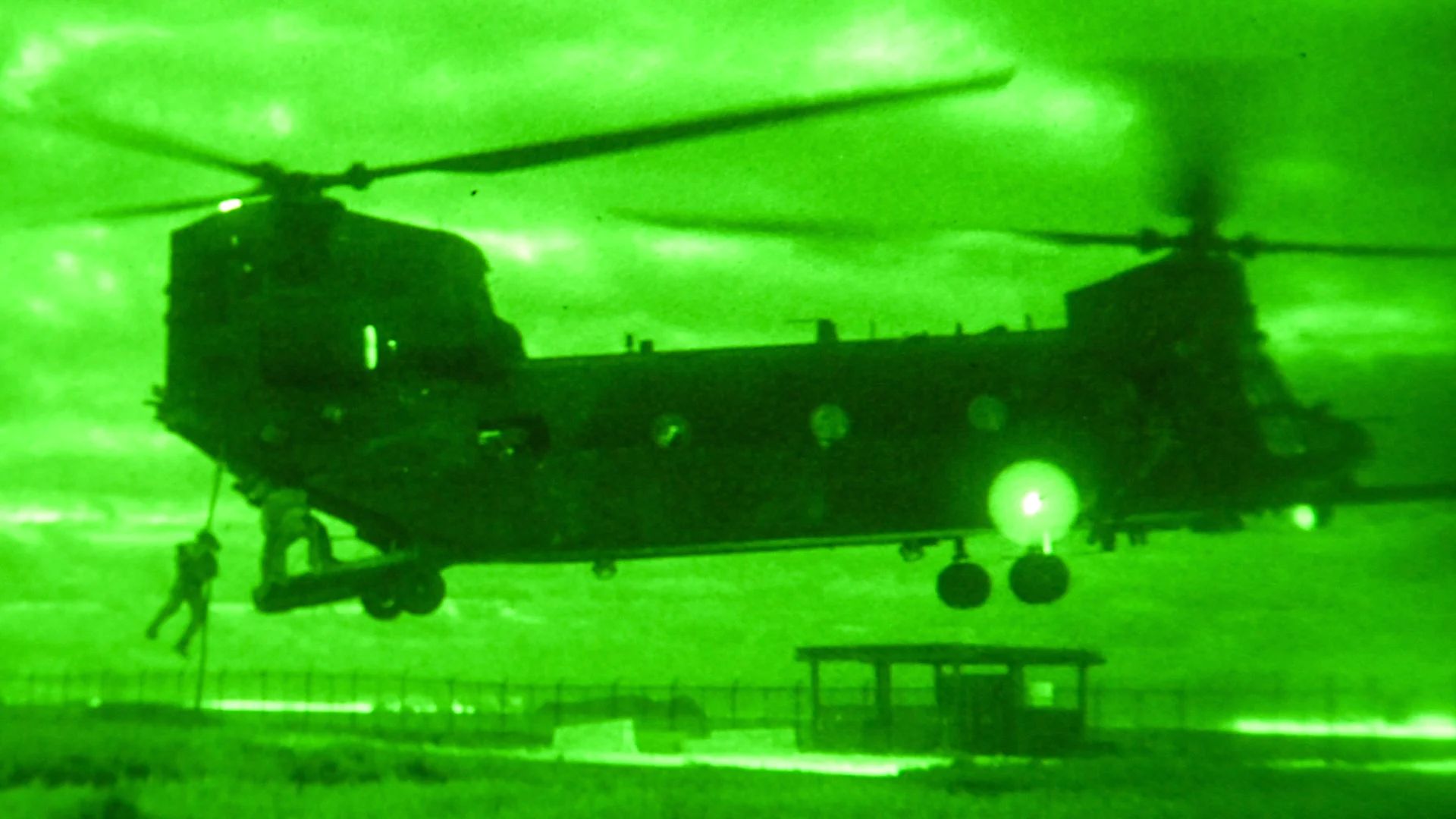
Trained In The 1980s And Feared For Their Precision In Night Missions, The Pilots Of The 160th SOAR Support CIA And Southern Command Operations In Full Escalation Against Maduro
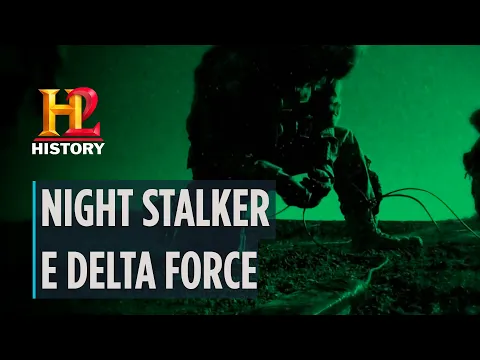
The movement of U.S. military helicopters over the waters of the Caribbean, recorded by residents and fishermen in early October, drew the attention of defense and intelligence experts. But the most troubling detail lies not just in the aircraft, but in who was piloting them: the feared “Night Stalkers”, the elite squadron of the U.S. Army that participated in the operation that killed Osama Bin Laden in 2011, in Pakistan.
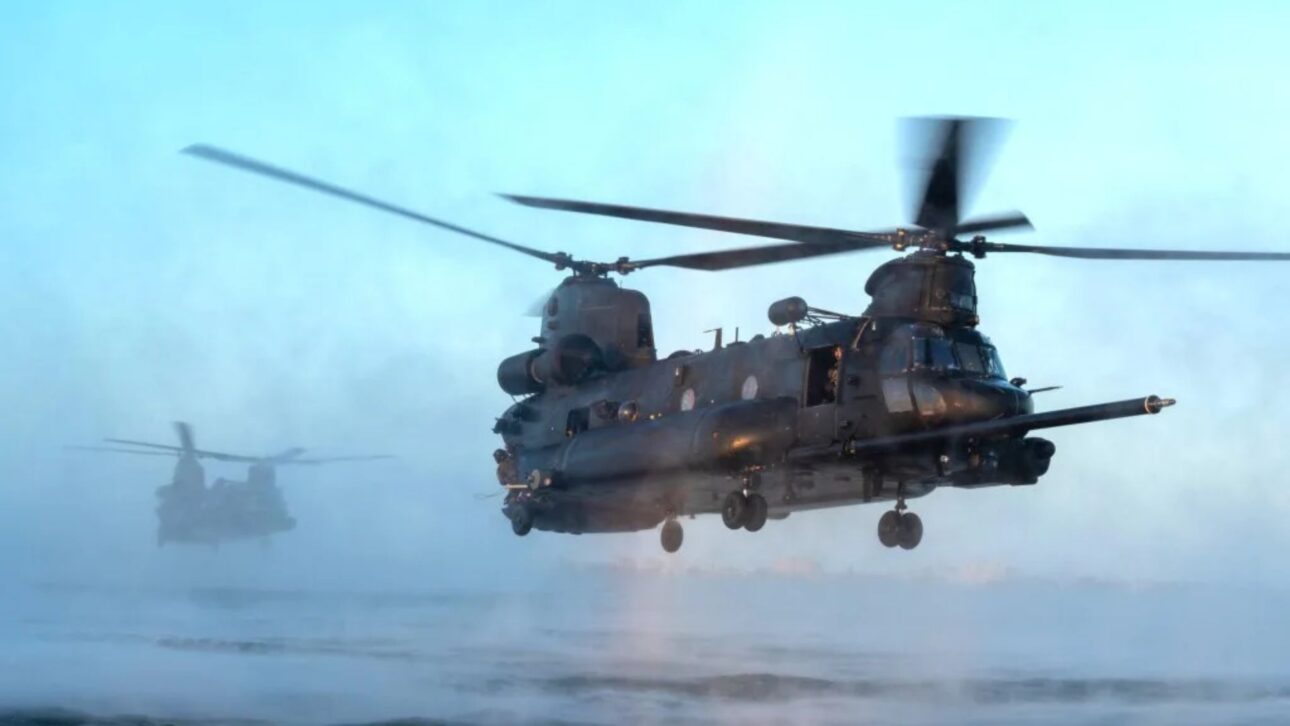
The Secret Troop Born To Hunt In The Dark
The term “Night Stalkers” literally means “Night Hunters.” Created in the 1980s, the unit was established to conduct high-complexity night operations, combining discretion, technology, and surgical precision. Officially, the group is part of the 160th Special Operations Aviation Regiment (SOAR), a division of the U.S. Army dedicated to covert missions and supporting special forces in hostile territory.
The squadron gained worldwide fame starting in 2001, during the War on Terror, when it began working alongside the CIA and other U.S. intelligence agencies in hunts for terrorist leaders in Afghanistan, Iraq, and Syria. Today, the pilots of the 160th SOAR are under the command of the Southern Command of the Armed Forces, responsible for operations in South America and the Caribbean — a region that is gaining attention on the American strategic map.
-
Survivor of 1966 SS Daniel J. Morrell Shipwreck in Lake Huron Recounts 38-Hour Ordeal in Extreme Cold

-
The Greatest Hoax in World Cup History? The Film That Denied Brazil’s 1958 Victory and Exposed How Fake Evidence Can Seem Convincing on TV
-
Fake South Korean Online Stores Offer Shopping Thrill Without Spending Money or Receiving Products
-
The War of Jenkins’ Ear: How a Severed Ear Sparked One of the 18th Century’s Most Unusual Conflicts


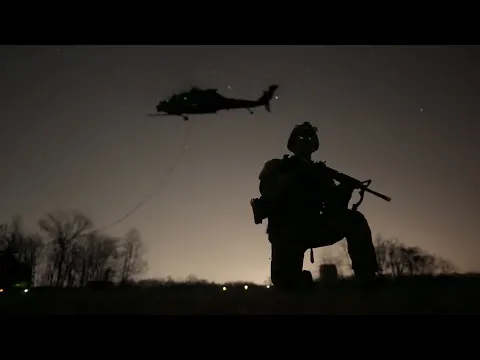

Stealth Helicopters And Formula 1 Precision
The “Night Stalkers” are known for operating a diverse fleet of tactical helicopters, which includes the MH-60 Black Hawk, the MH-47 Chinook, and the light MH-6 and AH-6 Little Bird — aircraft capable of flying at extremely low altitudes without being detected by radar. There is also a drone division focused on reconnaissance and intelligence gathering missions.
“Honestly, I think these people are the best helicopter pilots in the world. They are the Formula 1 pilots of military aviation,” stated author Steven Hartov, author of the book The Night Stalkers, to the British newspaper The Guardian.
According to the publication, satellite images and videos posted on social media showed helicopters from the squadron flying over the Caribbean Sea, near oil and gas platforms — an unusual movement for the region.
According to the paper, a visual analysis identified the MV Ocean Trader, a stealth support vessel often used as a floating base by the “Night Stalkers”, anchored northeast of Trinidad and Tobago. Sources linked to the Trump administration confirmed that the aircraft were involved in training exercises, but admitted they were part of a confidential preparatory operation.
From The Middle East To The Caribbean: Washington’s New Focus
Over four decades, the “Night Hunters” have participated in high-risk missions that have shaped U.S. foreign policy, from rescues in enemy territory to attacks against leaders of Al-Qaeda and ISIS. However, the squadron’s recent presence in the Caribbean indicates a shift in strategic priority: the focus now seems to be pointing towards South America, especially Venezuela.
This information was reported by outlets such as The Guardian and The Washington Post, which highlight the role of the CIA in the new actions. As revealed by the latter, President Donald Trump signed a confidential document authorizing secret intelligence agency operations in the region, aimed at taking “aggressive actions against the Venezuelan government.”
The document, according to the newspaper, does not explicitly order the ousting of Nicolás Maduro, but grants expanded powers to the CIA to conduct lethal and sabotage operations. The scenario rekindles fears of a military escalation similar to that seen in the Middle East in past decades.
“Narcoterrorism” And The Justification For An Attack
Since 2020, Washington has classified Maduro and parts of the Venezuelan high command as “narcoterrorists”, accusing them of involvement with drug cartels and money laundering.
In September of this year, the U.S. government revisited the possibility of a limited military operation, which would include attacks on structures associated with drug trafficking. A month earlier, the U.S. Department of Justice had offered a $50 million reward for information leading to the arrest of the Venezuelan president.
For political scientist Maurício Santoro, a PhD from Iuperj and a collaborator at the Center for Political-Strategic Studies of the Brazilian Navy, the discourse on narcoterrorism serves as a legal and moral justification for military action:
“In the United States, the Armed Forces do not have constitutional authority to act in public security, so the most plausible justification would be combating terrorism,” he explains.
“The Trump administration seems to be trying to build a political case for a possible offensive, presenting a war as if it were a drug operation,” he adds.
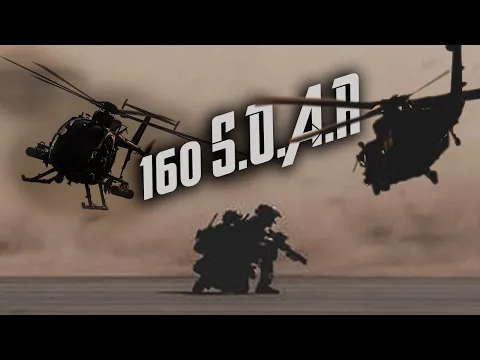
Growing Presence And Possible Scenarios
Sources cited by the Washington Post indicate that the helicopters of the Night Stalkers could be employed in infiltration and extraction operations, should a ground offensive be authorized. “They are the first and last resort: they enter quickly, silently, and disappear before dawn,” described a former officer consulted by the newspaper.
Despite the speculations, American authorities deny any plan for direct invasion. The White House insists that the maneuvers are merely “routine exercises”, although the political context and the presence of the CIA raise doubts.
As Santoro pointed out, “the mere appearance of the Night Stalkers in the region is, in itself, a sign that special forces operations are underway.”
With stealth helicopters cutting through the Caribbean sky, and the MV Ocean Trader silently anchored near Venezuela, the perception grows that the United States is reorganizing its military power in Latin America.
And when the “Night Hunters” appear, it is rarely just a training exercise.





-

1 person reacted to this.