






 Portuguese
  Spanish


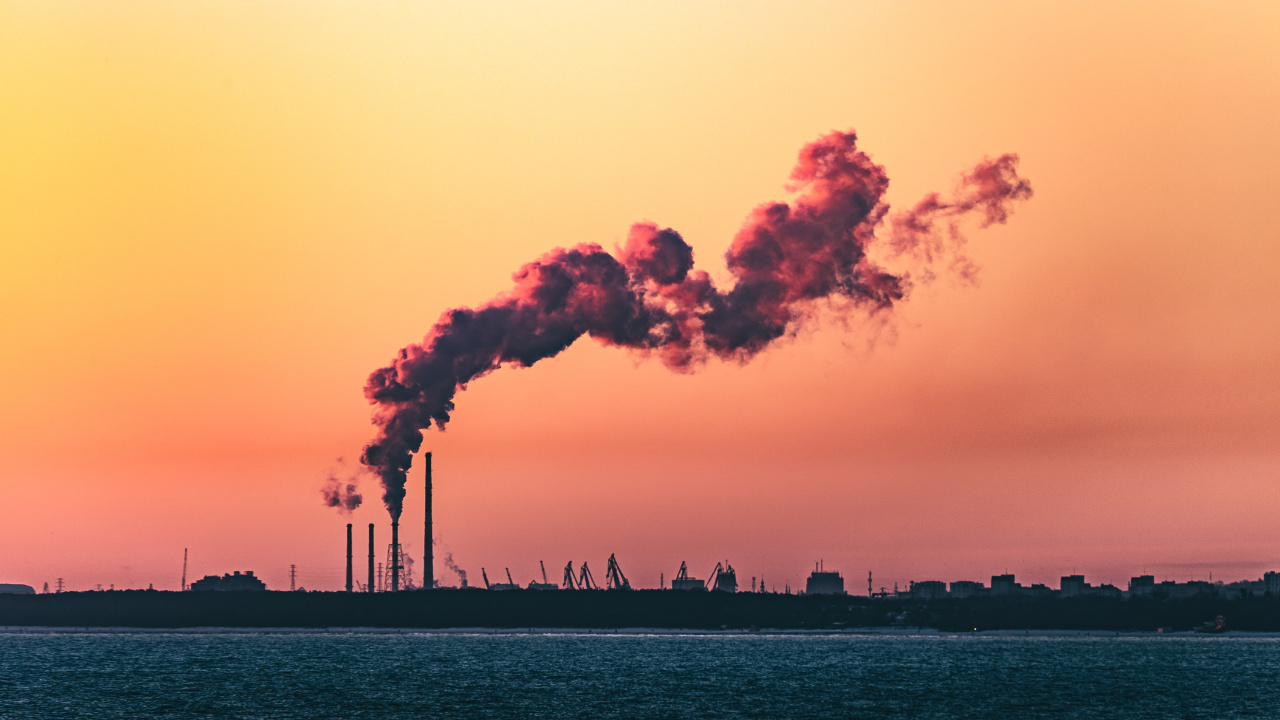


Study Published in Nature Links For the First Time Oil, Coal, and Cement Emissions to 213 Heatwaves Between 2000 and 2023, Highlighting the Responsibility of Major Carbon Companies.
An unprecedented survey conducted by Nature and reported by Poder360 on Monday, September 15, provided new evidence of the direct link between fossil fuel burning and the worsening of global heatwaves. The study analyzed data from 2000 to 2023 and attributed 213 extreme events to oil, coal, and cement emissions, pointing to the responsibility of 180 intensive carbon industries.
Scientists concluded that human-induced climate change has made heatwaves up to 200 times more likely compared to earlier periods. To reach this conclusion, statistical models, historical reconstructions, and information from the Carbon Majors Database, which compiles data on the largest global emitters, were used.
Intensity of Heatwaves Increases at an Accelerated Pace
The research revealed that the average intensity of extreme heat episodes has not only grown but has also intensified rapidly. Between 2000 and 2009, the average increase recorded was 1.4 °C. By contrast, between 2020 and 2023, this figure reached 2.2 °C.
-
OPEC+ Boosts Oil Supply by 188,000 Barrels per Day in July 2026, Leading to Price Drop from $112 to $89 per Barrel in Under Two Months

-
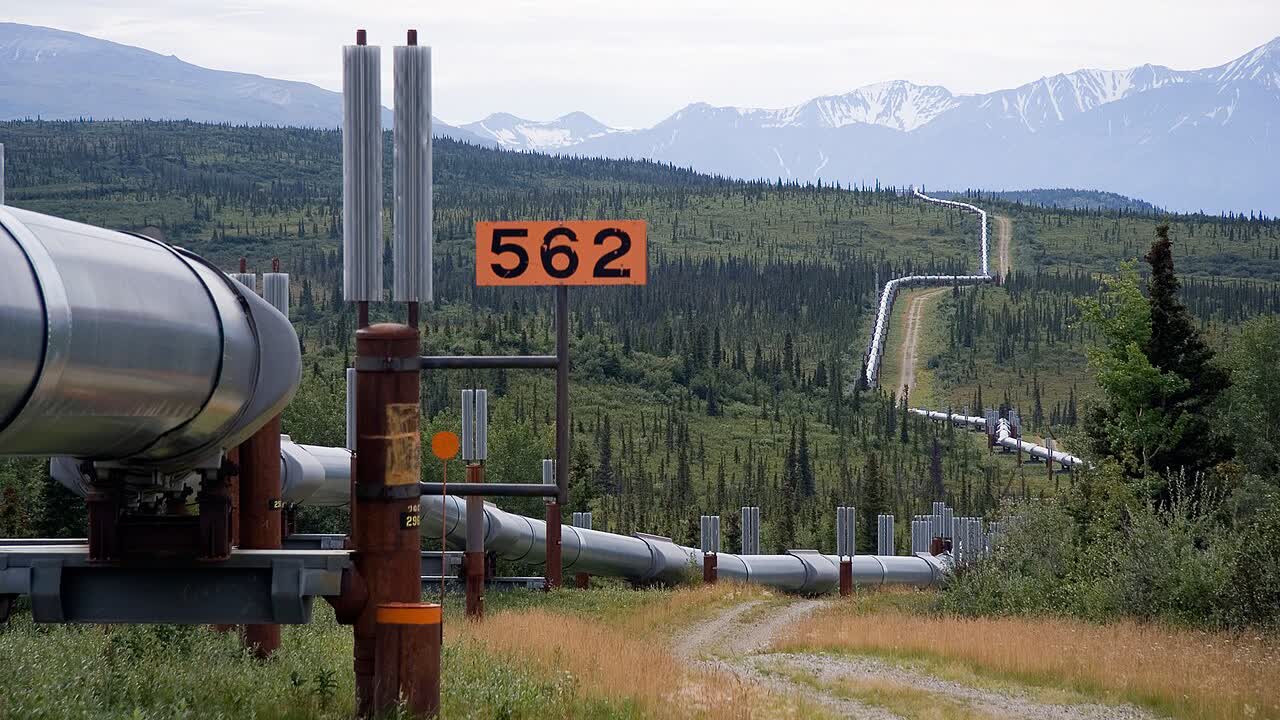
TotalEnergies Signs 20-Year Deal to Purchase 2 Million Tons of LNG from Alaska, Boosting Project Viability
-
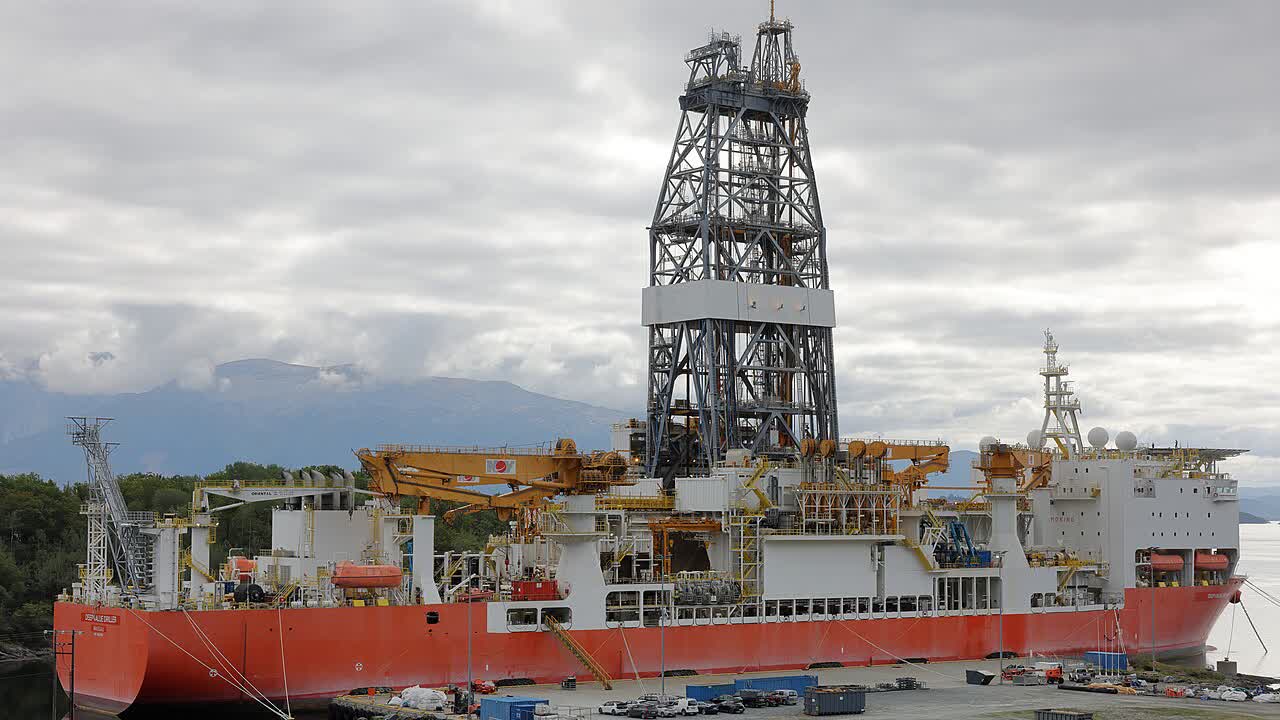
Turkey Deploys Çağrı Bey Drilling Ship to Explore New Oil Frontier Off Somalia’s Coast
-
Golden Pass LNG Ships First Liquefied Gas Cargo from the U.S., Completing $10 Billion QatarEnergy and ExxonMobil Investment


This last period includes the COVID-19 pandemic, when part of the economic activity was reduced. Still, the numbers demonstrate that the climate crisis is progressing faster than anticipated.
According to the authors, the assessed heatwaves occurred on all continents, but Africa and South America are under-represented due to a lack of reporting and adequate meteorological infrastructure. The study warns of two forms of underreporting:
- many episodes were not even recorded in the international disaster database (EM-DAT);
- some emissions of gases like CO₂ and CH₄ are not declared by major emitters.
Nonetheless, the results were considered robust and consistent by the scientific community.
Major Carbon Companies at the Center of the Crisis
The study shows that the so-called “carbon majors” account for 57% of cumulative anthropogenic CO₂ emissions, including land use, since 1850. When the calculation includes only fossil fuels and cement, this share rises to 75%.
A relevant piece of data is the inequality in contributions. Only 14 companies account for emissions equivalent to those of another 166. The list includes giants like Saudi Aramco, ExxonMobil, Chevron, BP, Shell, Gazprom, CNPC, and Petrobras, which ranks 15th.
According to the study, not only the large corporations are in focus. Smaller carbon companies have also increased their emissions, reinforcing the need for monitoring and accountability.
In addition to the climate analysis, the study emphasizes the social dimension of the crisis. The World Health Organization (WHO) estimates that at least 489,000 people die every year due to extreme heat, considering only the period between 2000 and 2019.
In a complementary report, scientists from organizations such as World Weather Attribution and Climate Central showed that between May 2024 and May 2025, about 4 billion people – nearly half of the global population – will have lived through at least 30 additional days of extreme heat. This scenario has been classified as at least twice as likely due to human action on the climate.
Connection Between Science and Public Policies
The article in Nature argues that the gathered scientific evidence can support not only climate policies but also legal processes against companies and countries. Today, the number of lawsuits seeking compensation for losses and damages or demanding stricter environmental targets is growing.
The study states: “The influence of climate change on heatwaves has increased, and all major carbon companies, even the smaller ones, have substantially contributed to the occurrence of heatwaves. Our results help to fill the gap of evidence to establish accountability for historical climate extremes.”
Over the past two decades, the effects of intensive use of oil, coal, and cement have become increasingly evident. The rise in emissions from these industries has not only warmed the planet but also exposed billions of people to health, economic, and social risks.
For experts, the message of the study is clear: the continuation of dependence on oil and other fossil fuels is intensifying increasingly destructive heatwaves. The pressure for quick solutions and effective climate policies becomes inevitable in light of the amassed evidence.








