






 Portuguese
  Spanish


Tecpar Studies Potential for Biogas Production from Food Waste with New Laboratory, Evaluating Infrastructure for Generation of Biofuels and Renewable Energy.
Tecpar has begun a new research project to investigate the feasibility of generating energy from food waste. The new laboratory at the Technology Institute of Paraná (Tecpar) is conducting experiments to measure the potential for production of biogas from this waste. This work aims not only to understand the conversion processes but also to explore the possibilities for practical applications of biogas technology on a large scale.
The ongoing studies in the laboratory are also focused on analyzing the infrastructure needed for the production of biomethane and other biofuels. These experiments are crucial for determining the efficiency and economic viability of using biogas as a sustainable energy source. The goal is to provide innovative energy solutions and reduce dependence on fossil fuels, promoting the development of a cleaner and more renewable energy matrix.
Evaluation of Methanogenic Potential
The proposal is to analyze the methanogenic potential of this material to assess whether the biomass present can generate methane in sufficient quantities to be viable. Biomass, which refers to any organic matter from plant or animal sources used as a clean energy source, is essential in the production processes of biogas and biomethane, two types of biofuels. Tecpar modernized the laboratory this year by acquiring equipment that performs automatic analyses of the potential of each input in the renewable energy production.
-
AI Data Centers Now Feature Built-In Nuclear Power Plants and Have Ordered Non-Existent Reactors

-
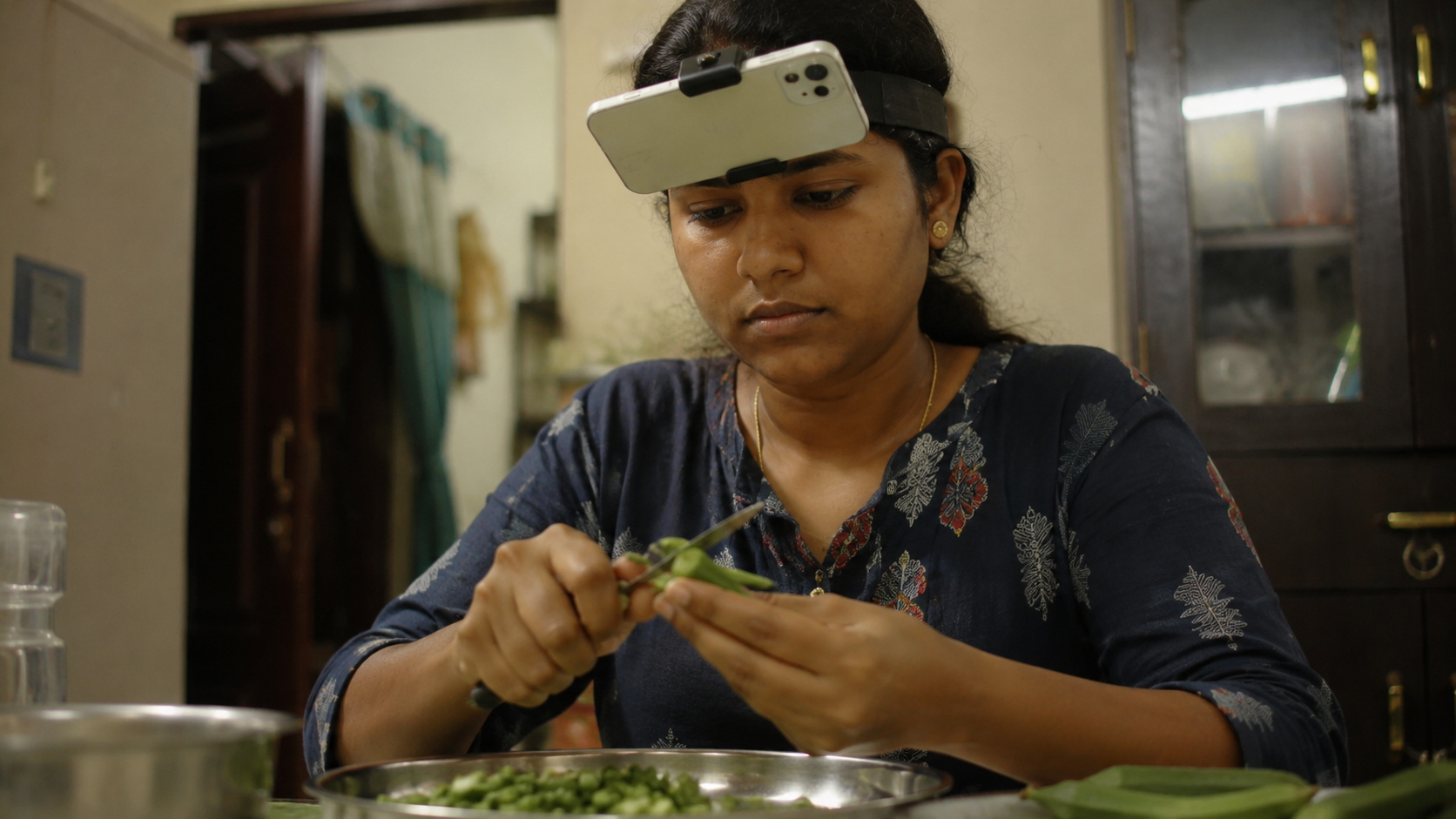
In India, thousands earn about $2.50 an hour cooking and cleaning with a phone strapped to their heads, as every move is recorded to train humanoid robots for jobs they might one day replace.

-
Nuclear Fusion Study Proposes Transforming Mercury into Gold Using Tokamak Neutrons, but Real-World Application Remains Uncertain
-
Brazilian Researchers Develop Floor Tiles That Convert Student Footsteps into Electricity to Reduce University Energy Costs




Infrastructure of the New Laboratory
With this infrastructure, the experiment will be conducted, according to Bill Costa, project coordinator and chemist with a master’s and doctorate in materials engineering. He comments that food waste, such as those produced in restaurants or homes, has excellent potential for production of biogas. These wastes, such as salad, rice, pasta, fruits, and shredded chicken, are generated in large volumes and can be converted into thermal or electric energy.
Environmental and Economic Impact of Biogas
The use of this waste has a positive environmental impact by preventing its disposal in dumps or landfills and also provides economic benefits, as the biogas generated can be converted into heat or electricity. The research is expected to be completed by the end of September, followed by a new round of analyses using waste from the Tecpar cafeteria. The methodology will be validated in early October, promoting advances in infrastructure with the acquisition of a new portable biogas analysis equipment.
Acquisition of Portable Equipment
This portable equipment will allow the analysis of the composition of biogas directly in the field, an innovation in Tecpar’s infrastructure. The applied research aims at biogas production from biomass in industries and rural properties, offering cutting-edge technological solutions. With it, it is possible to determine the levels of methane, carbon dioxide, hydrogen sulfide, and oxygen in the biogas produced in biodigesters.
Commitment of Tecpar and State Government
The researcher emphasizes that these measurements can transform into future specialized laboratory services, contributing to the production of renewable energy. Celso Kloss, president of Tecpar, emphasizes that the institute aligns its actions with the needs of Paraná and Brazilian society, reinforcing the commitment of the Government of Paraná to expand the use of biogas and biomethane. The new infrastructure at Tecpar will strengthen industries that wish to generate their own energy with advanced technological support.
Government Plan and Future of Tecpar
The creation of the Biogas and Biomethane Research Laboratory at Tecpar aligns with the strategic objectives established by the State Government. By 2026, Tecpar plans to expand its service portfolio, developing innovative laboratory tests in the areas of health and the environment. This expansion will allow the institute to offer new services and add value to the solutions presented to society, encompassing the necessary infrastructure and technological innovation to advance in the production of biofuels and environmental sustainability.
Source: Press TECPAR


