Portuguese
  Spanish


Suely Araújo, Former President of Ibama, Asserts That Expanding Oil Production Contradicts the Government’s Energy Transition Discourse and Warns of Environmental and Political Risks in New Exploratory Licenses.
The discussion about oil exploration in Brazil has returned to the center of the environmental debate. For Suely Araújo, former president of Ibama and current public policy coordinator at the Climate Observatory, the federal government’s decision to open new exploratory frontiers, especially in the Equatorial Margin, represents “the main contradiction of the environmental policy of the Lula 3 government.”
In an interview with the Survival Manual podcast from Rádio Brasil de Fato, Suely emphasized that, despite advances in reconstructing environmental governance, the encouragement of oil expansion contradicts the country’s climate commitments. “When we talk about the government’s decision to expand oil production in the country, we are focusing on the main contradiction of the environmental policy of the Lula 3 government,” she stated.
Strict Environmental Licensing and Historical Record of Denials in the Mouth of the Amazon
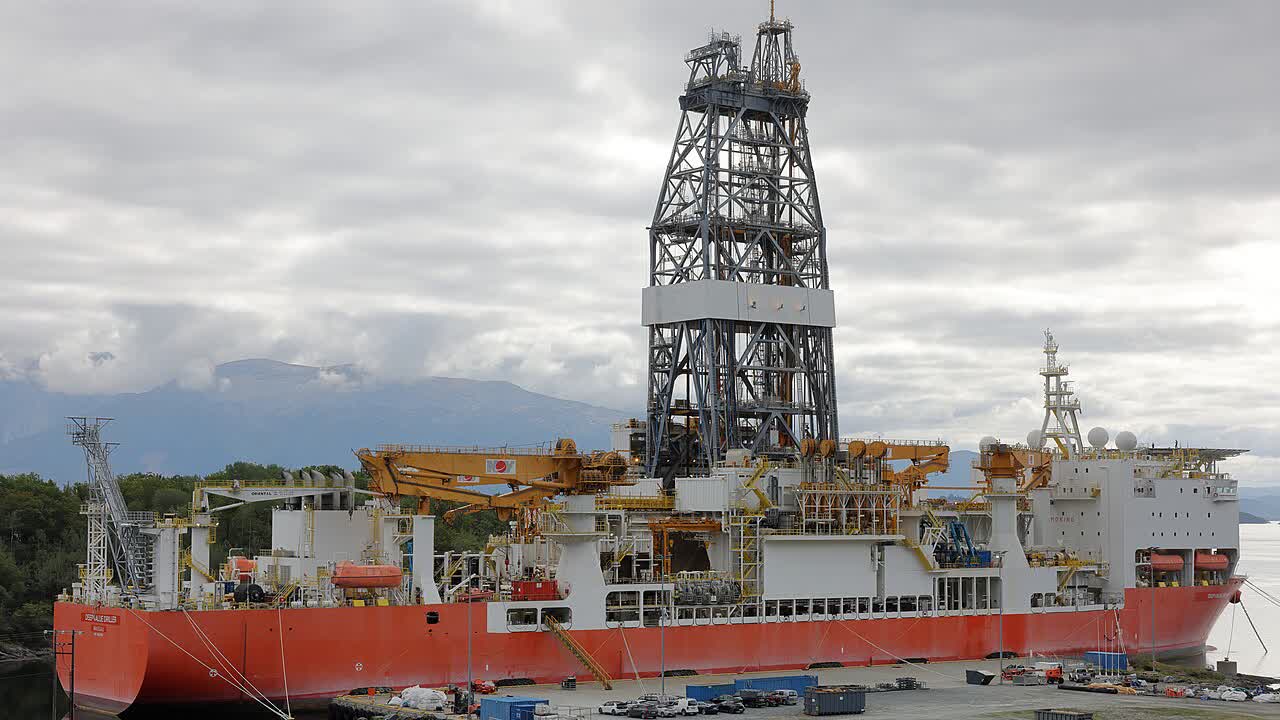
The former president recalled that Ibama has denied the environmental license request for drilling in the Block 59 of the Mouth of the Amazon Basin twice. The first denial occurred in 2018, during her administration, and the second in 2023, under the current government.
-
Qantas and Airbus Invest in Company Aiming to Convert Unsorted Household Trash into Jet Fuel

-
Brazil’s ANP Opens 86 New Oil Blocks in the Equatorial Margin, Expanding the Amazon River Mouth Frontier

-
OPEC+ Boosts Oil Supply by 188,000 Barrels per Day in July 2026, Leading to Price Drop from $112 to $89 per Barrel in Under Two Months

-
TotalEnergies Signs 20-Year Deal to Purchase 2 Million Tons of LNG from Alaska, Boosting Project Viability




According to her, the decisions were made based on technical criteria, due to the absence of adequate studies on the impacts on the region’s marine ecosystem — an environment that is still poorly understood and has strong ocean currents. “The decision on environmental licenses must be eminently technical. The licensing team at Ibama is extremely well-prepared from a technical point of view,” Suely emphasized.
Political Tensions and Attempts to Relax Licenses Worry Experts
Despite the technical recommendations, the issue of oil has sparked increasing political pressure. In the National Congress, lawmakers are debating a proposal for a “special environmental license”, included in an amendment to the so-called Devastation Bill.
The measure would allow for the acceleration of licensing for projects considered “strategic” by the government. For Suely, this initiative represents an environmental setback. “We are facilitating complex enterprises. They can facilitate simple undertakings, not the complex ones,” she criticized.
The expert also warns that the proposal could weaken the technical role of Ibama and open loopholes to circumvent decisions based on scientific criteria. According to her, if approved, the amendment is likely to be judicialized, as it is “unconstitutional.”
Energy Contradiction Exposes Fragility of Brazil’s Climate Discourse
For Suely Araújo, the bet on expanding oil weakens Brazil’s leadership in international discussions on climate change, especially at a time when the country is preparing to host COP30 in 2025.
The former president of Ibama believes that the search for new reserves contradicts the discourse of energy transition advocated by the government itself. In her view, the country should invest more heavily in renewable sources and in a real decarbonization policy, avoiding the risk of losing international credibility.