Portuguese
  Spanish


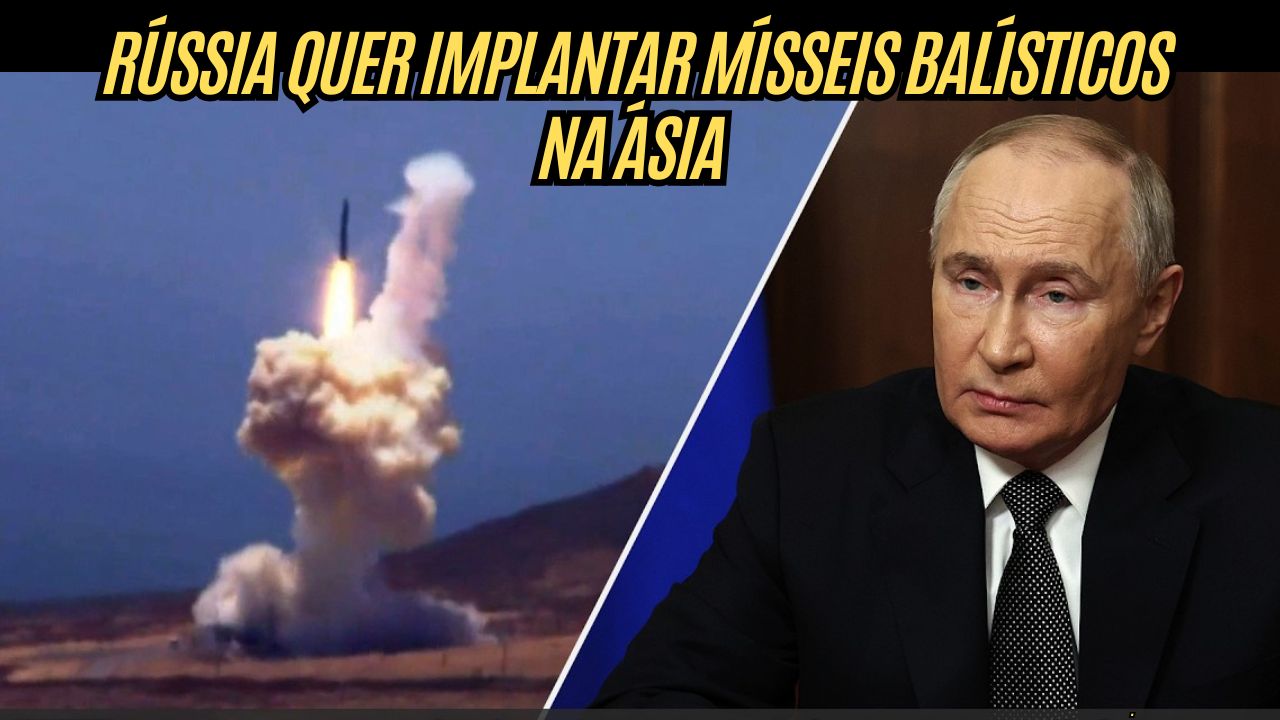

Russia May Deploy Ballistic Missiles In Asia Against US Missiles In The Philippines. Moscow Is Studying Military Response To US Presence In The Pacific, Increasing Uncertainties In The Region.
The situation in the Indo-Pacific is becoming increasingly tense. Since April of this year, US missiles in the Philippines have been a concern for China and Russia. Now, Moscow is evaluating the possibility of deploying its own systems in the region, raising the alarm for a new global arms race.
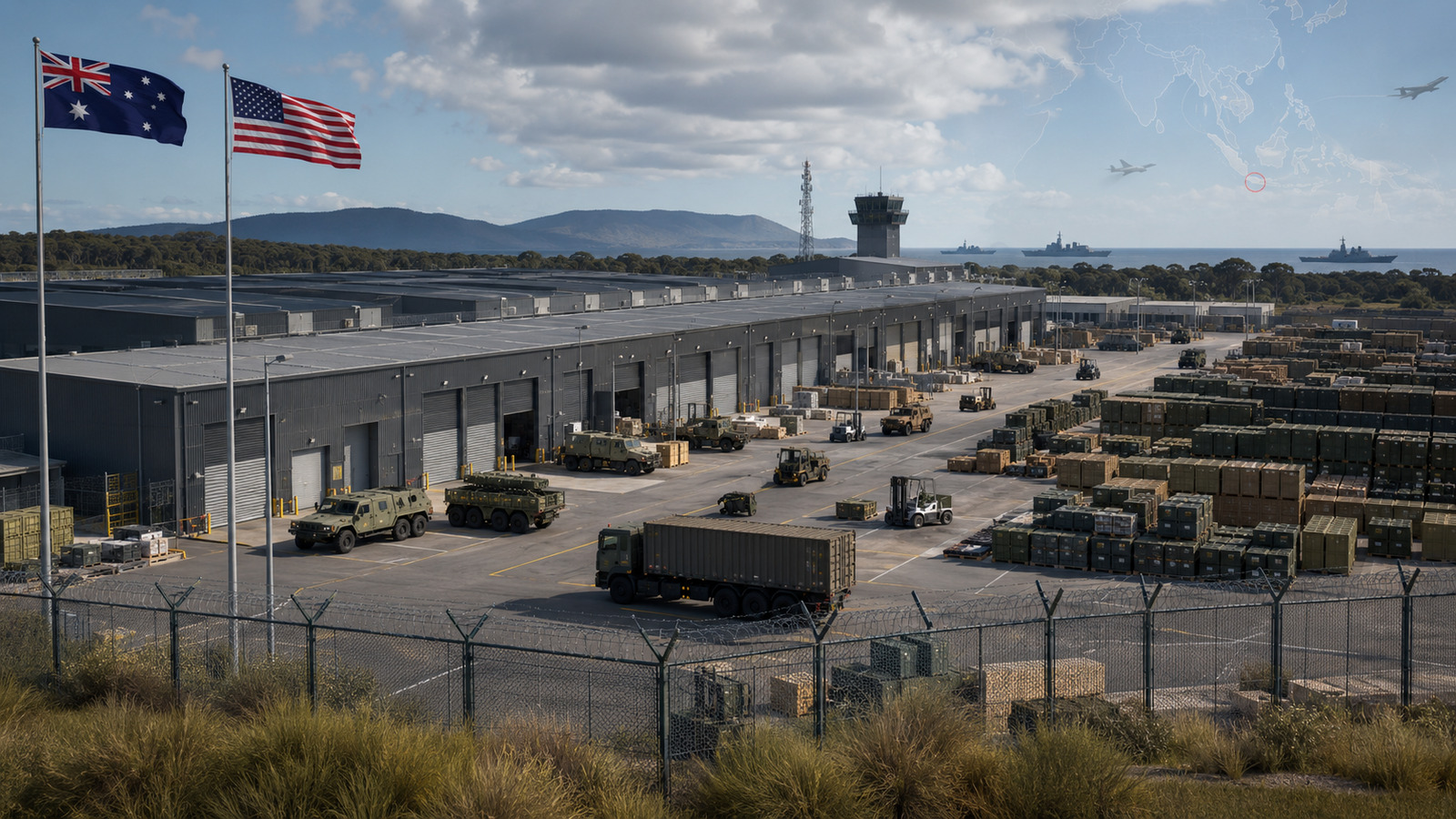
In April, the United States installed the MRC Taifun missile system in the Philippines. Initially, the deployment occurred during joint military exercises with Manila, but by the end of September, Washington and the Philippine government decided to maintain the system permanently. The MRC Taifun is capable of firing both the Tomahawk cruise missile and the SM-6 interceptor, positioning US missiles in the Philippines as a key component of the American strategy in the Pacific.
China quickly denounced the presence of this weaponry, demanding its removal from the region. Meanwhile, Russia entered the debate, suggesting it could respond militarily to the American advance. Sergei Ryabkov, Russia’s Deputy Foreign Minister, stated that Moscow is “considering deploying its short- and medium-range systems in the Asia-Pacific.” This action would be a direct response to the presence of US missiles in the Philippines.
-
European Parliament Approves Digital Euro, Aiming to Challenge Visa and Mastercard’s Dominance and Transform Payments Across Europe by 2029

-
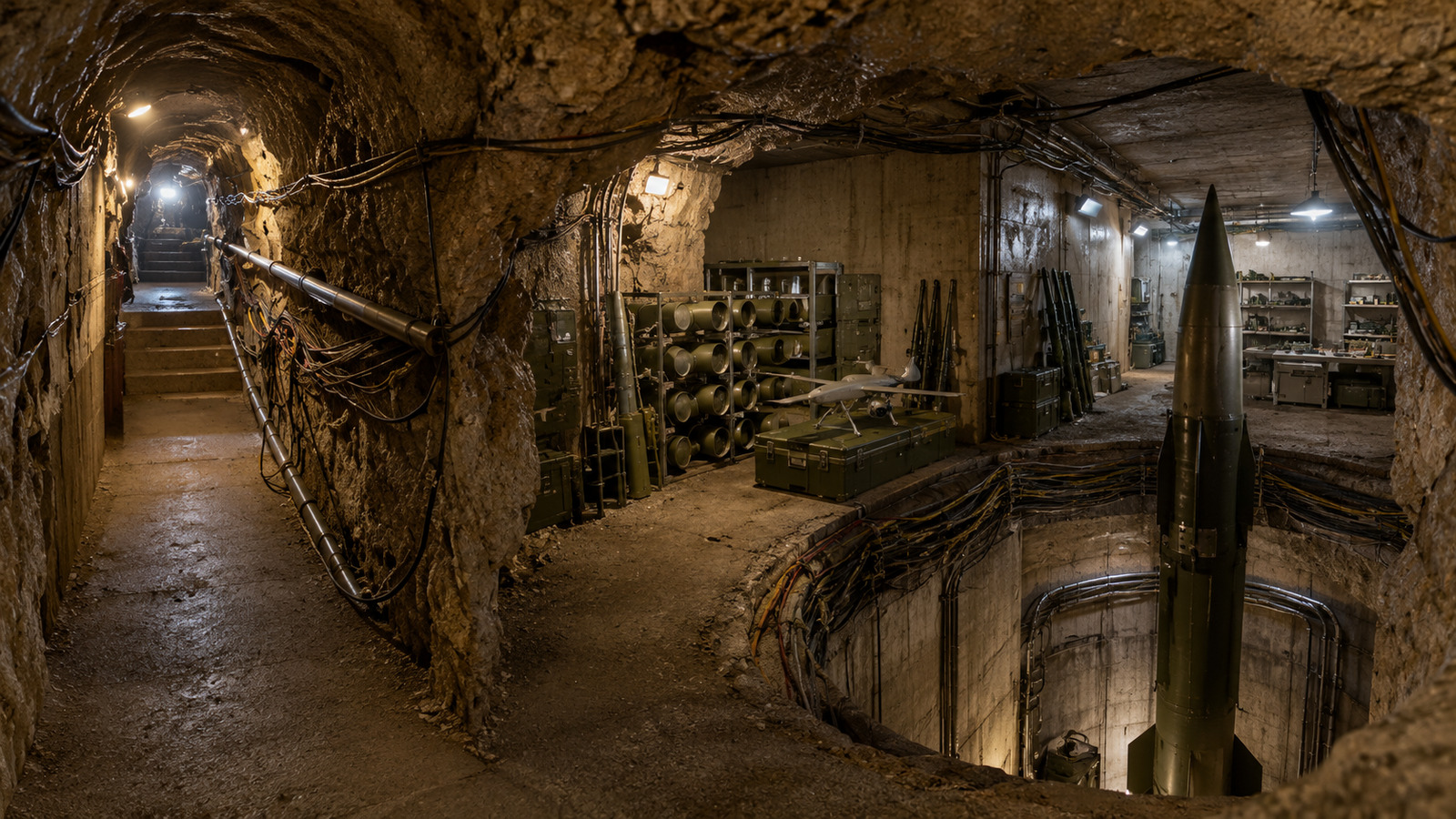
Israel finds Hezbollah militarized tunnel over 200 meters long under village, with 4 missile launch shafts, 12 chambers, anti-tank missiles, drones, and weapons depots at a depth of 25 meters.

-
Ukraine launches largest drone attack on Moscow since 2022, Russia claims to have intercepted nearly 200 aircraft near the capital, Kapotnya refinery targeted again, and offensive reignites alert about war reaching the Russian energy heart just a few kilometers from the Kremlin.

-
Truck drivers, freight, and fines from 2022 take center stage in politics: Chamber approves MP with amnesty, mandatory tracking by CIOT, million-dollar penalties, and new minimum wage for those who spend more than 24 hours on the road.



The INF Treaty Crisis
The collapse of the 1987 Intermediate-Range Nuclear Forces (INF) Treaty, which banned ballistic and cruise missiles with ranges between 500 and 5,500 km, has paved the way for the current escalation. Since the United States withdrew from the agreement in 2019, Russia and the US have been expanding their arsenals, reigniting geopolitical disputes.
The arrival of Taifun missiles in the Philippine archipelago and the possibility of its expansion to other Asian allies have angered Moscow and Beijing. Experts fear that the American decision could lead to even greater militarization in the Pacific, involving both Russia and China.
New Alliances and Tensions
Moreover, cooperation between Washington and Tokyo to protect Taiwan adds a new level of complexity to the crisis. Japanese media reported that the US may install missile systems on islands near Taiwan, increasing the American military presence in the Pacific. At the same time, Russia is considering strengthening its alliance with China, including sharing advanced submarine technology.
The expansion of US missiles in the Philippines and the possibility of Russia deploying ballistic missiles in Asia create a scenario of uncertainties in the region. Meanwhile, countries like Japan, Taiwan, and the Philippines are becoming the center of disputes between the powers.
An Uncertain Future
With the Indo-Pacific increasingly militarized, the rivalry between superpowers transforms the region into a stage for global tensions. The deployment of US missiles in the Philippines has already generated reactions from Beijing, and the possibility of Russia deploying ballistic missiles in Asia marks the beginning of a new chapter in global geopolitics.
The question remains: how far can this arms race go before it escalates into direct confrontation?