Portuguese
  Spanish


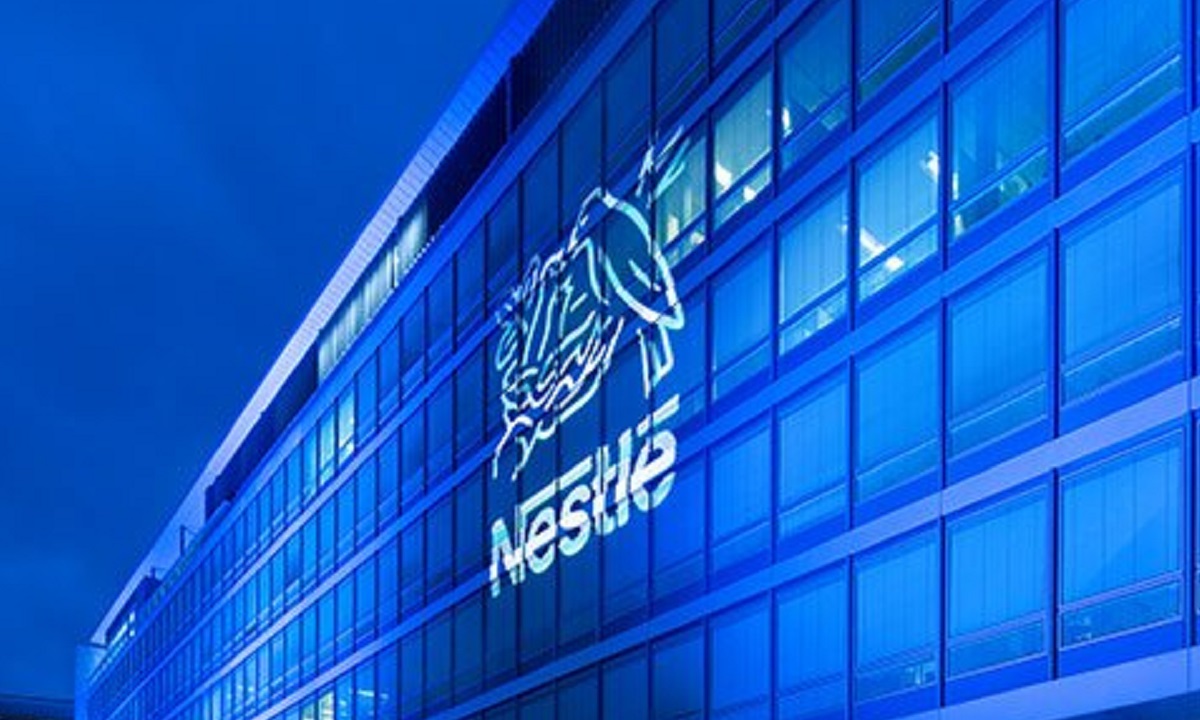

In The Future, With The Installation of The 5G Network, Nestlé’s Factory May Transform From Automated To Autonomous
The Nestlé factory, located in the municipality of Caçapava, in the state of São Paulo, responsible for producing 2 million units of KitKat chocolate per day, already has 5G internet. Now, the line features another technological advancement with the use of a ‘robot-car’, which has an instantaneous response time.
Learn Now About The Advancements Provided By 5G Internet
The machine consists of an antenna that responds to commands from a central unit. The device can move and brake faster due to the ultra-fast 5G network. Thanks to 5G, Nestlé can make the new machine transport the wafer to the chocolate station to produce KitKat.
Nestlé’s network exists thanks to a partnership between Ericsson and Embratel. The frequency used is 3.5 GHz. In tests, the average browsing speed reached 700 megabytes per second, while the latency, which is the response time between devices, was only 8 milliseconds.
-
Australia deploys poisoned sausages and uses traps, shooting, and fences in a battle against invasive cats that kill over 1.5 billion native animals annually, threatening more than 200 species.

-
NASA Rover Captures “Tired Face” on Mars, Highlighting Human Brain’s Tendency to See Faces in Rock Formations

-
Ancient Stone City in the Desert, Once Home to 30,000, Puzzles Scientists with Nabateans’ Water Mastery 2,000 Years Ago

-
Ancient Creature Thought Extinct Since Dinosaur Era Reappears, Baffling Scientists




The 5G internet enabled connection between multiple devices at the same time, something that will allow for the development of artificial intelligence, the Internet of Things (IoT), augmented reality, cloud data storage, and other functionalities. In the future, the factory may transform from automated to autonomous.
The president of Nestlé in Brazil, Marcelo Melchior, stated in an interview with Estadão/Broadcast that it is as if the factory can now think for itself. For example, the station could identify a low cocoa stock and independently order a refill.
Nestlé’s network is also being used in augmented reality glasses, with accurate images of the plant, which help train employees without needing to stop the production line. The glasses also serve for remote maintenance, meaning that a technician from another country can check a problem on the line without having to take a flight.
The variety of details even allows for calculating the future wear rate of components and replacing them before a potential failure occurs. Additionally, the network has wireless sensors connected to smaller, cordless equipment, which leaves more free space in the building.
Nestlé Becomes An International Reference
The factory in Caçapava, in the São José dos Campos region, is the first Nestlé factory to have its own 5G network. Nestlé, which has factories in 79 countries, chose the municipality’s hub as it already functioned as a research center for technological solutions. If the research proves successful at this hub, it will be replicated throughout the American continent.
Nestlé’s project expanded the list of companies in Brazil that are testing 5G internet technology to gain more capacity and autonomy in their production lines, such as Gerdau, Stellantis, and Weg, among other companies that have joint projects with technology suppliers, including Ericsson, Nokia, Huawei, Embratel, IBM, and NTT.
Murilo Barbosa, vice president of Business at Ericsson for the Southern Cone of Latin America, reports that there is an increasing interest in the market for the new technology and that they are receiving many inquiries.
The National Confederation of Industry (CNI) estimates that the use of the 5G network in Brazil will have an impact of R$ 80 billion by 2030.
Gustavo Moura, manager of the Digital Transformation Program for Operations at Nestlé, said that the company will have more flexibility and freedom to create products.
The president of Embratel, José Formoso, reported that discussions to install the network at the chocolate manufacturer began about two years ago, and the first tests before the definitive installation took place six months ago. He explains that 5G within industries is complex, as it relates to security and logistics.