Portuguese
  Spanish



Announcement Of New Investment At The São José Dos Pinhais Plant Occurs After Two Years Without Renault Launching A Totally New Product
Last week, an investment of R$ 2 billion in the São José dos Pinhais (PR) plant was announced by Renault do Brasil, aimed at the production of a new sports utility vehicle (SUV) and a new 1.0 turbo engine. In March, the production of the new car had already been announced, but approval from the headquarters was still needed for the implementation of the new investment plan.
The company also highlights that the new platform for the SUV, named CMF-B, will also allow new products to be introduced in the future, as well as a potential electrification.
According to Luiz Fernando Pedrucci – the company’s president in the region -, this is an important phase for Renault in Latin America, given that preparations are being made for the launch of new products and engines with the best technology from the Renault Group.
-
End of an era in Brazil: beloved sedan by Brazilians is discontinued despite having a 2.0 engine with 151 hp, CVT transmission, 466-liter trunk, and up to 650 km of range.

-
New Law Proposal in Brazil Could Heavily Penalize Drivers: Dangerous Overtaking May Become a Serious Offense with Fines Increased Tenfold and a 12-Month License Suspension; Update on 2026 Progress

-
Electric Revolution: Watts W125 Motorcycle Offers 160 km Range, 90 km/h Speed, and Affordable Price Starting at $3,000
-
General Motors Replaces Over a Thousand Workers with 50 Cobots at Electric Vehicle Plant, UAW Union Criticizes Move Amid Industry’s Automation Push



Ricardo Gondo, president of Renault do Brasil, stated that the new investment occurs after the last cycle of R$ 1.1 billion announced in March of last year. This amount was allocated to the launches of the electric Zoe E-Tech and the Captur SUV with the new TCe 1.3 Flex turbo engine and the new line of Master, Oroch, Kwid, and Duster models, as well as the Kwid E-Tech electric, which is still in pre-sale for deliveries in August.
The Investment Is Part Of Renault’s New Strategic Plan, Called Renaulution
Since 2021, Renault has adopted in Brazil the strategic plan called Renaulution, which aims to show less interest in the company’s sales volume and more in values, that is, to focus on more expensive models that provide a greater financial return to the brand.
In this scenario, the new SUV is expected to enter the market within two years, competing in the segment currently occupied by the Fiat Pulse and the Volkswagen T-Cross.
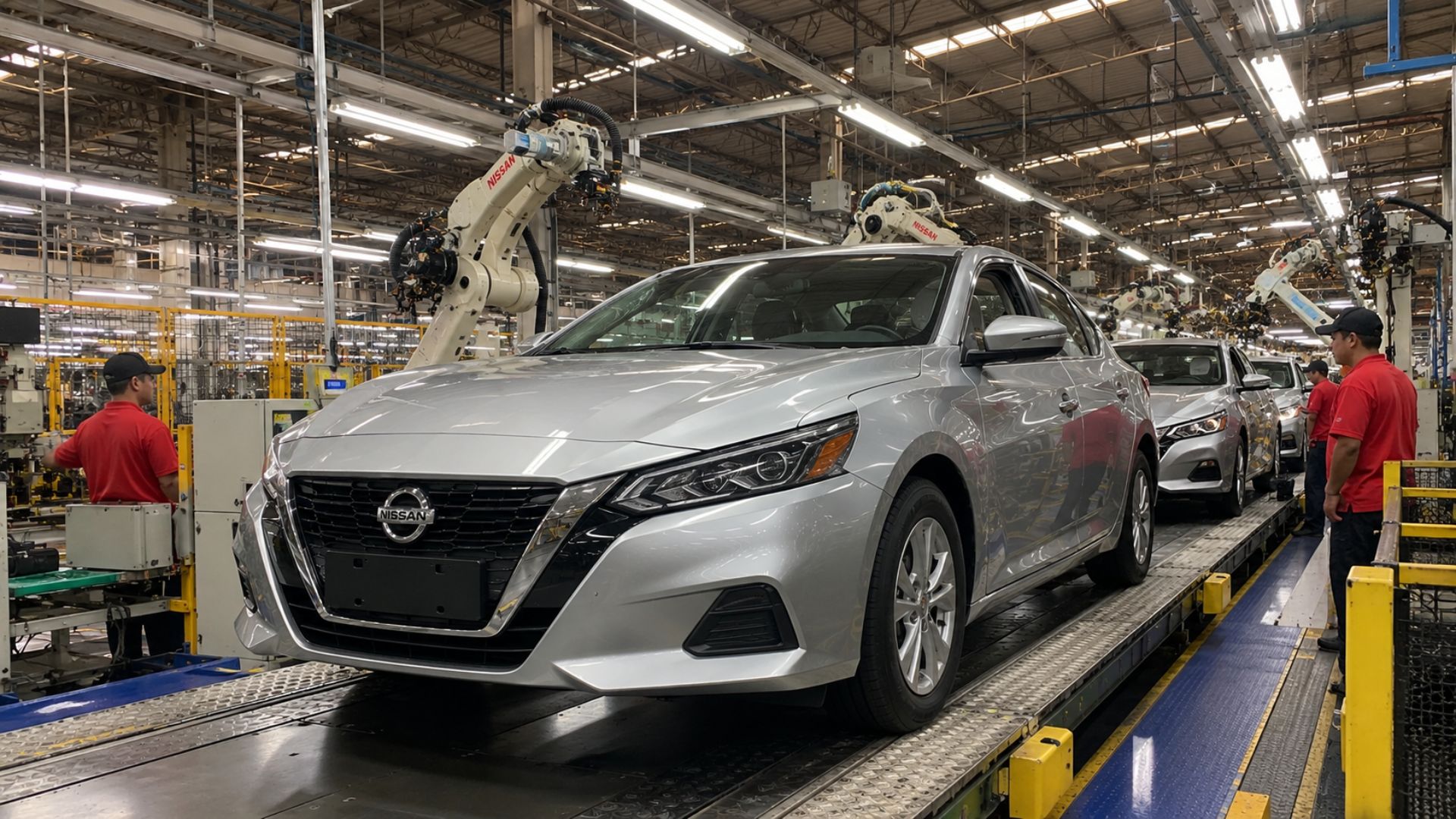
In April, Nissan, Renault’s partner company, also announced it will make an investment of around R$ 1.3 billion in the Resende (RJ) plant, which is set to be applied by 2025. Additionally, the amount will also be used for the production of a new vehicle and the modernization of the plant, which, notably, has been facing a shutdown from July 4 to July 8, due to a shortage of semiconductors.
Information is sourced from the newspaper O Estado de S. Paulo.
Also Read This Article:
Shortage Of Electronic Components Causes Shutdowns In The Electronics Industry And Vehicle Assembly Plants Across Brazil
According to information from the newspaper O Estado de S. Paulo, the lack of electronic components for industries, further intensified by the lockdowns in China, is causing factories of the three largest automakers in Brazil – Fiat, Volkswagen, and General Motors (GM) – to halt operations again. The problem also significantly impacts the electronics industry, with the volume of affected factories being the highest since the beginning of the semiconductor crisis.
The two industries have been facing a series of challenges to keep production lines running without interruptions, including, for example, the war between Russia and Ukraine, where essential raw materials for chip production are traded, and the delays in releasing cargo at customs due to standard operating procedures of the Federal Revenue inspectors.
To learn more, click here to access the full news.