Portuguese
  Spanish




The Automotive Industry Already Registers a Production Loss of 1.6 Million Vehicles, While 57% of Electronic Device Factories Have Already Been Affected by the Issue
According to information from the newspaper O Estado de S. Paulo, the lack of electronic components for industries, further intensified by the lockdowns in China, is causing factories of the three largest automakers in Brazil – Fiat, Volkswagen, and General Motors (GM) – to enter into shutdowns again. The issue also affects the electronics industry even more abundantly, with the volume of factories impacted being the highest since the beginning of the semiconductor crisis.
Both industries have been facing a series of challenges to keep the lines operating without interruptions, including the war between Russia and Ukraine, where essential raw materials for chip production are traded, and the delays in cargo clearance at customs, due to standard operation procedures by Federal Revenue inspectors.
In this sense, the restrictive measures imposed by China to reduce the spread of the coronavirus have only complicated the situation, as the congestion of ships caused by the closure of ports in the country has made the availability of containers and vessels for transporting goods even scarcer.
-
End of an era in Brazil: beloved sedan by Brazilians is discontinued despite having a 2.0 engine with 151 hp, CVT transmission, 466-liter trunk, and up to 650 km of range.

-
New Law Proposal in Brazil Could Heavily Penalize Drivers: Dangerous Overtaking May Become a Serious Offense with Fines Increased Tenfold and a 12-Month License Suspension; Update on 2026 Progress

-
Electric Revolution: Watts W125 Motorcycle Offers 160 km Range, 90 km/h Speed, and Affordable Price Starting at $3,000
-
General Motors Replaces Over a Thousand Workers with 50 Cobots at Electric Vehicle Plant, UAW Union Criticizes Move Amid Industry’s Automation Push
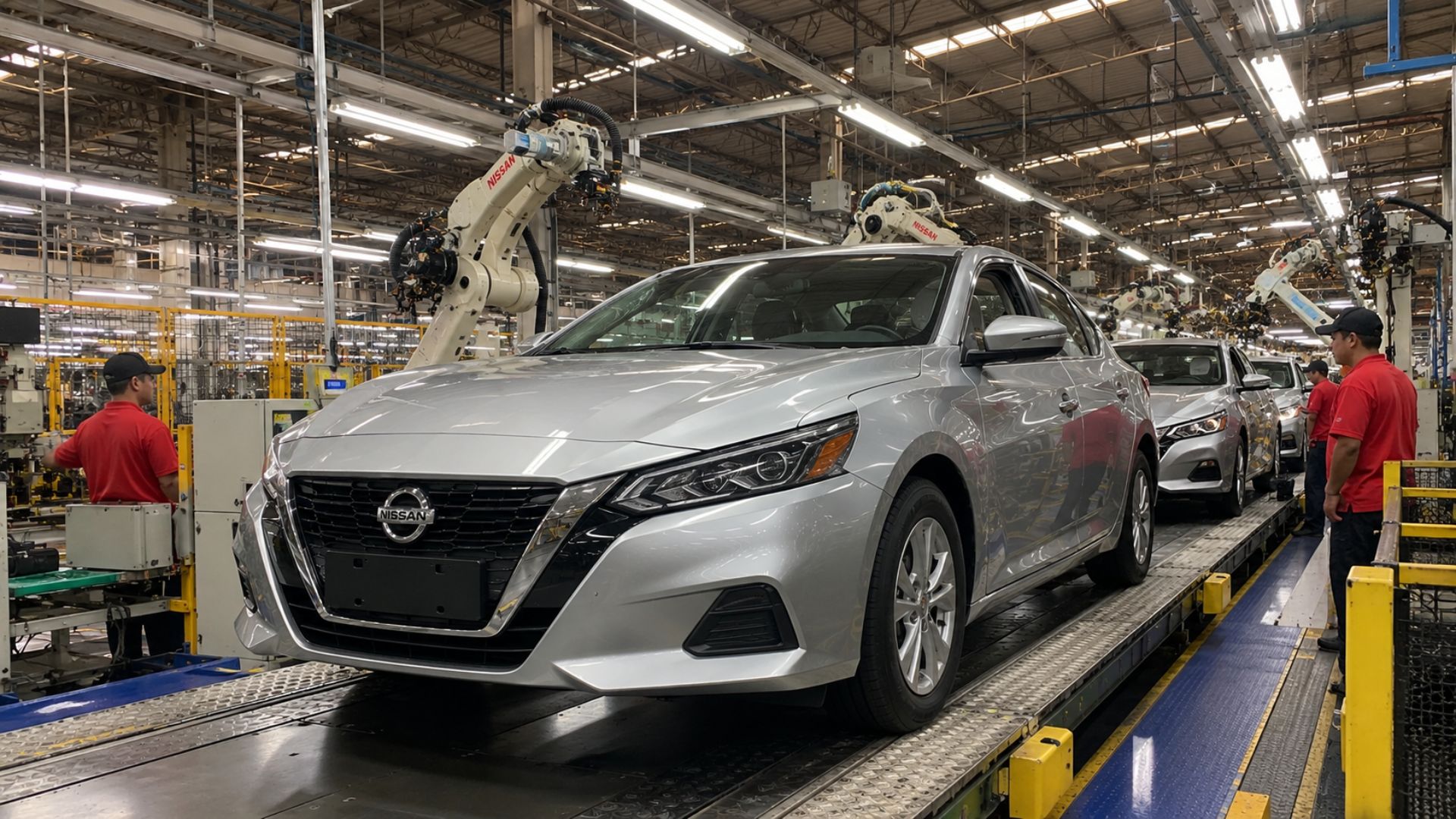


In light of this scenario, Fiat will stop manufacturing vehicles in the municipality of Betim (MG) for a period of ten days, given the insufficient quantity of parts at the factory to maintain production. Last Friday (24), workers on the automobile lines went on collective vacation, while, on the engine and transmission lines, the vacations began on Monday (20).
Volkswagen, for its part, will face another shutdown at its factory in São Bernardo do Campo, in the ABC region of São Paulo, starting next Monday. Last month, the factory had already interrupted production for a period of 20 days and, this time, will cease operations for only 10 days. The return is scheduled for July 7, but with working hours reduced by 24% and a 12% salary cut, according to information from the ABC Metalworkers Union.
Moreover, the Volkswagen factory in Paraná, where the T-Cross sports utility vehicle (SUV) is produced, also expects a three-week shutdown during the next month, from the 4th to the 23rd.
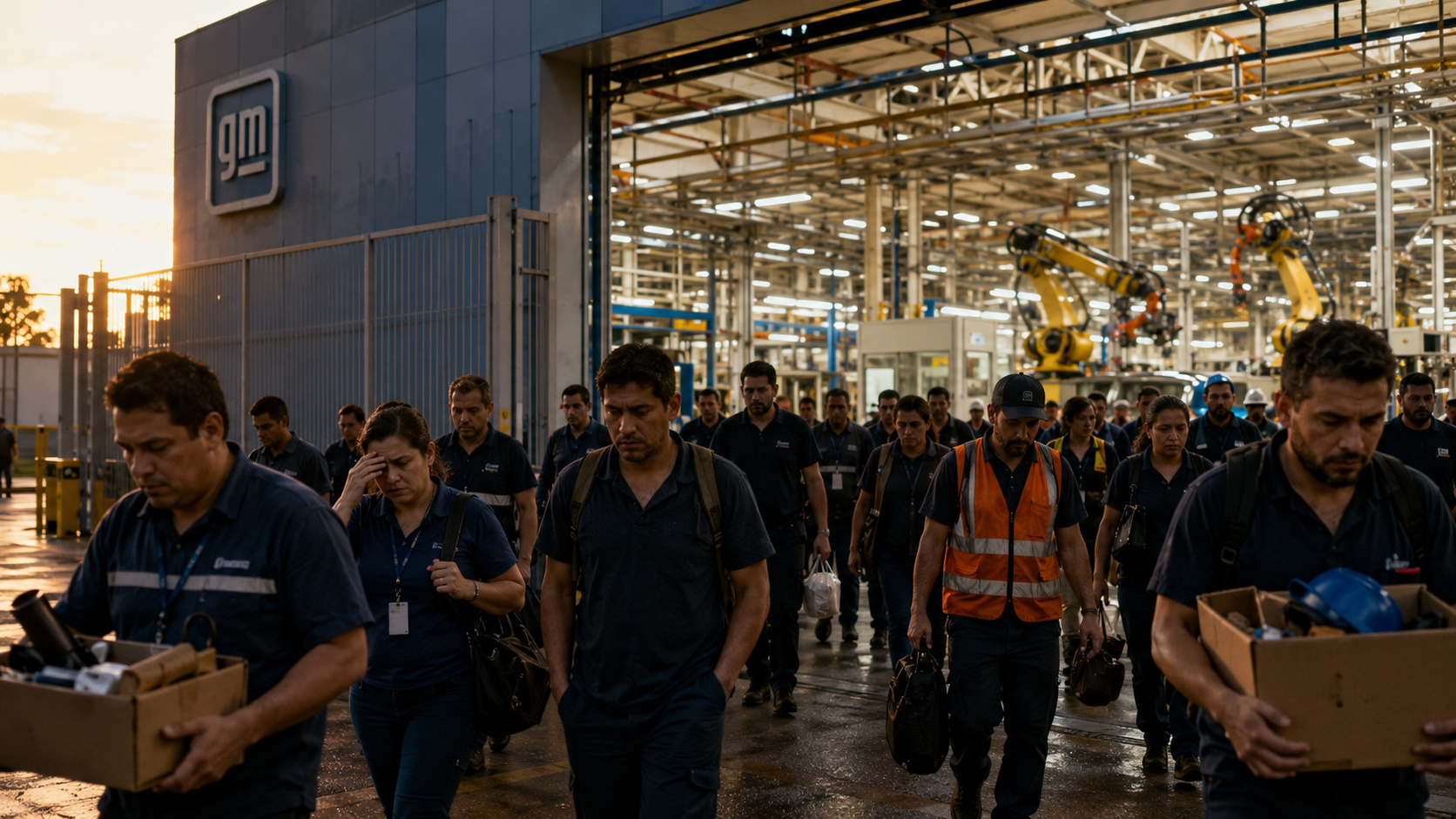
Finally, GM, according to reports from the unions, did not produce the Onix in Gravataí (RS) last Tuesday (21), and has also suspended activities at the factory line in São José dos Campos (SP), where the TrailBlazer SUV and the S10 pickup are assembled, from last Wednesday (22) to last Friday (24).
Vehicle Production Losses Already Reach 1.6 Million
The Brazilian industry, since the beginning of the pandemic, has ceased to manufacture an average of 1.6 million vehicles. According to calculations from the National Association of Motor Vehicle Manufacturers (Anfavea), in 2020 alone, there was a loss of 1.14 million units.
However, that year, the shutdowns of automakers were due to measures to prevent the spread of COVID-19. In 2021, the reason for the shutdowns was related to the lack of components for production, and about 370,000 vehicles were not produced. The General Motors factory in Gravataí (SP), for example, was closed for almost five months.
According to Anfavea, this year, until May, there had already been 16 factory shutdowns, which corresponds to 331 days without activities. In the meantime, 150,000 vehicles were not produced. At the start of the pandemic, the automotive sector employed 107,000 workers, and currently, it employs 101.8 thousand, representing a reduction of 5.2 thousand.
From this perspective, consultant Cássio Pagliarini from Bright Consulting analyzes that, had the growth rate of the Brazilian market remained similar to that recorded between 2016 and 2019, averaging around 9% to 10% per year, domestic sales would now be reaching 3.3 million units. However, Anfavea forecasts that, at most, 2.3 million units will be reached.
Pagliarini also states that the loss of production and sales is linked to a series of factors, such as the pandemic crisis, the lack of supplies, the war in Ukraine, logistics problems, rising commodity and automobile prices, and political instability.
Automotive Industry Had Shown Recovery in Recent Months, However, the Situation Has Deteriorated Again
In the last two months, particularly in May, the automotive industry showed signs of recovery, with automakers recording the best production of the year.
Thus, and also in light of the relaxation of restrictions in Shanghai, Anfavea’s management assessed at the beginning of the month that the supply of electronic components has slowly become less concerning.
However, so far, the lack of parts has continued to cause shutdowns, which indicates that the issue will not be resolved anytime soon.
Regarding the electronics sector, most business owners have already dismissed the idea of normalizing supply by the end of the year. According to a study conducted by Abinee, an entity representing this industry, 57% of factories producing items such as cell phones, laptops, and televisions had their activities affected last month by the shortage of electronic components.
This percentage is the highest since February of last year, when the research on the damages suffered by the electronics industry due to the global chip shortage began to be conducted.
Three in four factories that manufacture products that rely on semiconductors continue to face difficulties in sourcing these inputs in the market. Consequently, many have been seeking alternative suppliers, even at higher prices, and renegotiating delivery times with customers, among other measures to try to navigate the problem.