Portuguese
  Spanish


Forgotten Fruit Revives with Family Project That Values Historical Flavors and Attracts Visitors for Adoption of Elberta Peach Trees
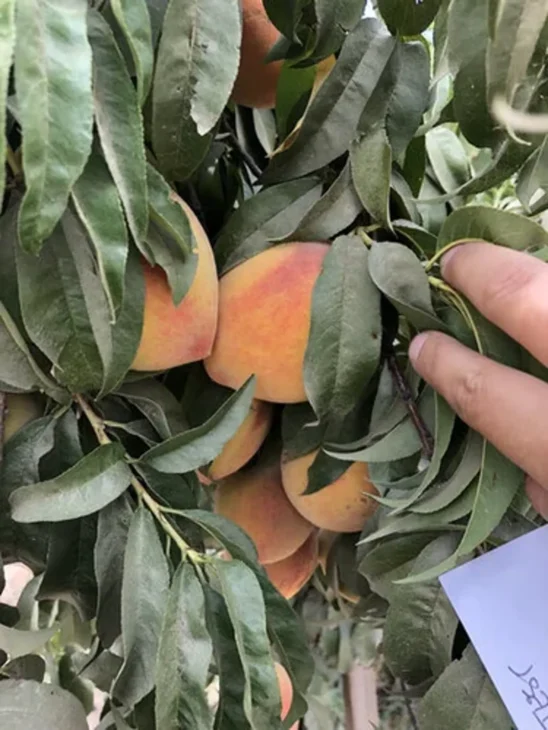
A sustainable and cultural action has been drawing attention in the United States since the harvest began in May 2025. Masumoto Farm, located in California, has become a symbol of rare fruit preservation by recovering the cultivation of the Elberta peach — a traditional variety that almost disappeared from the market.
The project, created in 2025 by David Mas Masumoto and his daughter Nikiko, offers a unique experience: anyone can “adopt” an Elberta tree and harvest the fruit directly from the orchard during the harvesting period. This initiative combines family farming, food history, and environmental awareness in one space.
Project Rescues Nearly Extinct Historical Variety
The Elberta was developed in the 19th century by horticulturist Samuel E. Rumph in Georgia, and for decades dominated orchards in the U.S. due to its firm flesh and sweet flavor. However, over the years, the rise of more standardized fruits for the market and a focus on transport durability pushed Elberta off the shelves.
-
Young Innovator Develops Low-Cost Synthetic Skin Using Buriti Oil to Aid Burn Victims, Gains International Recognition in the U.S.

-
Robot Developed to Navigate Sewers and Prevent Blockages and Flooding in Brazil

-
17-Year-Old Brazilian Develops AI to Aid Students with ADHD and Dyslexia, Capturing Google’s Attention with Flexia
-
Internet Cables Installed Under Cities Detect Over 100 Water Leaks in Three Months, Cover 650 Kilometers, and Help Save 2 Million Liters Daily


According to U.S. agricultural records, the variety has seen a severe decline in the last three decades. As a result, the work of Masumoto Farm has been recognized by sustainable food institutions such as Slow Food USA and universities studying the agricultural heritage of the country.
Tree Adoption Transforms the Way of Consumption
With the “Adopt a Tree” program, the Masumotos have created an innovative way to connect consumers to the land. Participants pay a fixed fee to reserve an Elberta peach tree. When the harvest period arrives in mid-May, each family visits the property, harvests their own fruit, and participates in educational agricultural activities.
This model brings the public closer to the origin of their food, encourages conscious consumption, and keeps alive an agricultural heritage that is almost lost. According to the University of Davis in California, the project has inspired similar initiatives in other regions of the country.
Sustainable and Educational Impact of the Model
In addition to recovering the Elberta variety, the farm prioritizes organic cultivation techniques and regenerative soil management. The practices avoid the use of pesticides and respect the natural cycles of the land, according to the guidelines of the California Certified Organic Farmers (CCOF), the entity regulating organic production in the state.
Moreover, visits to the farm include workshops on agroecology, community planting, and the importance of protecting native or neglected fruits. According to Nikiko Masumoto, the proposal goes beyond harvesting. “It is a rescue of stories, flavors, and memories that do not fit on supermarket shelves,” she states.
Tradition and Innovation Meet in the Field
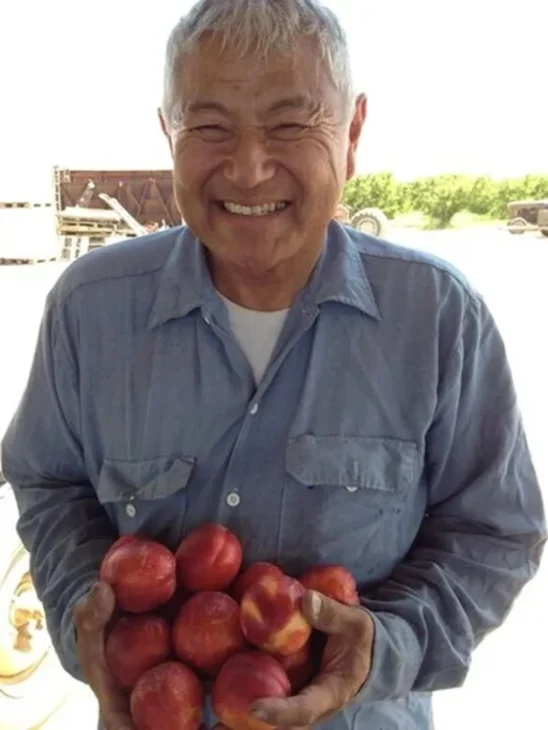
The Masumoto family represents four generations of Japanese-American farmers who settled in California after World War II. Therefore, the rescue of the Elberta also holds an identity value. Since 2025, the farm has increased the number of adopted trees and has already attracted families from various states in the U.S., transforming the location into a national reference for purpose-driven agriculture.
According to a survey by the agricultural newspaper Fresno Bee, the number of visitors doubled between 2023 and 2025, reflecting the growing interest in authentic agricultural experiences.
Model Inspires Policies and Future Generations
The U.S. Department of Agriculture recognized in a June 2025 report that the model developed by Masumoto Farm could serve as a reference for rescuing other threatened varieties. Meanwhile, local schools have included the program in their science and food curricula, promoting educational visits that teach from cultivation to the cultural history of fruits.
Furthermore, movements of young farmers are using the model as a basis for projects in states such as Oregon, Arizona, and Colorado.
Lessons That Go Beyond the Farm Fence
The success of the Elberta is not just about the fruit. It represents a movement of food resistance, reconnection with the land, and appreciation of true flavor. And all this happens without aggressive marketing or exaggerated promises — just with consistency, family values, and decades of work.
The example of the farm shows that it is possible to do agriculture with identity, respect for the environment, and a focus on transformative experiences.
After all, do you prefer fruits that are perfect in appearance or authentic in taste and history? Share your opinion!