Portuguese
  Spanish


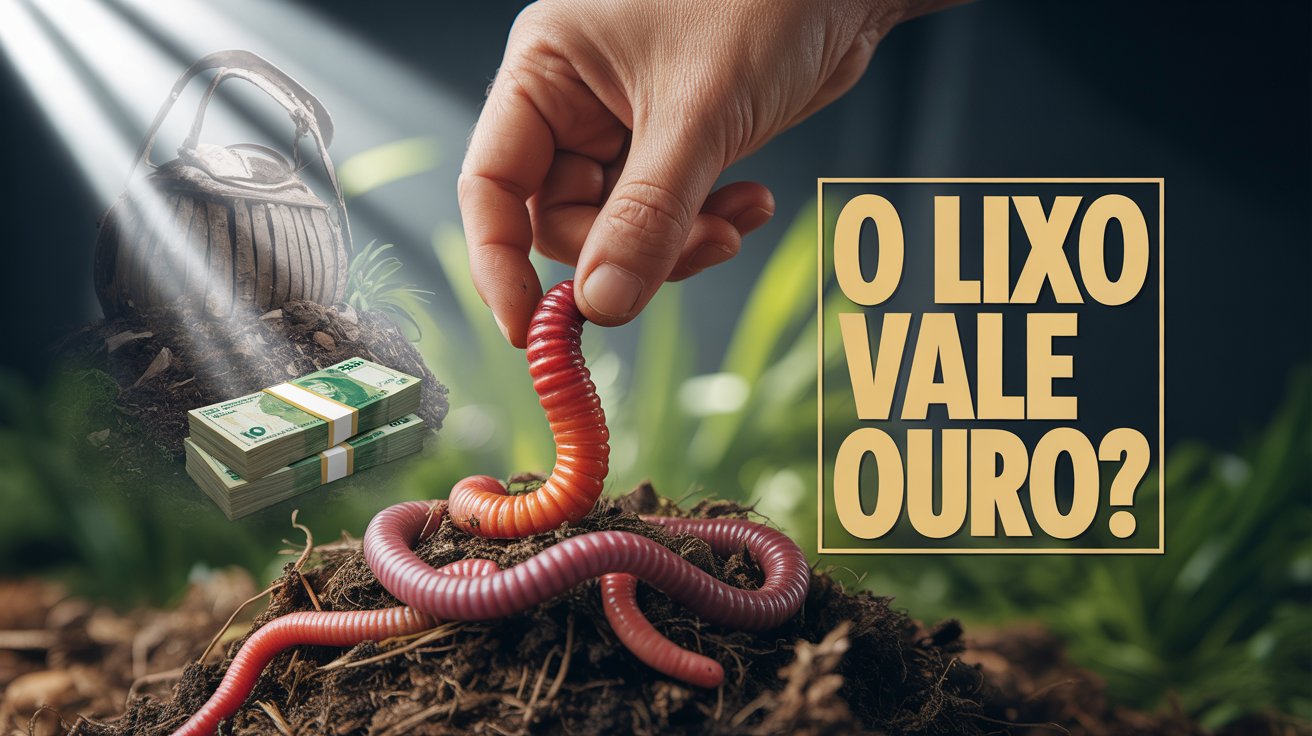


A Discreet Activity Revolutionizes Waste Treatment, Moving Billion-Dollar Figures in Brazil. Companies and Municipalities Discover an Unexpected Source of Wealth and Environmental Solutions.
A discreet activity, but with monumental impact, moves billions of reais in Brazil while solving one of the country’s biggest environmental bottlenecks: the disposal of organic waste.
Far from soybean plantations or cattle, an unexpected and rapidly expanding sector transforms waste into high-quality fertilizer.
It creates, for investors, a surprising source of income.
-
Chinese Farmers Develop “Blanket Greenhouses” to Grow Vegetables in Extreme Winter Without Heaters

-
Centuries Before Modern Greenhouses, English Gardeners Used Horse Manure to Grow Pineapples in Cold Climates

-
Sugarcane Cultivation in India: A Symbol of Water Stress and Environmental Strain Amidst Global Demand for Sugar and Green Fuel
-
Innovative Farm in Northeastern Brazil Combats Drought with Advanced Techniques, Aiming for 10,000 Liters of Milk Daily Production


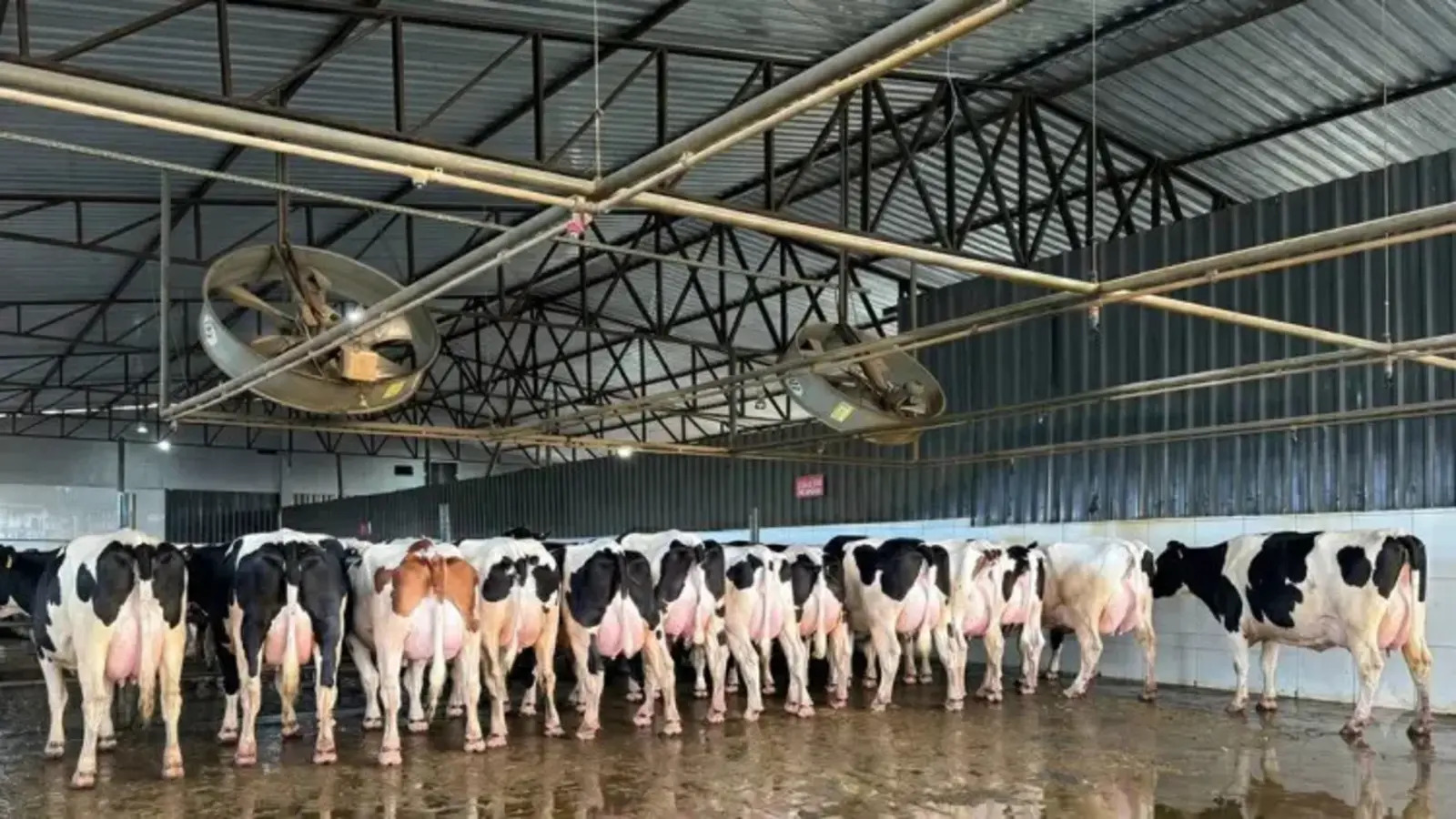
This is the face of industrial vermicomposting, which companies and municipalities use to redefine the Brazilian green economy.
Process That Generates Wealth for the Soil
Industrial vermicomposting uses earthworms, especially those of the species Eisenia fetida, commonly known as the California worm.
They convert large volumes of organic matter into highly valuable fertilizer.
Unlike home composting, this industrial-scale process deals with tons of waste.
This waste comes from various sources, including urban organic waste, crop residues, and even industrial effluents.
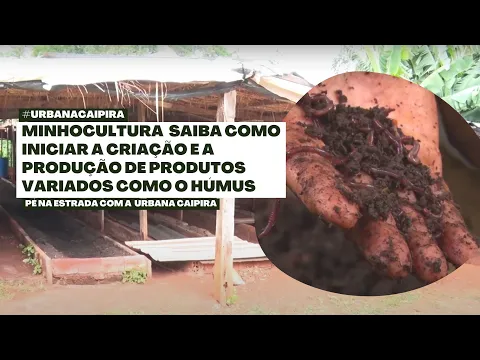

The earthworms act as true biological machines.
They digest the waste and release worm humus, a material rich in essential nutrients and beneficial microorganisms for the soil.
This final product is not just a fertilizer.
It is a soil conditioner that improves soil structure, increases its capacity to retain water and nutrients, and suppresses plant diseases.
Therefore, humus is highly valued in agribusiness, especially in high-value crops such as fruits, vegetables, and organic products.
The organic fertilizer market in Brazil could generate over R$ 30 billion by 2030, driven by these solutions.
This is the estimate from reports in the bioproducts and environmental solutions sector, highlighting the billion-dollar potential of these “farms“.
Trash to Profit: Environmental and Economic Solution
Industrial vermicomposting fits perfectly into the concept of circular economy.
It diverts a massive amount of waste from landfills.
Reducing the volume of waste in landfills means fewer greenhouse gas emissions, such as methane, generated from the anaerobic decomposition of waste.
For municipalities and industries, this practice also represents a significant reduction in disposal costs.
Moreover, the production of humus creates a new value chain, generating jobs and income.
Brazilian companies like Morada da Floresta in São Paulo and Minhocultura Tropical in Paraná are examples of businesses that have scaled vermicomposting.
They process hundreds of tons of waste per month, transforming it into high-quality fertilizer.
Many of these companies supply not only large rural producers but also nurseries, flower shops, and end consumers interested in sustainable gardening.
This diversity of clients demonstrates the strength of the market.
Municipalities and Cooperatives: Innovation Hubs
Diverse Brazilian municipalities have found in vermicomposting an efficient solution for treating organic waste.
The city of Itajaí in Santa Catarina, for example, implemented a pilot project for composting organic waste.
The project involved community and local business participation, with promising results.
In other locations, cooperatives of recyclable material collectors are training to include selective collection of organics and vermicomposting in their activities.
This not only increases the income of members but also elevates their dignity and social role.
Research institutions and universities, such as the Federal University of Lavras (UFLA) in Minas Gerais, actively contribute to the advancement of vermicomposting.
They conduct studies on the best species of worms, process optimization, and application of humus in different crops.
The union of science and practice drives sustainability in the country.
Challenges and the Future of This Innovation
Despite its great potential, industrial vermicomposting faces challenges.
The logistics for collecting and transporting large volumes of organic waste is still a critical point.
Another obstacle is the need for initial investments and the awareness of the population and public managers about the benefits of the process.
However, the outlook is highly positive.
The growing global demand for organic products and the pressure for more sustainable solutions for organic waste disposal drive the sector.
Public policies on solid waste, such as the National Solid Waste Policy (PNRS), established by Law No. 12.305/2010, encourage composting and valorization of organic matter.
This creates a favorable environment for the continuous growth of the “worm farms”.
Brazil has immense potential, considering the vast generation of organic waste in its cities and the agricultural sector.
Industrial vermicomposting is more than just a waste treatment technique.
It represents an innovative, sustainable business model that generates a positive impact on multiple fronts.
This type of worm farm is not just a curiosity; it is an economic and environmental reality.
Have you ever imagined that something as small as a worm could be the key to a more sustainable and economically prosperous future for Brazil?