Portuguese
  Spanish


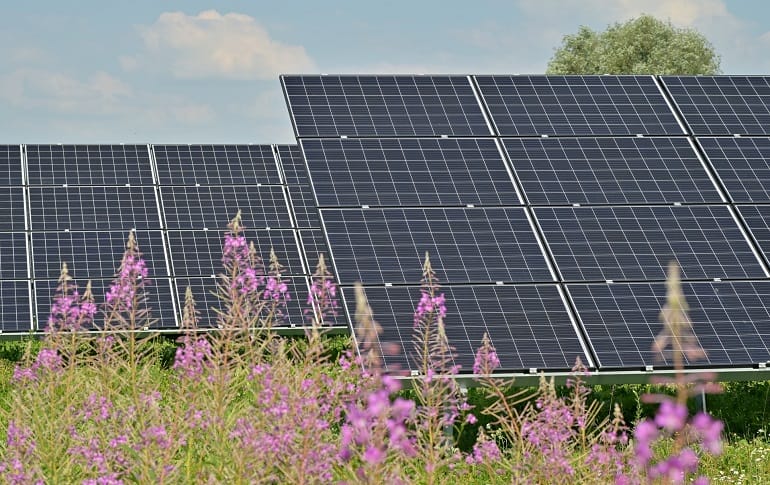

Bullstown Project: First of a Series of Photovoltaic Projects from Developers Worth 200 Million Euros, Focused on Renewable Generation.
One of ESB’s most noteworthy projects is the construction of the Bullstown solar farm, located southeast of Ashbourne, in County Meath. With an investment of €13 million, the 8.5 MW project is scheduled to begin construction in early 2024. The connection to the electrical grid will be made via a short cable length at the existing 38kV Ashbourne substation, adjacent to the site. Before construction begins, a detailed traffic management plan will be agreed upon with the Meath County Council, demonstrating ESB’s commitment to safety and minimal impact on the local community.
The construction of the Bullstown solar farm is just the first of three fully-owned solar parks being developed by ESB, representing a total investment of nearly €200 million. ESB’s Net Zero strategy by 2040 includes a commitment to deliver more than a fivefold increase in renewable generation capacity to 5GW, with solar energy playing a significant role alongside offshore and onshore wind projects, batteries, and green hydrogen projects. The Bullstown solar farm is part of ESB’s sustained campaign to develop and build a large portfolio of utility-scale solar farms throughout the central, southern, and southeastern regions of the country, moving towards the ultimate goal of achieving Net Zero by 2040.
Solar Farm: Renewable Energy Development Project
The development of solar farms has proven to be an important strategy for renewable energy generation. The contract for the construction of a new solar farm has recently been signed, and the substation is in the final stages of installation.
-
Giant Batteries Take Center Stage in Chile Auction as Company Offers 960 GWh of Solar Energy for Nighttime Use, Aiming to Stabilize Solar Power Supply

-
After a Year of Success in Switzerland, Solar Railway Attracts Italy’s Interest for Clean Energy Transformation
-
Robots Clean Solar Panels in Desert Power Plants Without Water, Preventing Energy Losses
-
Brazil’s Offshore Wind Energy Potential Worth $1 Trillion Stalled by Long-Delayed Agreement

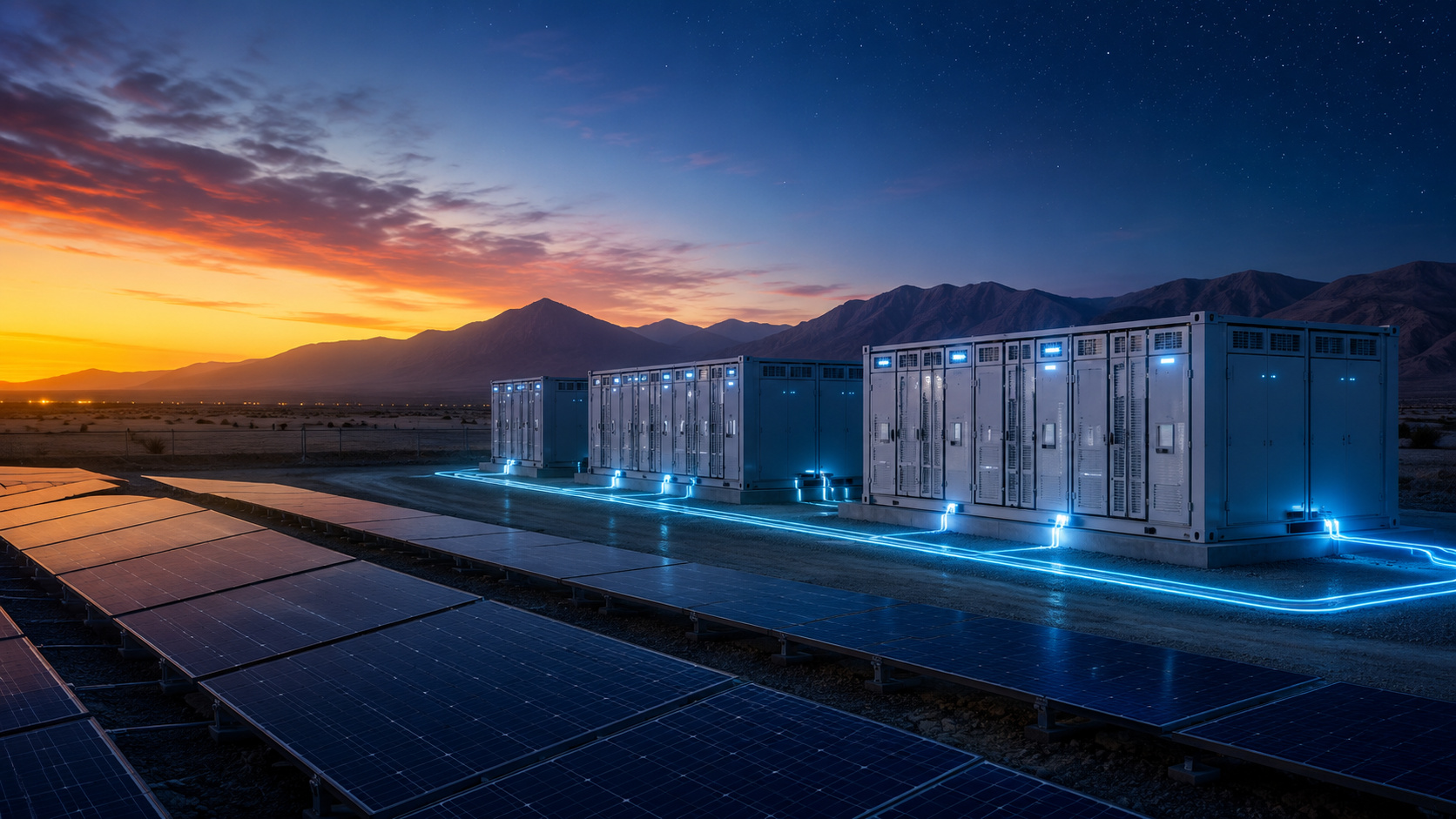
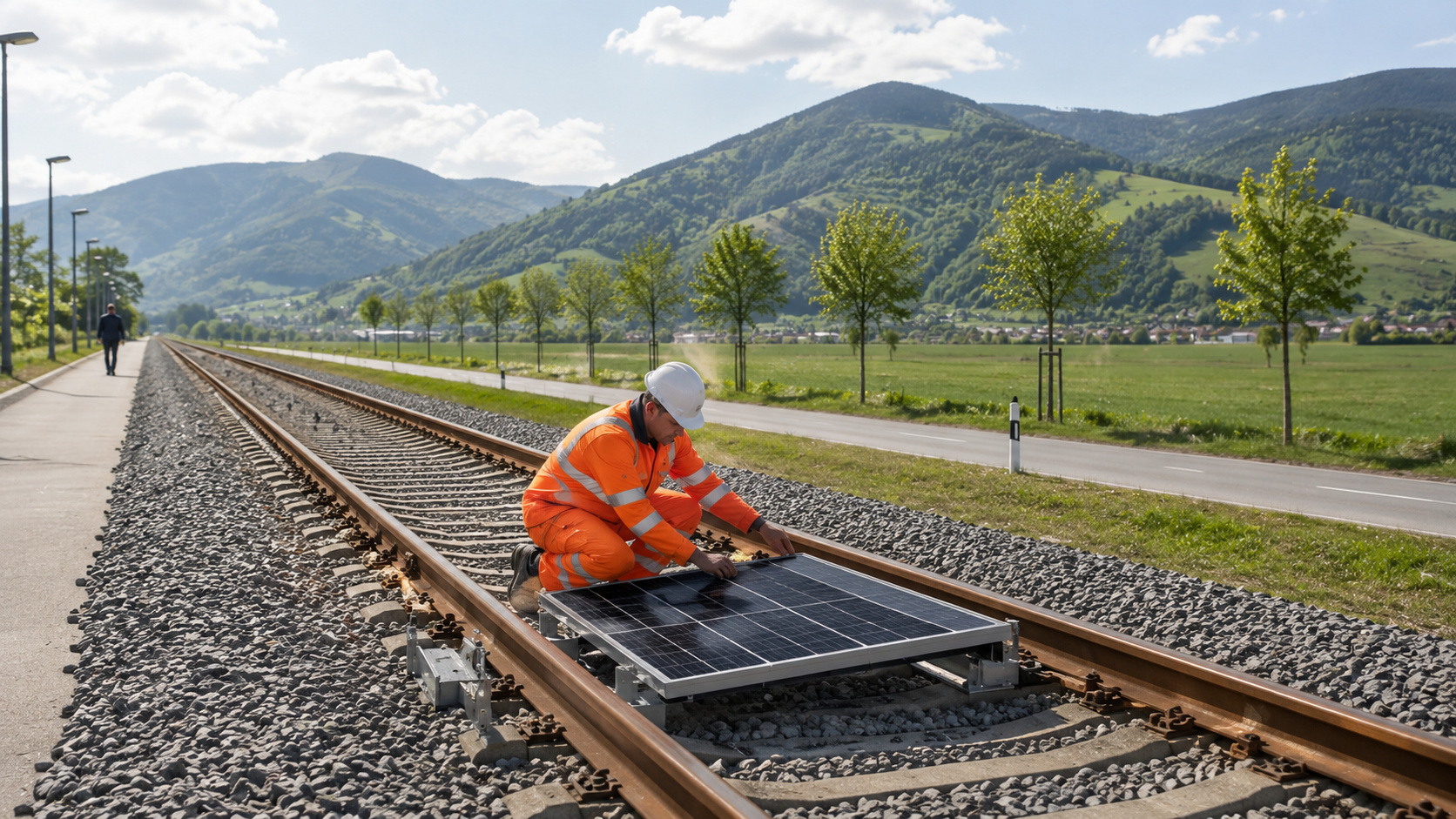


Solar Parks and Local Communities: Impact of Renewable Generation
Solar farms have positively impacted local communities, contributing to decarbonization and reducing reliance on non-renewable energy. The solar farm construction project is being carried out in partnership with European suppliers, strengthening the strategy of diversifying energy sources.
Solar Farm: Investment and Sustainability
The investment in the solar farm represents an important step towards energy sustainability. The construction of the solar farm aligns with decarbonization and emission reduction goals, and has generated jobs and business opportunities in local communities. Furthermore, the solar farm has the potential to increase the share of renewable energy in the energy mix, contributing to the security and stability of the electrical system.
Source: © Re News.Biz