






 Portuguese
  Spanish
  4 min of reading
  0 comments


New Social Tariff Transforms Access to Electricity in Brazil, Reaching Millions with Unprecedented Benefits. The Measure Proposes Profound Changes in the Electricity Sector That May Alter the Market and the Lives of Low-Income Families.
Millions of Brazilians have started receiving already paid electricity bills at their homes, thanks to a federal government measure signed by President Lula in May 2025.
The new Social Electricity Tariff will benefit over 60 million people, ensuring partial or total exemption for low-income families registered in CadÚnico.
According to the Provisional Measure for the Reform of the Electricity Sector, signed on May 21 by the president, the benefit covers families with a per capita income of up to half the minimum wage who consume up to 80 kWh per month.
-
Federal Police involved in the case to identify the person responsible for hacking the Civil Defense system, which sent ten false alerts, frightened residents of different capitals, and turned messages about real risks into notifications with “misanthropy” and even alien attacks.

-
Extreme drought causes ghost village to reappear at the bottom of the reservoir that supplies Athens, revealing houses, a school, and ruins swallowed since the 1980s as the lake shrinks and exposes the water crisis threatening the capital of Greece.

-
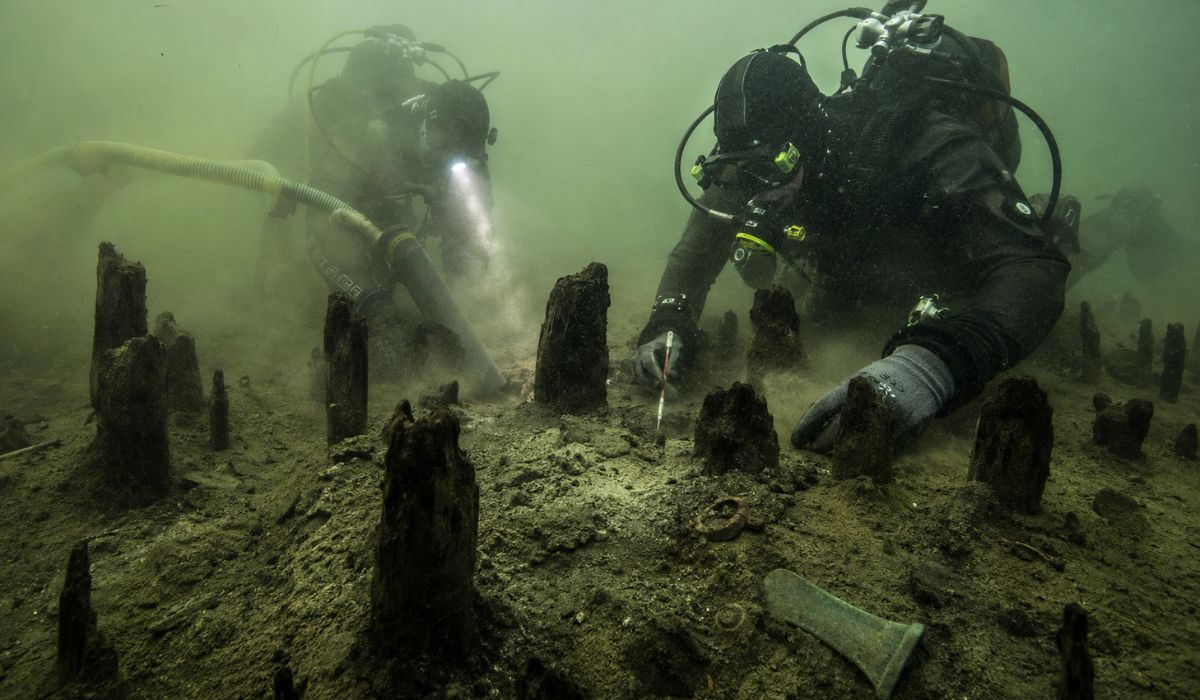
An entire village lay asleep at the bottom of a lake for 3,000 years: divers suction sediments in Italy and reveal more than 600 wooden stakes, bronze tools, and traces of a Bronze Age settlement hidden underwater.
-
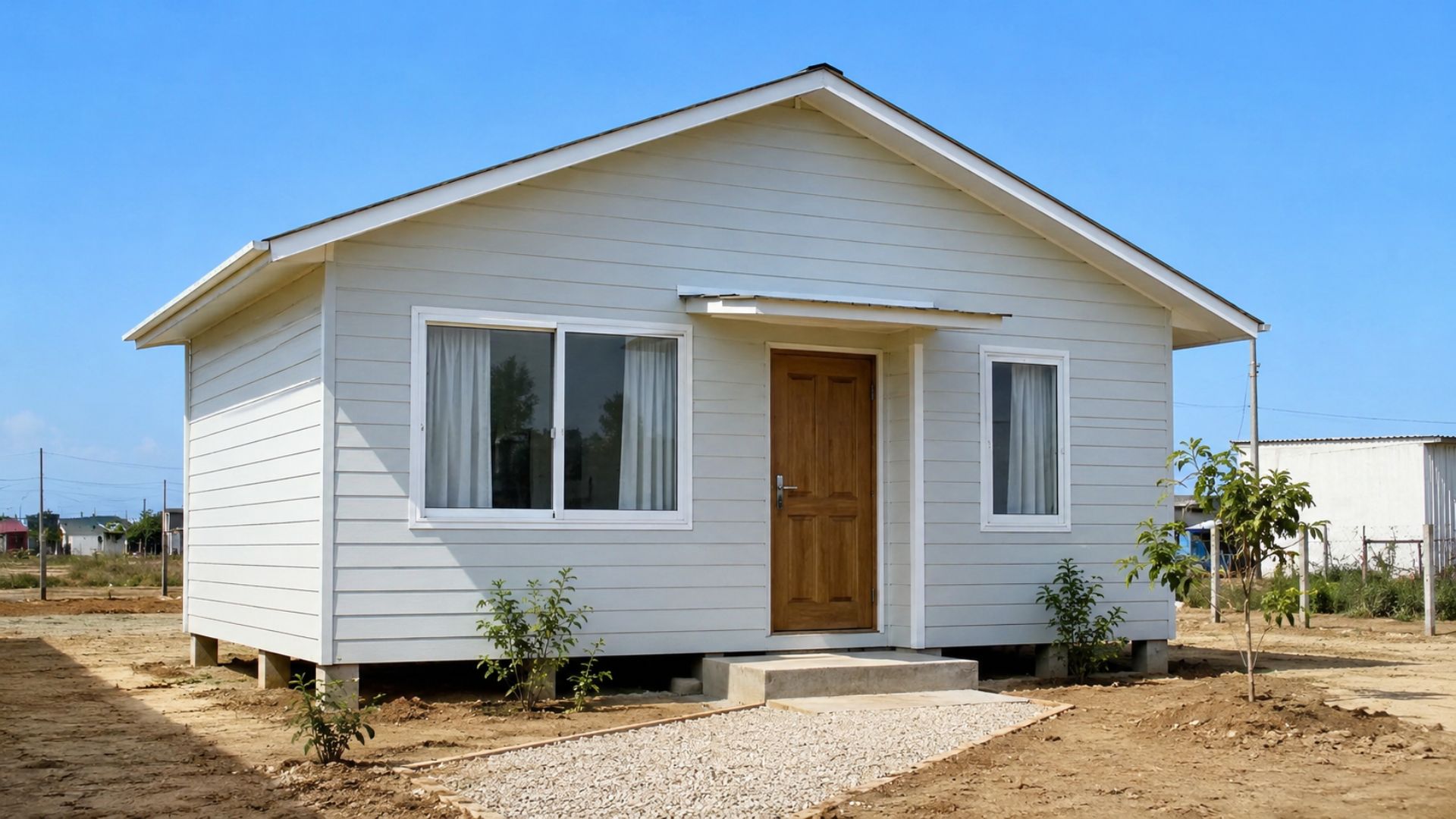
They call it the “Shopee house” and even cardboard, but the R$ 20,000 house is a certified Wood Frame from Alea, financed by Minha Casa Minha Vida: understand if it’s worth more than masonry.


In this case, the consumption within this limit will be completely free, which may directly impact the lives of about 16 million Brazilians.
In addition to this group, the proposal includes traditionally vulnerable groups, such as people with disabilities and elderly beneficiaries of BPC (Continuous Cash Benefit), indigenous and quilombola families registered in CadÚnico, as well as residents in communities served by isolated energy systems, known as offgrid modules.
If consumption exceeds the 80 kWh limit, the charged amount will be proportional to the excess, allowing families to have more control and predictability over their energy expenses.
For those with a monthly income between half and one minimum wage per capita who consume up to 120 kWh, the measure grants exemption from the Energy Development Account (CDE), a charge that is part of the tariff and finances public policies for the sector.
Lula Government and Commitment to Energy Access
During the signing of the measure, President Lula emphasized the government’s commitment to universal access to energy.
“We want to ensure that electricity reaches people in a more accessible and affordable way, especially for those with small businesses or individual enterprises.”
The Minister of Mines and Energy, Alexandre Silveira, highlighted that the reform is a decisive step for social justice and the modernization of the sector.
“Today is a very important day for the economic and social development of the country, with measures that correct distortions, benefit the middle class, and promote the reduction of energy costs for low-income consumers,” he stated.
More than social benefits, the Provisional Measure brings structural changes that expand consumers’ freedom to choose their energy source, paving the way for healthy competition among different generators.
Electricity Sector Reform and Consumer Freedom
“We want tariff justice, market opening, and the end of the monopoly of a single source for supplying energy in the regulated market,” Silveira explains.
“With this, consumers will have the power to choose where to buy their energy, promoting competition that will lower prices and increase efficiency.”
This gradual market opening is set to begin in August 2026, initially for industries and commerce, extending to other consumers in December 2027.
The government explains that the changes come after extensive consultation with experts, sector agents, and civil society representatives, responding to transformations in consumption patterns, the expansion of renewable sources, and the need for fairer tariffs.
Furthermore, the Provisional Measure text provides mechanisms to neutralize the financial impacts of exemptions and discounts, promoting a more balanced distribution of costs among consumers and sectors.
Measures for Financial Balance of the Electricity Sector
Among the measures to ensure the balance of the system are the redistribution of costs related to the nuclear plants Angra 1 and Angra 2, the reduction of charges for incentivized energy consumption, and a better definition of self-production, which is the generation of energy by consumers themselves.
According to the Ministry of Mines and Energy, these actions are essential to make the electricity sector more modern, efficient, and competitive, attracting investments that will contribute to Brazil’s energy transition, aligned with an increasingly clean and sustainable matrix.
Another important point of the reform is the creation of mechanisms that favor the negotiation of debts in the energy market, as well as special discounts for specific uses, such as irrigation and aquaculture.
There are proposals to relax consumption in these sectors and make use of the surplus generation during certain times of the day.
Social Inclusion and Sustainability of Electricity in Brazil
The new Social Tariff and the structural reforms arrive at a time when Brazil seeks to expand social inclusion and ensure that energy, a basic service, is within reach of the most vulnerable sectors of the population, without compromising the system’s balance or the financial sustainability of the sector.
Now, the text of the Provisional Measure goes to the National Congress for analysis, where it will be debated and voted on.
The Ministry of Mines and Energy will monitor the entire process, providing clarifications to parliamentarians and regulatory bodies, so that the implementation of the measures is gradual and respects existing contracts, ensuring legal security for consumers and businesses.
With the end of the electricity bill for millions of Brazilians, what do you think should be done to ensure that this public policy is sustainable in the long term and truly benefits all those in need?



-

1 person reacted to this.