






 Portuguese
  Spanish


In June 2025, an Unprecedented Decree Sends Generals to Beijing and Opens Doors for Tanks, Fighters, and Chinese Technology, Redefining Decades of Military Alliance with Washington.
In an Unprecedented Geopolitical Maneuver, Brazil Redefines Its Defense Strategy, Turning to China. The Change Was Sealed with a Decree in June 2025, Which Authorized for the First Time in History the Permanent Presence of Brazilian Generals in Beijing. This Decision Arises as a Direct Response to Decades of Frustration with the United States, Especially Due to the Lack of Military Technology Transfer, a Pillar That the New Partnership with the Asian Giant Promises to Strengthen.
Brazilian Generals in Beijing for the First Time
The Turning Point in the Relationship Between Brazil and China Was the Official Recognition, for the First Time in History, of the Permanent Presence of Brazilian General Officers in China. The Historic Decree States That One General from the Army and Another from the Navy Will Permanently Reside in Beijing. This Measure Is One of the Most Concrete Outcomes of the Sector Meetings Begun at the End of the Previous Year, Signaling a New Era of Cooperation.
The History of Foreign Influence: From France to the United States
The Doctrine of the Brazilian Army Has Been Shaped by Two Major External Influences. The First, the French, Lasted from 1919 to 1940. Thereafter, the American Influence Began, Starting with the Granting of Bases in the Northeast in Exchange for Equipment and Training. Over the Decades, This Relationship Has Made the Brazilian Armed Forces Increasingly Dependent on the Pentagon.
-
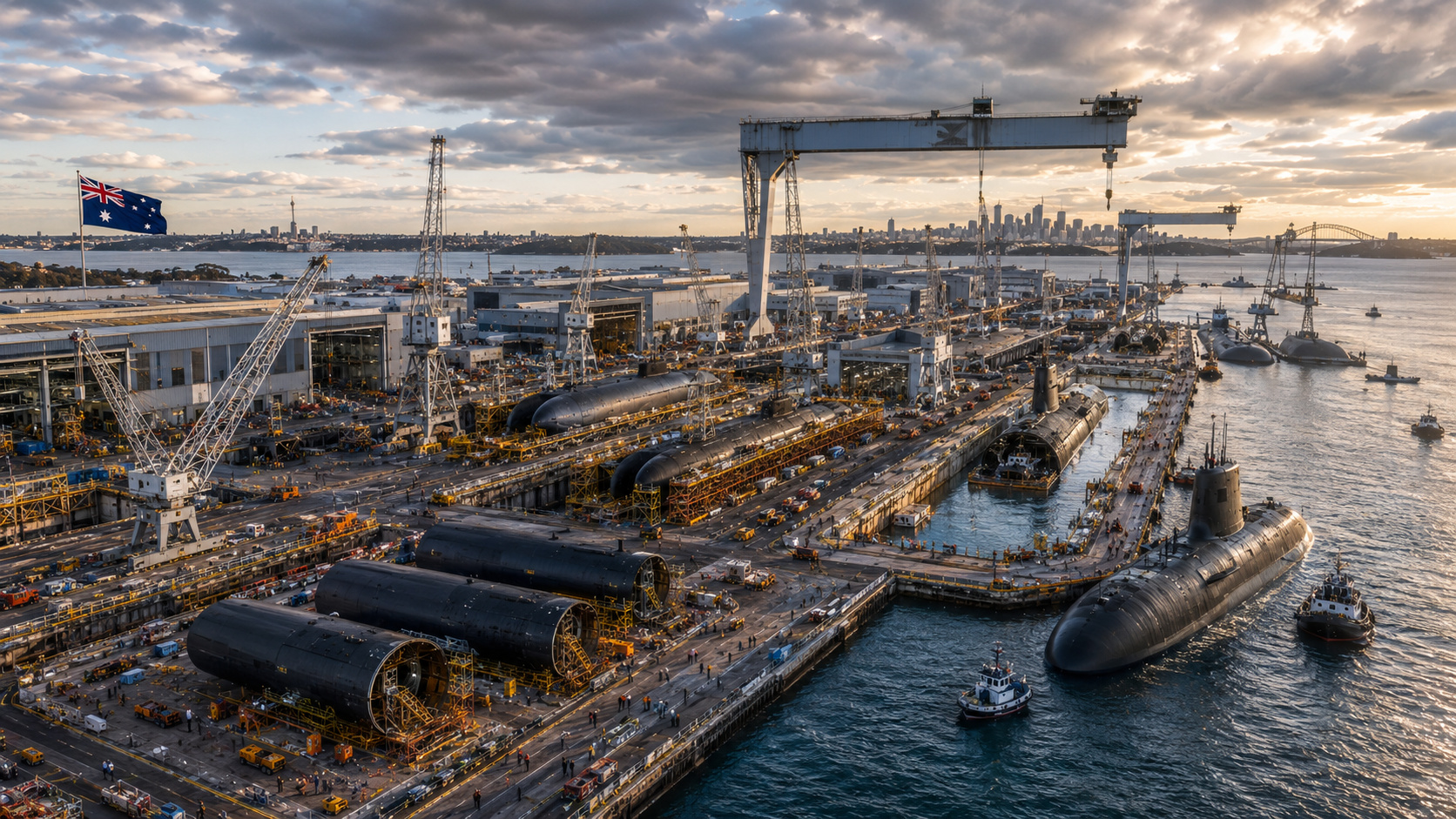
Australia to Deploy Up to 8 Nuclear-Powered Submarines in Indo-Pacific, Establishes Billion-Dollar Naval Chain Through AUKUS, Joining Elite Group Capable of Extended Underwater Missions

-
Indonesia Begins Construction of 2,000-Ton Scorpène Stealth Submarines with Advanced Weaponry and French Steel

-
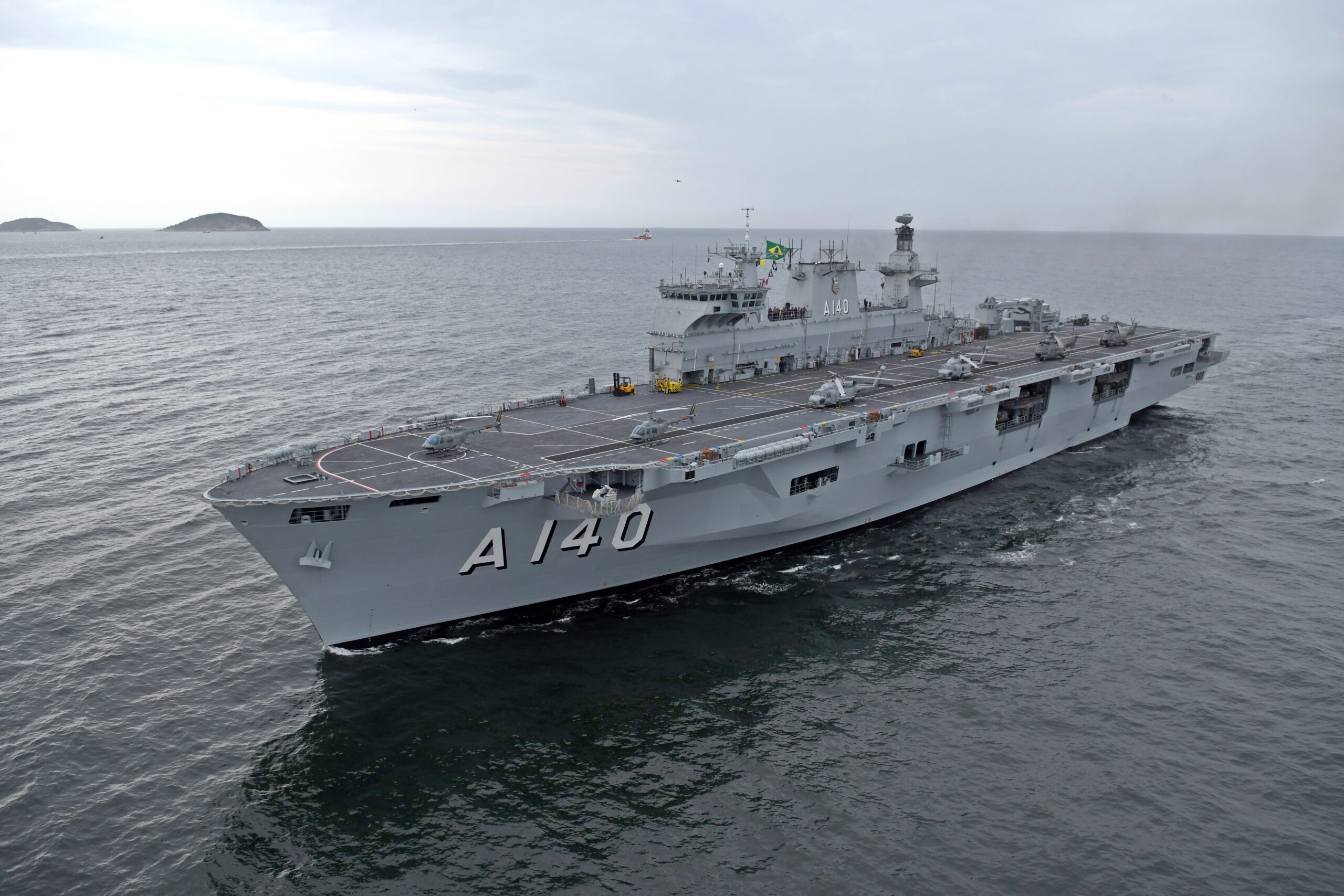
Brazil’s Largest Navy Ship, NAM Atlântico, Transforms into Field Hospital During National Crises

-
Brazilian Navy Demonstrates Strength in Naval Exercise with Over 20 Nations, Deploys Frigate Independência in Anti-Submarine and Air Defense Scenarios, and Joins Historic Formation with 26 Ships from 14 Allied Navies off the U.S. Coast



Decades of Dependency and Little Technology
Despite Several Agreements, Such as the Military Assistance Agreement of 1952 and the Defense Cooperation Agreement of 2010, the Partnership with Washington Failed at Its Most Sensitive Point. According to Industry Sources, The Most Important – Technology Transfer – Practically Did Not Occur. A Notable Example Was in 2020, When Avibras Negotiations with the U.S. Were Frustrated by Export Control Issues Based on ITAR, the Strict American Legislation for Arms and Technology.
Beijing’s Offers: Armaments and Strategic Cooperation
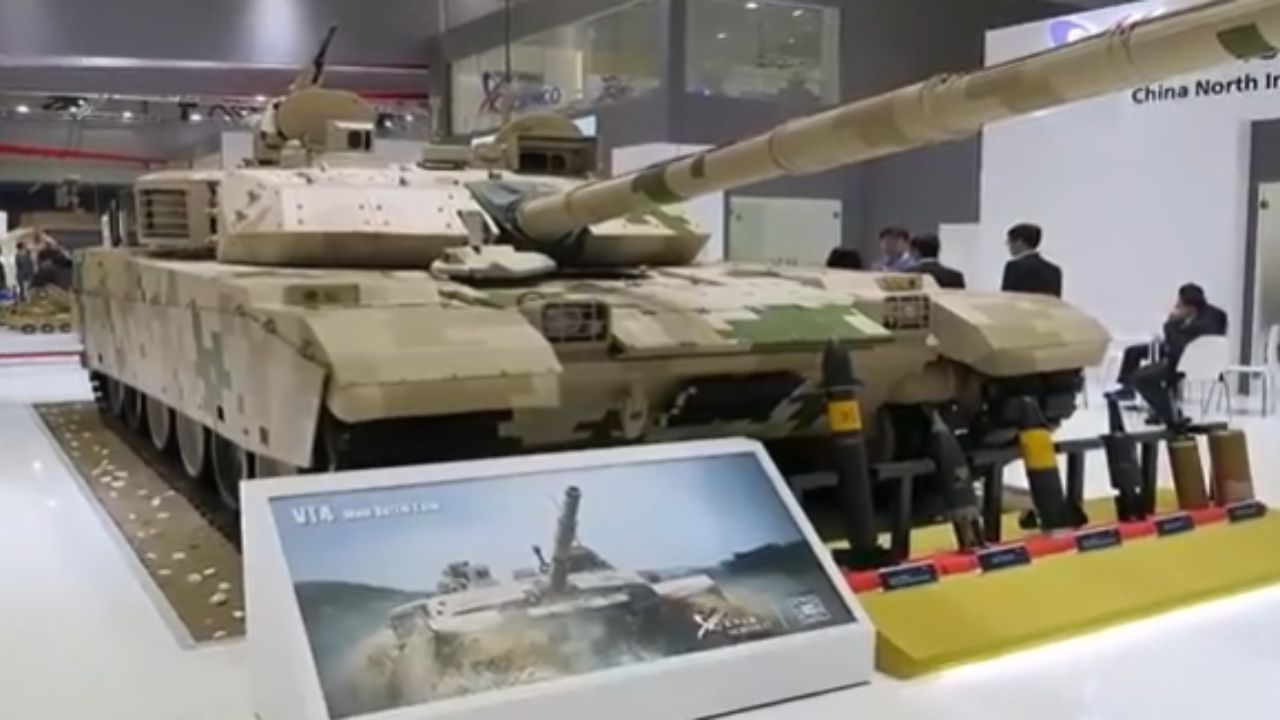
In Contrast to the American Stance, the Approach with China Has Already Yielded Concrete Proposals. Beijing Has Put on the Table a Range of Advanced Armaments, Including:
- The Main Battle Tank VT-4.
- The Infantry Fighting Vehicle VN-20.
- A Self-Propelled Howitzer, Capable of Using NATO Standard Ammunition.
- The Fighter Chengdu J-10, as a Supplementary Alternative to the Existing Fleet.
In Addition to the Military Field, the Partnership Strengthened the CBERS Satellite Program and Expanded Cooperation into Areas Such as Civil Nuclear Energy, Artificial Intelligence, and Biotechnology.
Brazil and China: A Path to Military Autonomy
This New Direction Does Not Represent an Automatic Alignment with Beijing. The Brazilian Strategy Is to Use the Competition Between Powers to Create Opportunities. By Diversifying Its Partners, Brazil Aims to Negotiate Better Conditions and, Ultimately, Gradually Gain a Greater and More Solid Military Autonomy in the Global Scenario.








여성들의 작은 행복, 마사지로 누려보세요. 이곳은 정말 보석 같은 곳이에요,
스트레스로 불면증에 시달렸는데 마사지 받고 꿀잠 잤어요. 몸의 피로가 싹 풀려서 개운합니다,