






 Portuguese
  Spanish


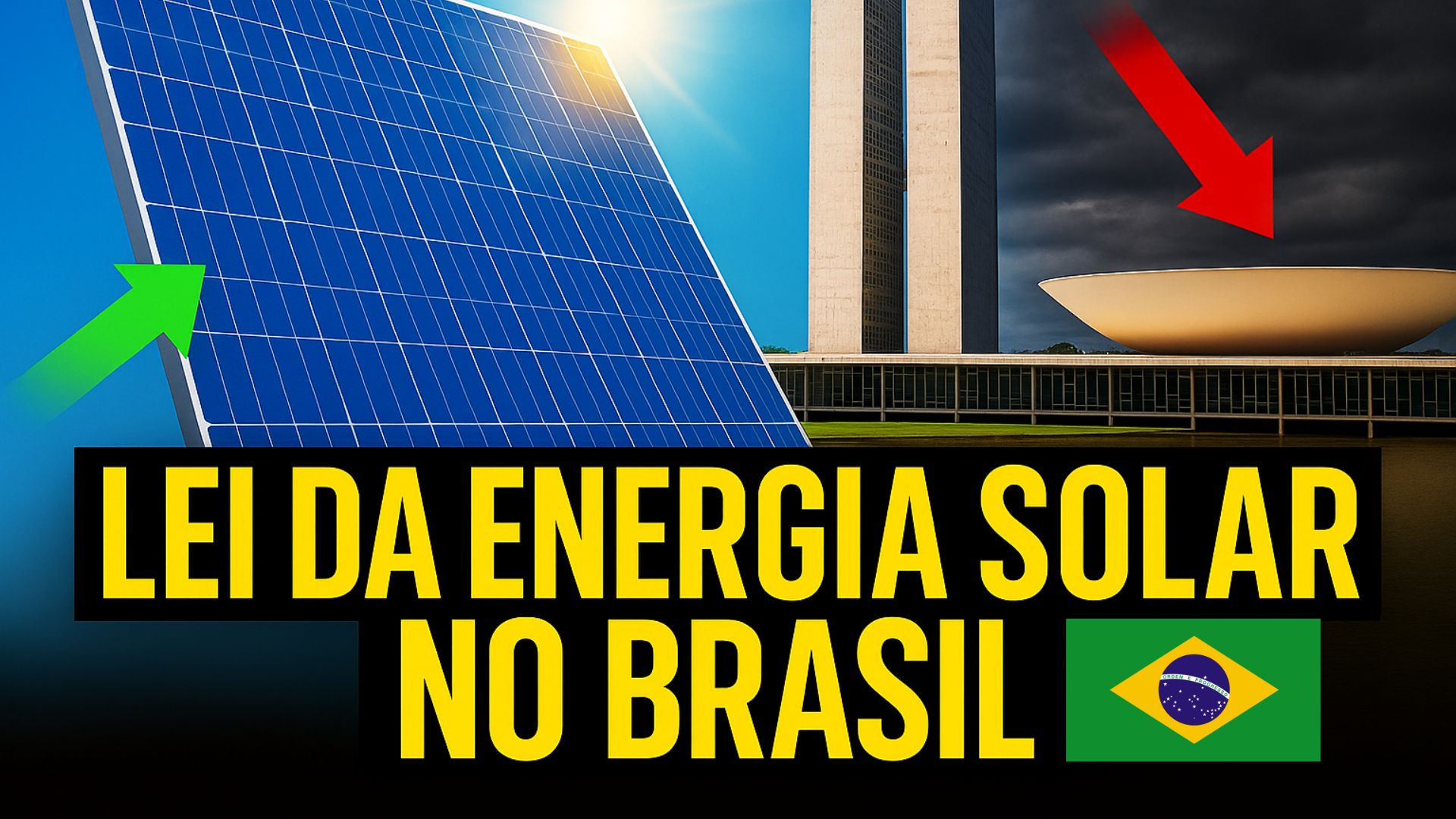


Senate Approved Measure That Expands the Social Electricity Tariff, but Removed Sections That Could Compromise Investments in Distributed Solar Generation. The Topic Sparked Mobilization in Congress and Will Continue to Be Debated in Another Provisional Measure.
The Senate approved on Thursday (18) the Provisional Measure 1,300/2025, which expands the social electricity tariff.
The text was voted on the last day of validity of the proposal, a few hours after confirmation by the Chamber of Deputies, and now follows for sanction by President Luiz Inácio Lula da Silva.
The final version removed provisions that could directly affect distributed solar energy generation, a topic that had been mobilizing parliamentarians, sector associations, and investors.
-
Axia Energia Invests $280 Million in Q1, Increases Investments by 36%, and Turns Loss into $740 Million Profit

-
California Project Aims to Store Heat Underground in Former Oil Reservoir to Generate 100 kW of Electricity for Over 12 Hours
-
French Port Harnesses Industrial Waste Heat to Power Up to 30,000 Homes
-
Belgian Port to Install Shore Power for Cruise Ships by 2027, Cutting Dock Emissions by Up to 5% and Meeting EU Regulations



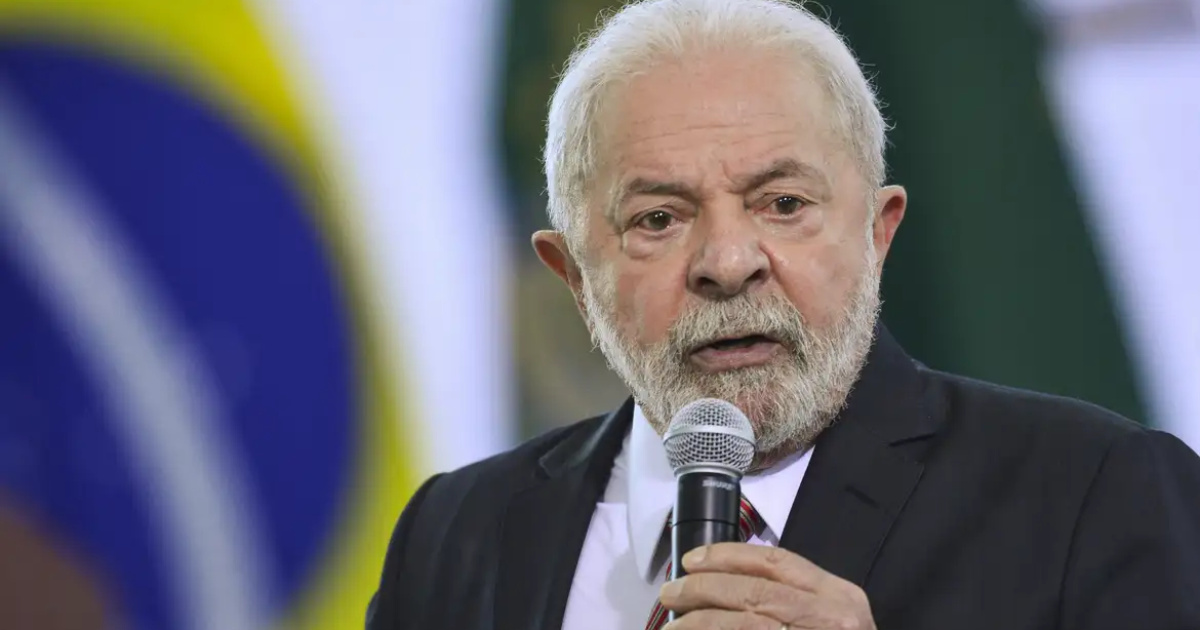
The risk was in assigning the National Electric Energy Agency (Aneel) to create new tariff modalities, which could generate unpredictability about costs and compromise the return on investments in photovoltaic panels.
Risk to Solar Energy
In the assessment of the Brazilian Association of Photovoltaic Solar Energy (Absolar), the previous measure opened space for legal uncertainty, as it would change the compensation method for consumers who produce their own energy.
The sector warned of a possible drastic drop in incentives and even the unfeasibility of ongoing projects.
In addition to this point, other controversial topics were left out, such as the total opening of the free energy market, the entry of the Chamber of Electric Energy Commercialization (CCEE) into the natural gas market, and the end of incentives for alternative sources.
These discussions were transferred to MP 1,304, still under consideration.
Expanded Social Tariff
The approved MP expands the benefits of the Social Electricity Tariff.
Low-income families registered in CadÚnico will have total exemption from the electricity bill when consumption is up to 80 kilowatt-hours (kWh) monthly.
So far, the discounts were partial, between 10% and 65%, applied to consumptions of up to 220 kWh.
The benefit will be funded by the Energy Development Account (CDE), a fund that collects charges paid by the sector and partially passed on to consumers.
With the full exemption, the number of families covered will increase, and the difference will be distributed in the tariffs of all other users of the system.
Included in the program are elderly people and persons with disabilities receiving the Continued Cash Benefit (BPC), families with per-capita income of up to half a minimum wage, and those with up to three minimum wages who have a member undergoing health treatment that requires continuous electric equipment.
Indigenous communities, quilombola communities, and families in remote areas of the North region will also continue to be included.
Mobilization in Congress
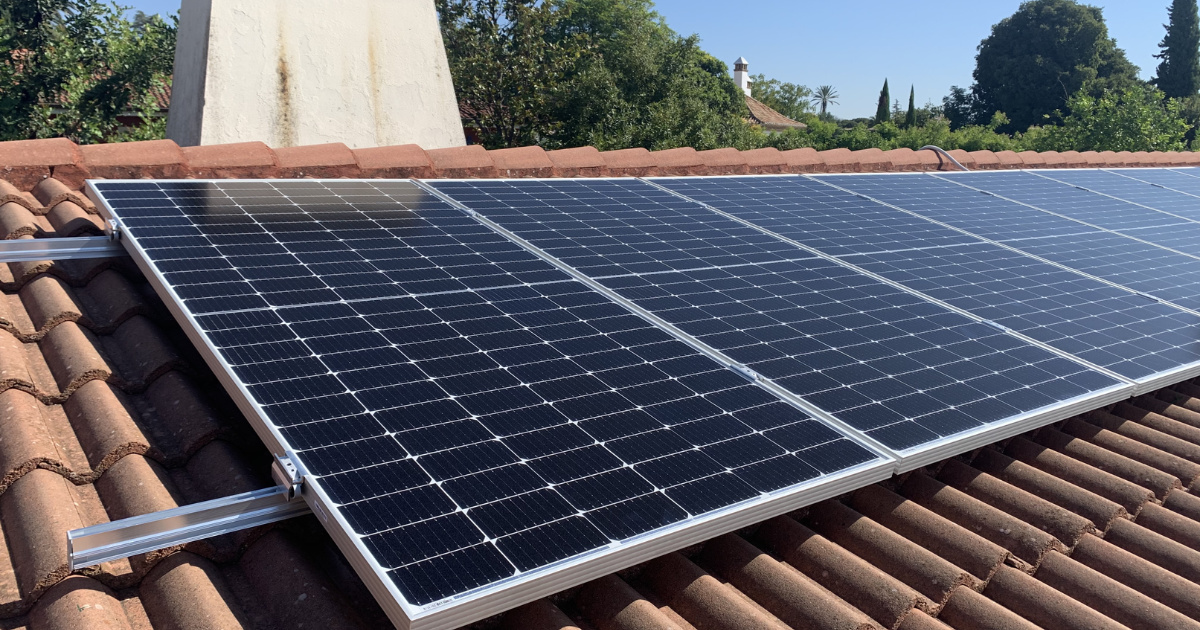
Parliamentarians mobilized in recent weeks to remove from the MP the article that could reduce the financial compensation for those who already have their own generation systems.
According to Deputy Lúcio Mosquini (MDB-RO), the initial proposal reduced the reimbursement of the energy injected into the grid from about 80% to just 17%, a change that could discourage investments and affect millions of consumers.
The parliamentarian classified the amendment as a setback, alleging that it would weaken the policy of encouragement for renewable energy and harm energy security.
He emphasized that one cannot penalize those who invested in clean energy and sustainable technology.
Mosquini rallied support to keep Highlight No. 7 on the agenda, which sought to preserve more balanced rules for solar panel owners.
He also advocated for broader dialogue among government, experts, and the productive sector to avoid irreversible losses.
Future of the Energy Matrix in Brazil
The discussion around solar energy mobilized both parliamentarians and sector entities, who alerted to three main risks:
- Discouragement of new investments.
- Legal uncertainty for families who have already invested in technology.
- Increased dependence on fossil sources and large power plants.
Mosquini also emphasized the potential of Rondônia for solar generation, stating that the state can become a reference in the area.
The deputy reinforced his commitment to defending advances in innovation, sustainability, and energy security, pointing to solar energy as a strategic piece for the country’s future.
With the removal of the most critical provisions and the approval of MP 1,300 without changes that threatened distributed generation, the sector breathes a sigh of relief. However, the discussion should continue with the deliberation of MP 1,304.
According to experts, the big question now is whether the government and Congress will be able to find a balance between expanding social benefits and preserving incentives for decentralized generation of clean energy.






Your writing is a true testament to your expertise and dedication to your craft. I’m continually impressed by the depth of your knowledge and the clarity of your explanations. Keep up the phenomenal work!