Portuguese
  Spanish


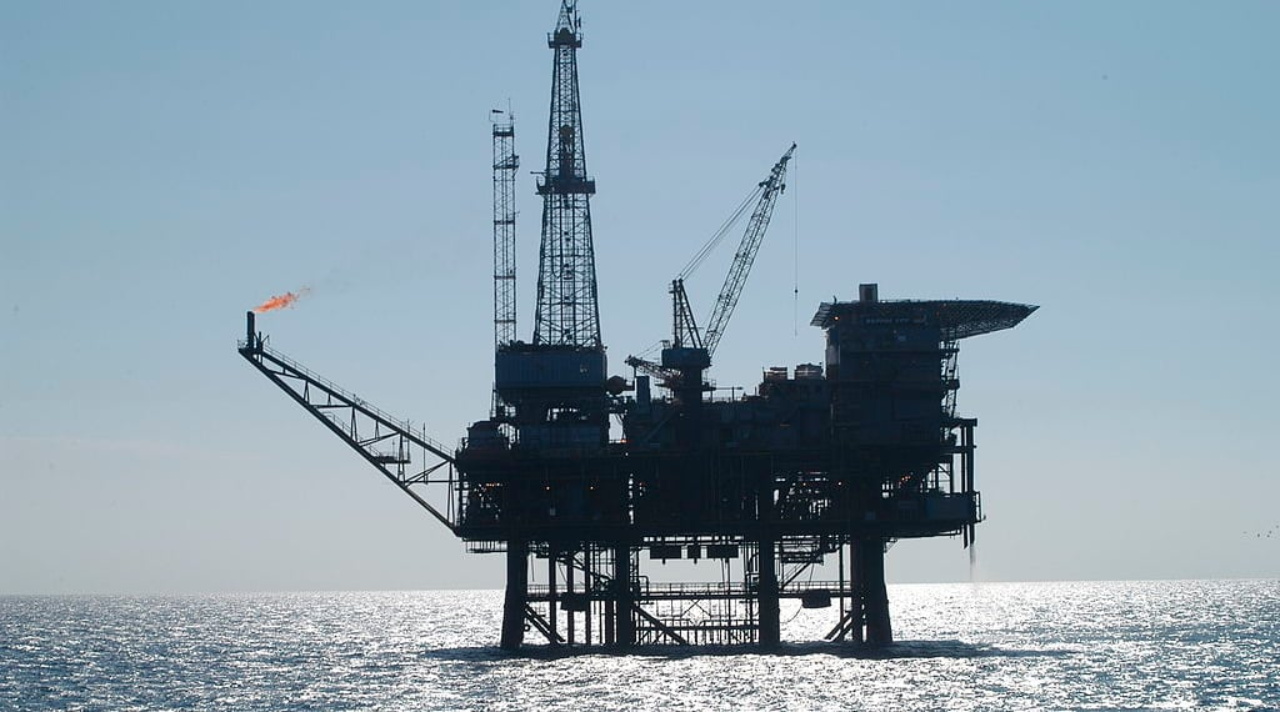

More Than 80 Countries Support Brazil’s Proposal at COP30 to Create an International Timeline for Abandoning Oil, Gas, and Coal. Initiative Gains Political Impetus and Reinforces Global Appeals for a Just and Rapid Energy Transition.
During the COP30 in Belém, the debate about the future of oil returned to the center of international attention. More than 80 countries announced support for Brazil’s proposal to establish a global roadmap to gradually replace fossil fuels. The movement, presented at an event that gathered ministers, authorities, and representatives from various regions, symbolizes an important political shift towards global energy transition. Additionally, Brazil’s stance reinforces the country’s prominence in climate negotiations.
Brazilian Proposal Gains Support and Exposes Urgency in Replacing Oil
The announcement of support occurred at the event Mutirão Call for a Fossil Fuel Roadmap, where the Brazilian government detailed the initiative to create an international timeline to eliminate the use of oil, natural gas, and coal — the main contributors to the increase in global CO₂ emissions.
The proposal outlines the organization of clear stages, goals, and deadlines, following the concept of roadmap, a term used to describe a structured action plan. Furthermore, the initiative gained momentum right at the beginning of the Leaders’ Summit, when President Luiz Inácio Lula da Silva urged nations to take “a real commitment to energy transition,” emphasizing that the world can no longer delay decisions.
-
Petrobras to Double Natural Gas Supply in Northeastern Brazil with New Investment

-
Petrobras Approves $1.2 Billion Refinery in Brazil to Produce Aviation Fuel and Diesel from Plants
-
Petrobras Secures $2.2 Billion Contract to Build and Operate Four Support Vessels for Brazil’s Offshore Oil Fields
-
Oil production grows in Rio, but reserve replacement raises a warning sign



Countries That Took a Stand and Speeches That Marked the Event
Although the complete list has not yet been released, delegations from Germany, Denmark, the United Kingdom, Kenya, Sierra Leone, and the Marshall Islands made public statements of support.
The British Secretary of State Ed Miliband described the movement as something “unprecedented” by stating:
“This is a great coalition of the Global South and the Global North, all saying in one voice that this is a problem that cannot be ignored. We have the chance to make COP30 the moment to advance the transition away from fossil fuels.”
Representing Sierra Leone, Minister Jiwoh Abdulai emphasized the direct impact of global warming, highlighting the vulnerability of African countries:
“For countries like Sierra Leone, a 1.5ºC increase in global temperature is a matter of existence. The cost of adaptation is rising much faster than we can keep up.”
These speeches reveal not just political support, but also the perception that replacing oil is no longer optional. It has now become a priority for the survival of various nations.
Reaction of the Brazilian Government: Enthusiasm and Warning
While celebrating international engagement, Minister of the Environment Marina Silva pointed out that eliminating oil requires pragmatism and financial cooperation. According to her:
“These countries show a willingness to tackle the main cause of global warming: the burning of oil, gas, and coal. But this cannot be solved with magic. It requires financing, economic diversification, and technology. We are behind schedule, but we are in a hurry.”
This statement reinforces the need for a global pact that includes financial support and technological sharing, especially for countries economically dependent on fossil fuels.
Moreover, the young climate champion of COP30, Marcelle Oliveira, highlighted the mobilization of new generations:
“To protect our future, we need action. We need a new economy, a new culture. The mobilizations show that this is an absolute priority.”
Thus, the presence of youth reinforces the sense of urgency and social pressure for concrete changes.
Voices of Civil Society and Criticisms of the Process
While authorities celebrated diplomatic progress, territorial organizations asserted that the debate on the end of oil is still incomplete. The International Institute Arayara issued a statement saying:
“A task force made up only of state leaders does not reflect the wisdom of those on the ground. It cannot address their pains or promote climate justice. It remains incomplete.”
The organization argues that indigenous communities, quilombolas, and traditional populations should participate in building the global roadmap. According to the institute, these voices are essential to ensure that the energy transition is just and represents those who live in the most impacted areas by fossil infrastructure.