Portuguese
  Spanish


The five used cars remembered are Toyota Corolla, Toyota Etios, Nissan Versa, Renault Logan, and Hyundai HB20, all common in Brazil, with easy-to-find parts and known mechanics. Driving 100 km per day exceeds 36,000 km per year, but the history weighs more than price, year, and mileage.
A used car guide highlights five models capable of handling 100 kilometers per day without breaking the bank, but emphasizes that even the most durable can hide an expensive repair if it has gone years without proper maintenance. The list, published in June by the portal NSC Total, includes Toyota Corolla, Toyota Etios, Nissan Versa, Renault Logan, and Hyundai HB20, models remembered for their known mechanics and the ease of finding parts.
The bill for those who drive a lot changes size at the end of the year. According to the guide’s advice, 100 kilometers per day can exceed 36,000 kilometers in a year, almost triple what many people cover in regular use, and therefore choosing a car for this routine requires more than just looking at price, year, and mileage. The model needs to have known mechanics, easy-to-find parts, predictable maintenance, and a well-maintained history, and the five names share the fact that they are common cars on Brazilian streets, with a good supply of parts.
Toyota Corolla: the sedan that became synonymous with trust
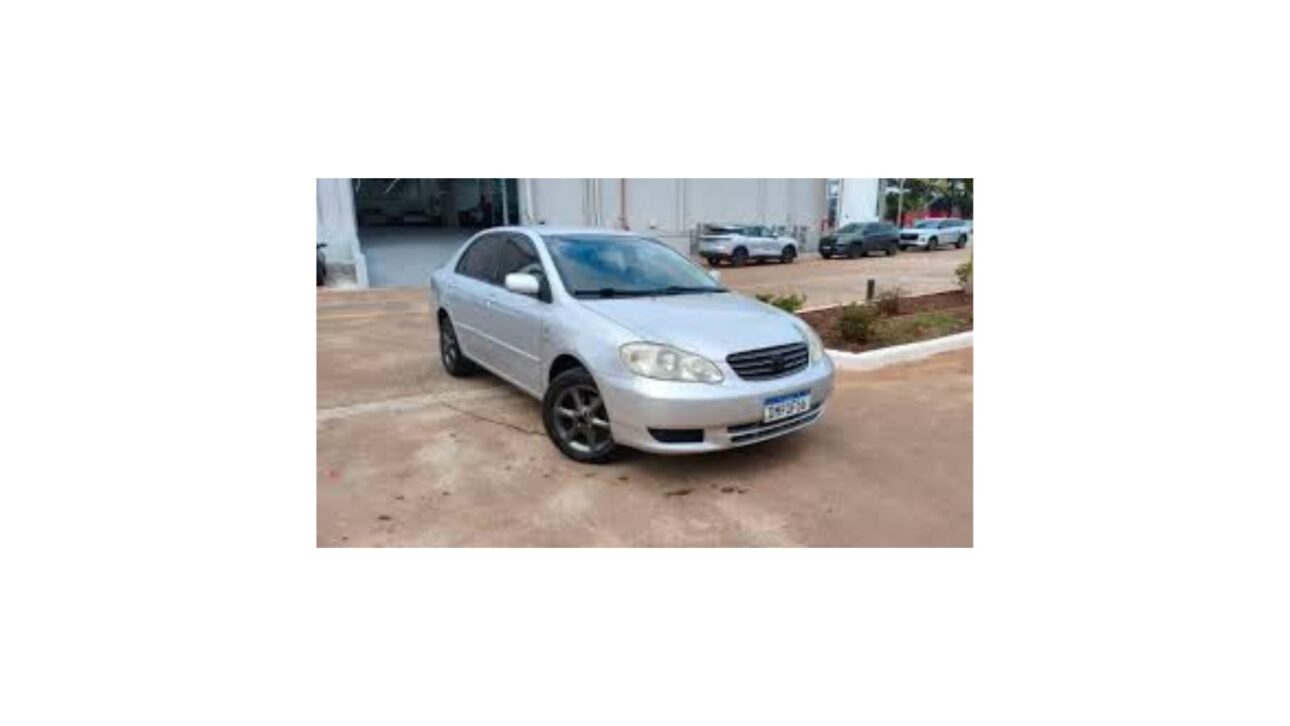
The Corolla is almost an obvious choice among used cars for heavy driving. The mid-size sedan gained fame for delivering comfort, durable mechanics, and good resale liquidity. For those who face 100 kilometers per day, it has another advantage: it tires less, as the insulation, interior space, and automatic transmission help on long journeys or in heavy traffic.
-
Rolls-Royce Turns Heads with 30-Inch Floating Wheels, 6.6-Liter V12 Engine, and 563 Horsepower

-
2019 Kia Sportage EX: A Spacious and Cost-Effective SUV with 2.0 Flex Engine and Panoramic Roof
-
Fiat Strada Becomes Top Seller in June, Surpassing Onix, Polo, Hilux, and T-Cross with 107 HP Engine and 732 km Range.

-
Suitcase-sized hydrogen engine spins at 25,000 rpm, nearly doubling the efficiency of conventional cars and replacing exhaust smoke with water vapor


The fame, however, comes at a price. Even used, the Corolla usually costs more than other sedans of the same year, and any poorly maintained unit can hide high expenses with suspension, tires, brakes, transmission, or air conditioning. Before closing the deal, it is worth checking the maintenance history, the condition of the automatic transmission, the air conditioning operation, leaks, suspension noises, and uneven tire wear.
Toyota Etios: ugly for some, rational for many
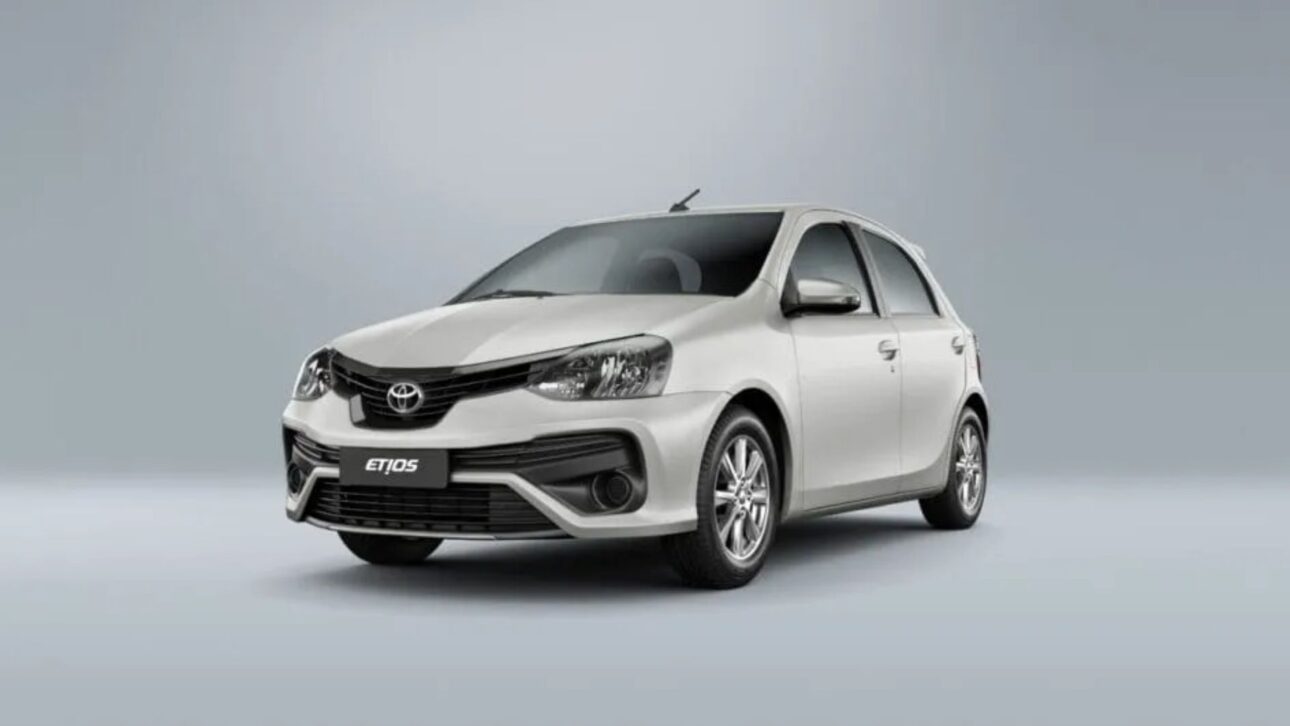
The Etios was never a visual consensus, but convinced by logic. Among used cars, it gained space with drivers looking for something simple, durable, and economical, and it is precisely this simplicity that makes the model remembered by those who need to drive a lot every day. In the 1.3 and 1.5 versions, it usually delivers good fuel consumption, relatively simple maintenance, and well-known mechanics.
What it lacks in refinement, it makes up for in low cost. It does not have the comfort of a Corolla, but compensates with robustness and a lower purchase price, and the sedan still offers generous luggage space for family or work use. The buyer needs to pay attention to the finish, sealing, paint, and maintenance history, because the Etios can be durable, but it doesn’t work miracles if it has been used carelessly.
Nissan Versa: plenty of space and vocation for work
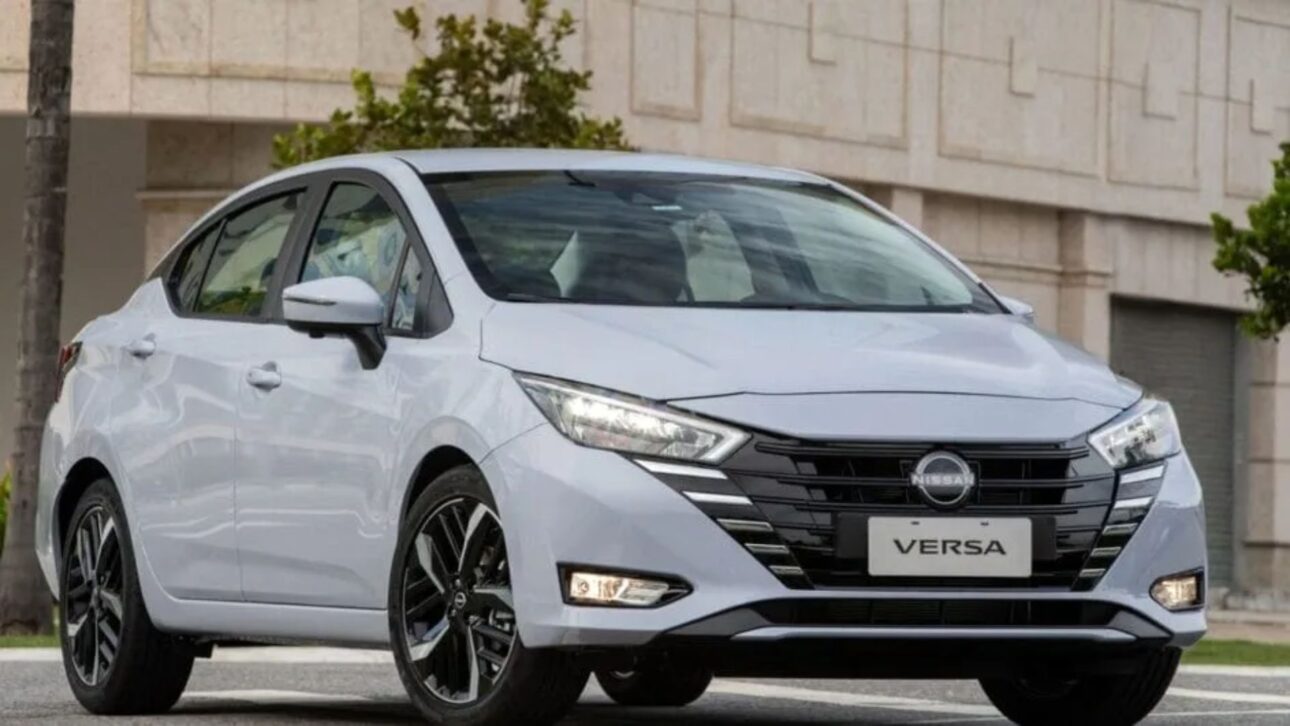
The Versa doesn’t always excite with its design, but it makes sense on the spreadsheet. The sedan became known for its above-average interior space, large trunk, and more rational maintenance, which places it among used cars designed for heavy use. For those who drive 100 kilometers a day, driver and passenger comfort is significant, and the model serves well for apps, external work, short trips, or long commutes within the city.
The choice of version changes the experience. Configurations with a 1.6 engine tend to be more interesting for those who take the road or drive with a loaded car, while the 1.0 versions cater to those prioritizing economy but require extra patience on accelerations and climbs. When purchasing, it’s important to evaluate suspension, brakes, clutch, gearbox, and any noises, as well as check recalls and if the unit received proper maintenance, especially in older models.
Renault Logan: simple, spacious, and made for tough use
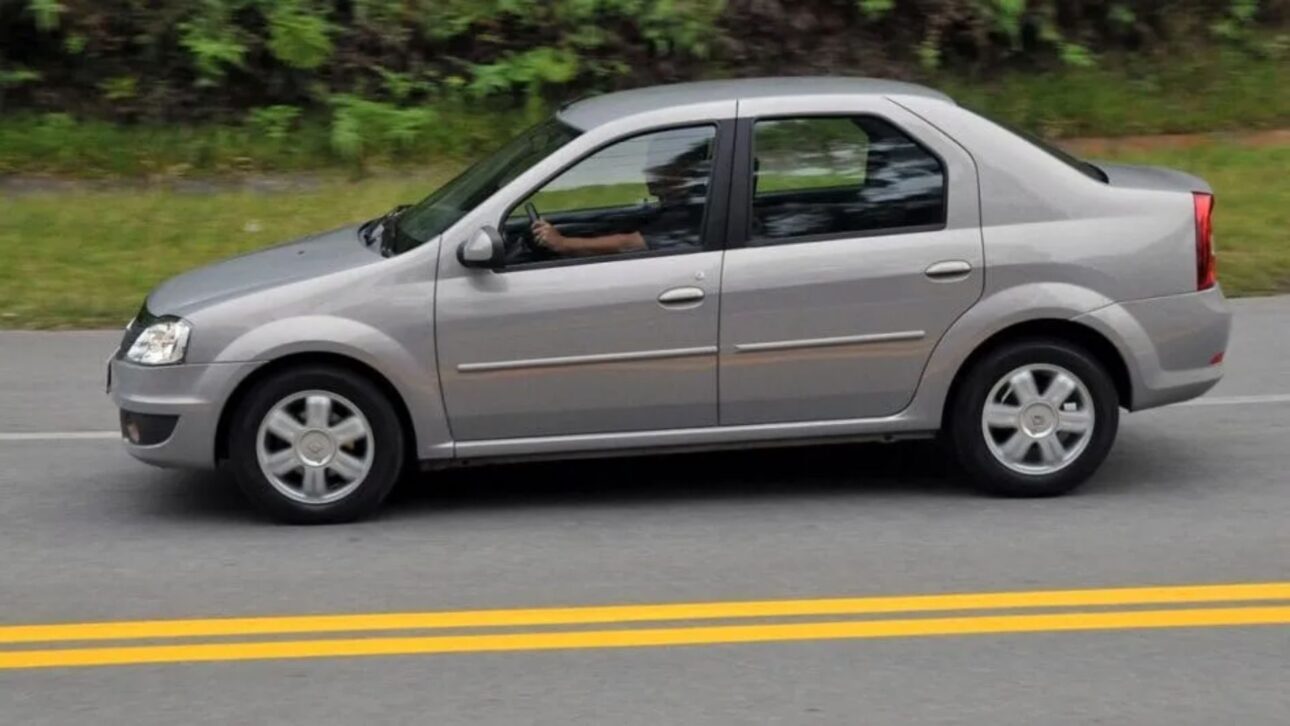
The Logan is one of the most rational used cars for those who don’t care about status. The sedan has always focused on interior space, a large trunk, and relatively simple mechanics. It may not have the refinement of a Corolla or the reputation of a Toyota, but it often appears as an alternative for those who need a large car, cheap to maintain, and ready to handle rough roads.
For long drives, engine displacement makes a difference. The model makes more sense in the 1.6 versions, which handle weight, highways, and air conditioning better, as the 1.0 versions may be economical but tend to struggle with intense use. The point of attention is on the simpler finish, internal noises, and items like suspension, steering, starter motor, and gearbox, depending on the year and version. Well-maintained, it can be a war partner; neglected, it may require a major overhaul soon after purchase.
Hyundai HB20: easy to find, easy to sell, and good for daily use
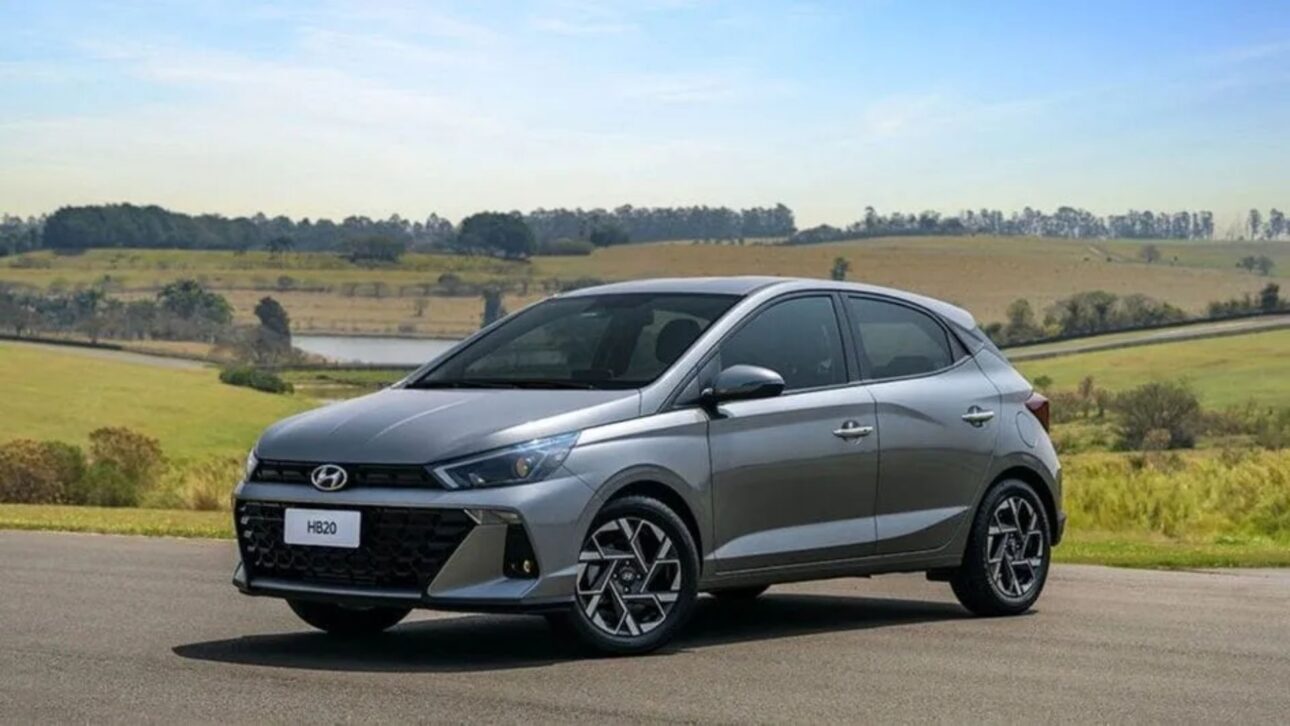
The HB20 made the list for a simple reason: it’s easy to find. It is one of the most common used cars in Brazil, which helps with buying, maintenance, and also resale. For those who drive 100 kilometers a day, it can be a good option in the 1.6 versions, with better performance, or in the 1.0 versions for more urban routes, with the advantage of a wide network, good availability of parts, and many mechanics already familiar with the model.
Ease does not exempt a rigorous inspection. The model is usually appreciated for its finish, driving position, and a more modern set than some rivals in the same range, but owners report complaints about paint, noises, brakes, and finish in some units. Therefore, the inspection should go beyond the engine and include bodywork, signs of collision, suspension, brakes, tires, multimedia, air conditioning, and the maintenance history.
The NSC Total guide brings together five used cars for those who drive 100 kilometers a day, a routine that exceeds 36,000 kilometers a year: the Toyota Corolla, comfortable and with good resale value, but more expensive; the Toyota Etios, simple and economical; the Nissan Versa, spacious and work-oriented; the Renault Logan, cheap to maintain and resistant to rough roads; and the Hyundai HB20, easy to find and sell. All are common in Brazil, with known mechanics and good availability of parts, but the caveat repeats: reputation is not a guarantee, and price, year, and mileage are not enough. It is the detailed inspection, from the gearbox to the brakes, from the suspension to the air conditioning, combined with a well-maintained history, that separates the war partner from the loss soon after purchase.
And you, which of these used cars would you trust to drive 100 kilometers a day, or do you have another model that you consider more resistant for heavy use? Do you agree with the list or feel that a name is missing? Share your opinion and exchange ideas with other readers about cars and maintenance, with respect for different opinions.