






 Portuguese
  Spanish
  2 min of reading


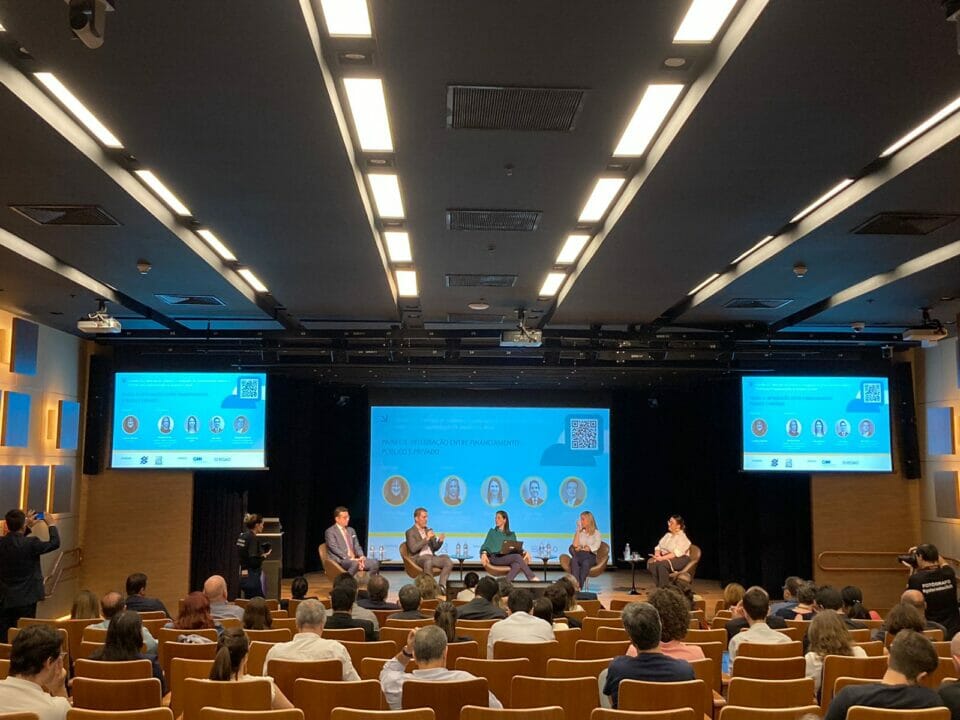
The Growing Demand for Carbon Capture and Storage Projects Is Highlighted at a Pioneering Event.
Recently, important voices from the sector came together at a meeting promoted by CCS Brasil and Banco do Brasil. Titled CCS Connection – Financing Integration in the Carbon Market, this event was supported by Campos Mello Advogados and EQAO, and focused on the integration of public and private financing for the advancement of CCS in Brazil.
Understanding CCS
CCS (Carbon Capture and Storage) refers to the process of removing carbon emissions, especially from industry and energy generation, and ensuring that CO2 is stored in geological reservoirs effectively and durably.
-
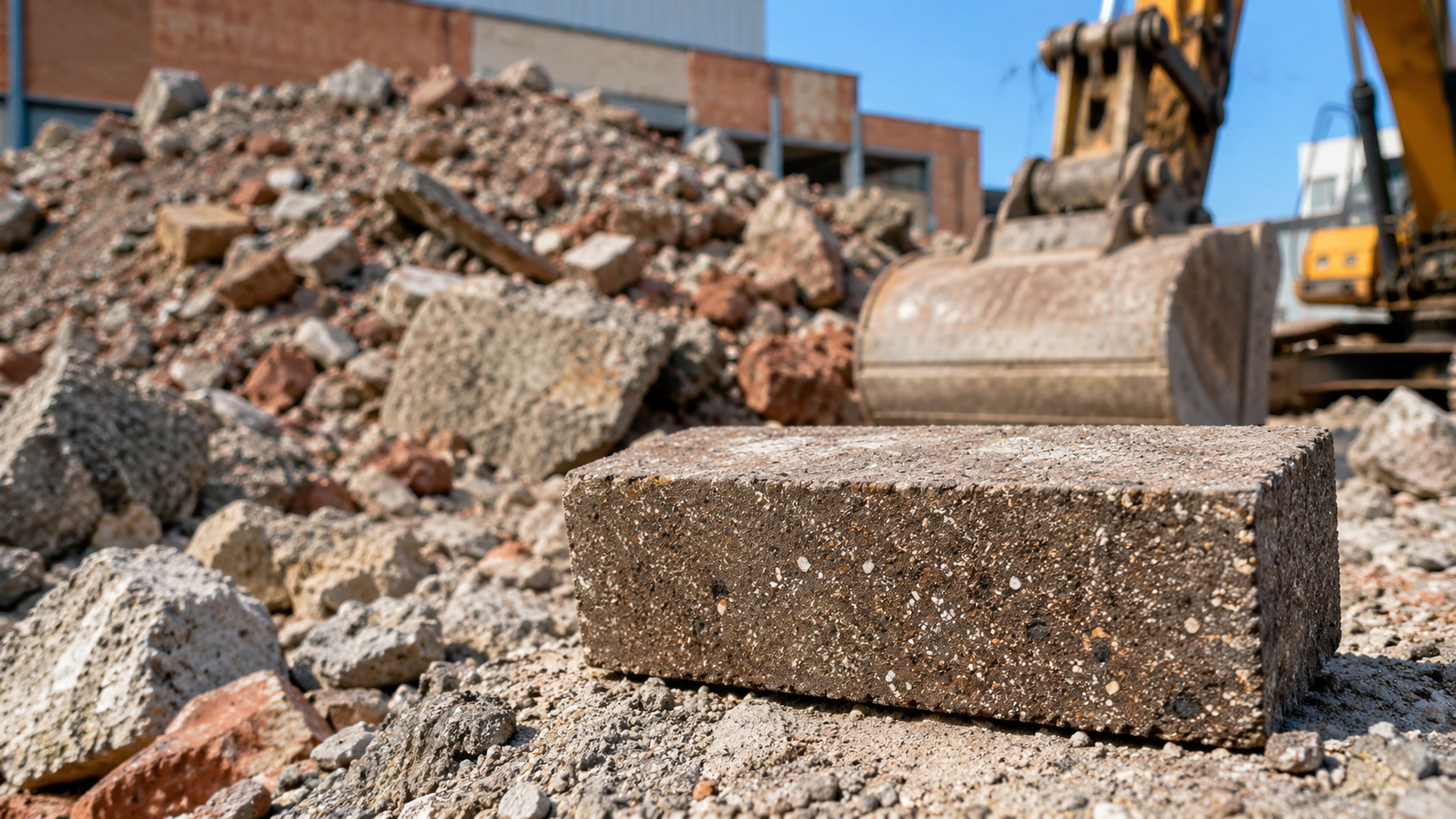
Scotland creates a brick made with over 95% recycled debris, eliminates kiln firing, and attempts to reinvent a piece used in construction for almost a thousand years.

-
In Taipei, 1.5 million recycled plastic bottles were saved from becoming waste, turned into building blocks, and formed a nine-story pavilion for an international exhibition.
-
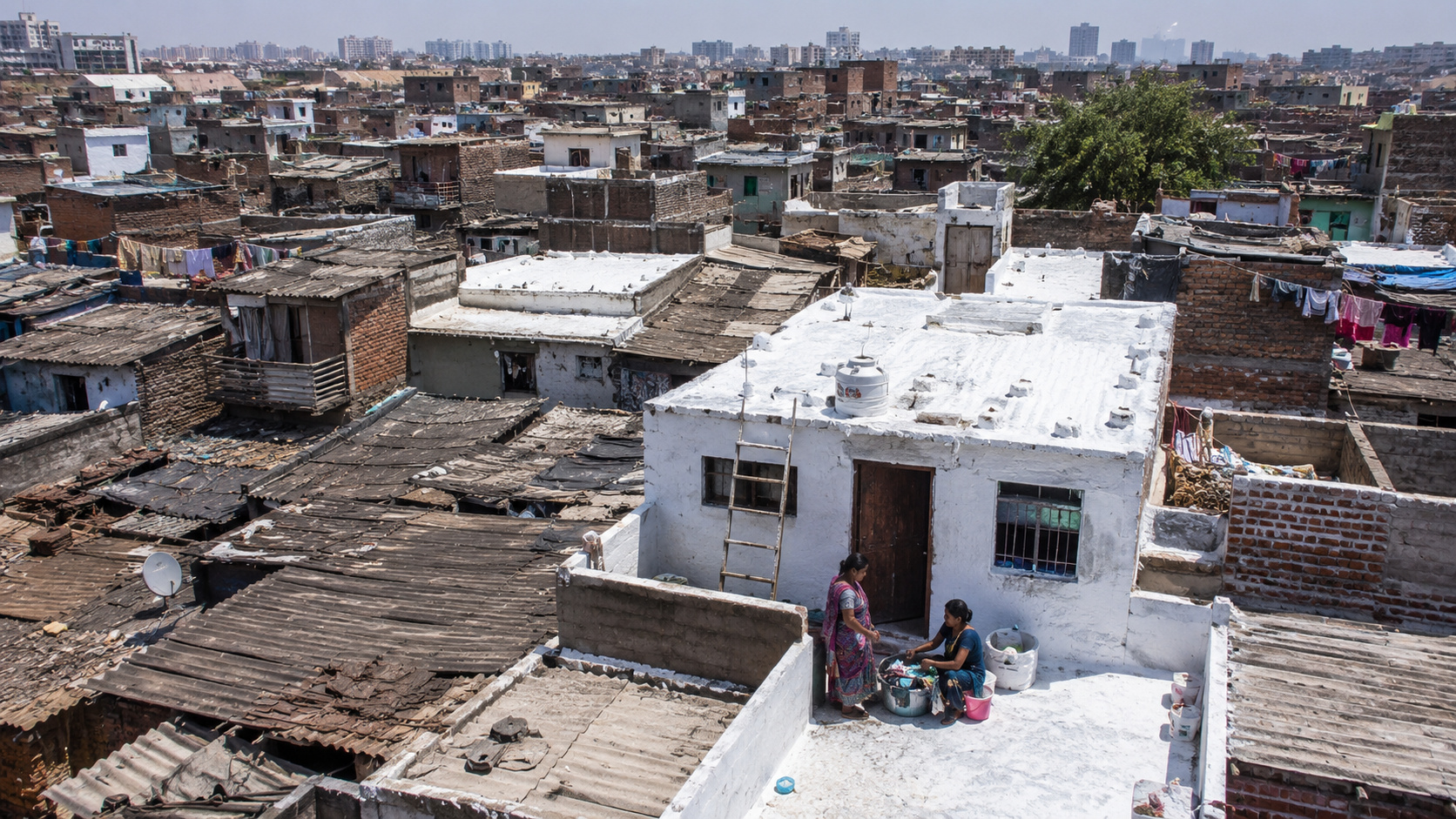
Slums in India painted roofs white to cope with 46°C heat, cool down stuffy homes, improve sleep, reduce energy consumption, and even ease the burden on refrigerators.
-
ANP halts LPG reform, and Sindigás sees technical caution as a decisive point for safety, investments, and the future of the cylinder in Brazil.


Heloísa Borges, from the Energy Research Company, highlighted a crucial point: “When we talk about carbon neutrality, we are not referring to any emissions.” The real issue is balancing emissions and captures, so that the net difference totals zero.
Challenges of Financing and Regulation
Amid the discussions, it became clear that regulation is essential to ensure the advancement of the sector. Many eyes are on PL 1425/2022, under evaluation in the Chamber of Deputies. Milas Evangelista, CEO of Renovar Sustentabilidade, emphasized the importance of the carbon market for entrepreneurs: “They need assurances for space for carbon injection and access to carbon credits.”
The magnitude of the required investment brought consensus: it is essential to combine all possible financial mechanisms. Cesar Sanches, from B3, stated: “Investing in sustainability is investing in infrastructure. We need all financial resources and more information.”
Partnerships and Perspectives
Petrobras, renowned in the field of carbon injection, was mentioned. Alexandre Calmon, from Campos Mello Advogados, noted Brazilian expertise: “We already have the technical capability in Brazil to advance in this area.”
Julio Meneghini, from USP, stressed the relevance of international partnerships. “By partnering with foreign researchers, we invite them to lead projects here, reducing technological dependence,” he observed.
The debate took place shortly after the Senate Environmental Committee approved the bill that regulates the carbon market in Brazil. Carlos de Mathias Martins Junior, from EQAO, criticized the exclusion of agribusiness, seeing potential for the sector in the carbon market and in the application of CCS.
In concluding the event, Isabella Morbach, from CCS Brasil, highlighted the importance of intersectoral dialogue. Nathália Weber, a colleague at CCS Brasil, reinforced that CCS is just one of the vital tools for a low-carbon economy, with all playing complementary roles.
Source: Tree Comunicação – Renan Araujo.







Be the first to react!