Portuguese
  Spanish


Innovative research uses freezing technique to map how defense cells destroy tumors. Understand the impact on cancer treatment.
Scientists from the University of Geneva and Lausanne University Hospital, in Switzerland, have achieved an unprecedented technological feat: observing in three dimensions and with microscopic detail the exact moment the body fights cancer.
Through an advanced preservation technique, the team mapped the so-called “immunological synapse,” which is the contact region where defense cells launch a direct attack against tumors.
The study, published in the journal Cell Reports in April 2026, reveals that the immune system uses “precision killers” called cytotoxic T lymphocytes to eliminate threats without harming healthy tissues.
-
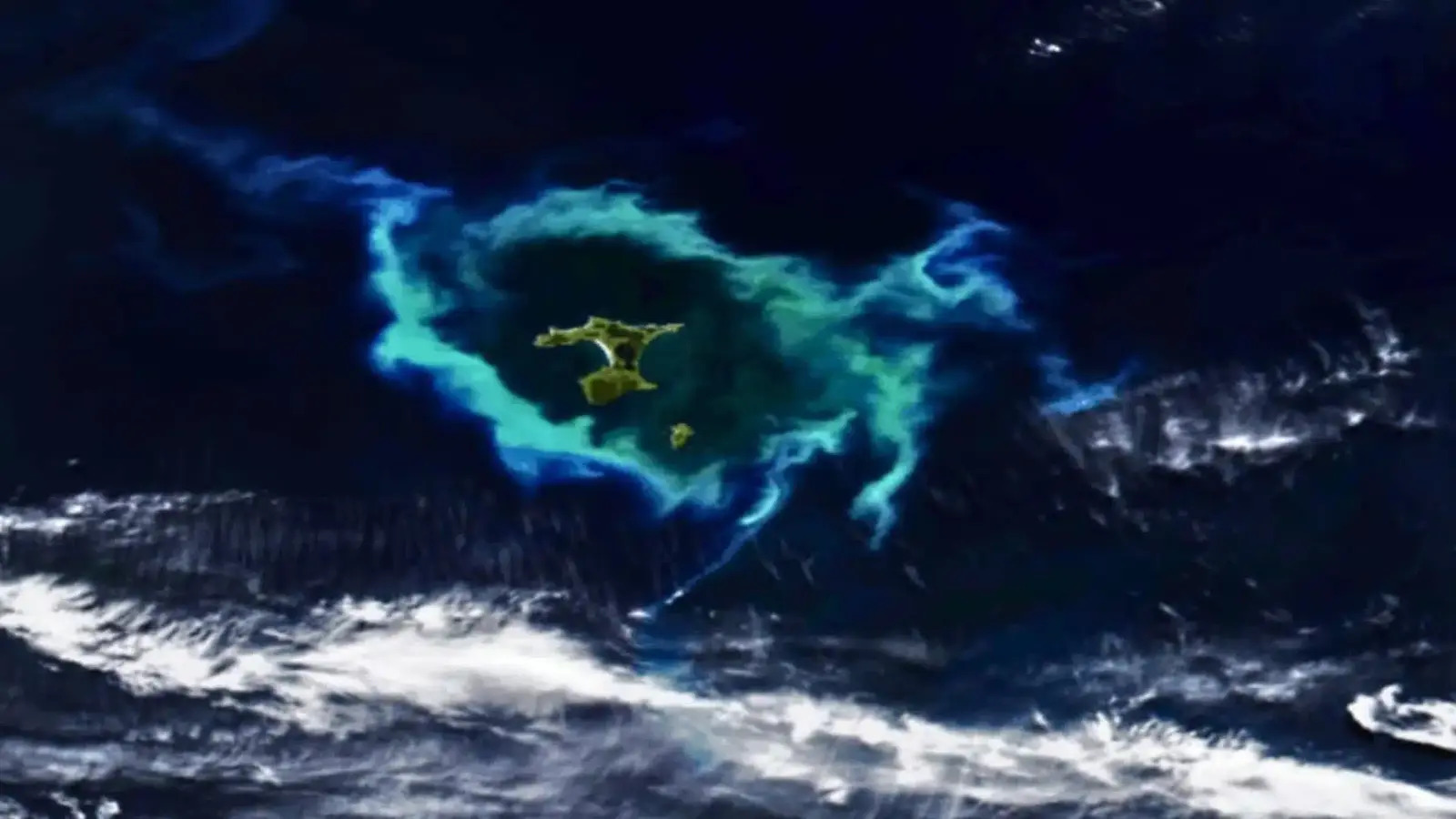
Giant Phantom Halo Appears Around Remote Pacific Islands, NASA Reveals It’s Created by Tiny Marine Organisms

-
Scientists Develop Method to Store Wind and Solar Energy by Liquefying Air for On-Demand Power Generation

-
Brazilian Engineer Who Grew Up Without Electricity Develops Software, Expands AltoQi to 67,000 Clients, Aiming for $21 Million by Digitizing Brazil’s Construction Industry

-
Spain Launches World’s Largest Floating Dry Dock: 56-Meter Giant Produces Massive Concrete Structures in A Coruña Using Technology Proven in Brazil




Expansion technology reveals the “invisible”
The great challenge of science has always been to observe these interactions without deforming delicate biological structures. To solve this, researchers used cryo-expansion microscopy, which allows for the physical enlargement of cells after an ultra-rapid freezing process.
According to Virginie Hamel, the study’s author, “the technique consists of instantly freezing cells at very high speed, placing them in a vitreous state, where water solidifies without forming crystals, faithfully preserving biological structures.”
This method allowed the team to see previously inaccessible details. By analyzing the impact zone, scientists noted specific behaviors of the membranes and internal components of immune cells:
- Dome Formation: At the point of contact, the defense cell’s membrane molds itself to organize the offensive.
- Cytotoxic Granules: Small internal “packages” that store destructive substances.
- Variable Architecture: The granules have different shapes and concentrations, which alters the effectiveness of the fight.
- Identified Substances: Observation showed the presence of granzyme B and perforin acting directly on the target.
The attack strategy of defense cells against tumors
The 3D reconstruction allowed identifying that the attack is not just a chemical reaction, but a coordinated structural process.
Florent Lemaître, the study’s first author, highlights a central discovery about the anatomy of this combat: “Our work reveals that, at the point of contact between the immune cell and its target, the membrane forms a kind of dome.”

This structure is fundamental to ensure that toxic substances are injected with surgical precision into tumors. Furthermore, infiltrated T lymphocytes demonstrate a unique ability to recognize cells with abnormal behavior.
Impact on immunotherapy and the future of treatments
The research was not limited to controlled laboratory environments; scientists applied the technique to real human tissue samples.
Benita Wolf, a collaborator on the study, explains the relevance of this application: “We extended this approach to human tumor tissues, enabling direct observation of T lymphocytes infiltrating tumors and their cytotoxic machinery.”
This direct observation helps explain why some patients respond well to treatments and others do not. Therefore, this detailed mapping serves as a guide to improve immunotherapy.
By understanding the exact steps where the interaction between defense cells and tumors can fail, doctors and researchers can develop personalized and more potent therapies.
Source: Revista Galileu