






 Portuguese
  Spanish




France Implements Fiscal Strategies to Balance the Competitiveness of Chinese Electric Cars in the European Market.
In a scenario where electric cars have been gaining more ground globally, France is making tactical moves to protect its local interests. In light of the European Commission’s allegations of possible subsidies from China for its manufacturers, France positions itself strategically, being the pioneer among European countries to restructure its fiscal policies and block the massive entry of electric vehicles from the Asian giant, including BYD with extremely low prices.
In Response to Chinese Strategies
The transparency of French President Emmanuel Macron, along with his team of ministers, clearly demonstrates their concern regarding the electric car market. The local incentive policies, which provide cash credits between €5,000 and €7,000, seem to be insufficient to compete with the attractive prices of Chinese vehicles.
However, it’s not just a matter of price. In France, even with the offered incentives, electric cars still weigh heavily on the consumer’s pocket. This creates a scenario where Chinese products, with their more competitive prices, become an attractive option. Macron and his team, seeking to resolve this dilemma, plan to change the qualification rules, with a special focus on batteries.
-
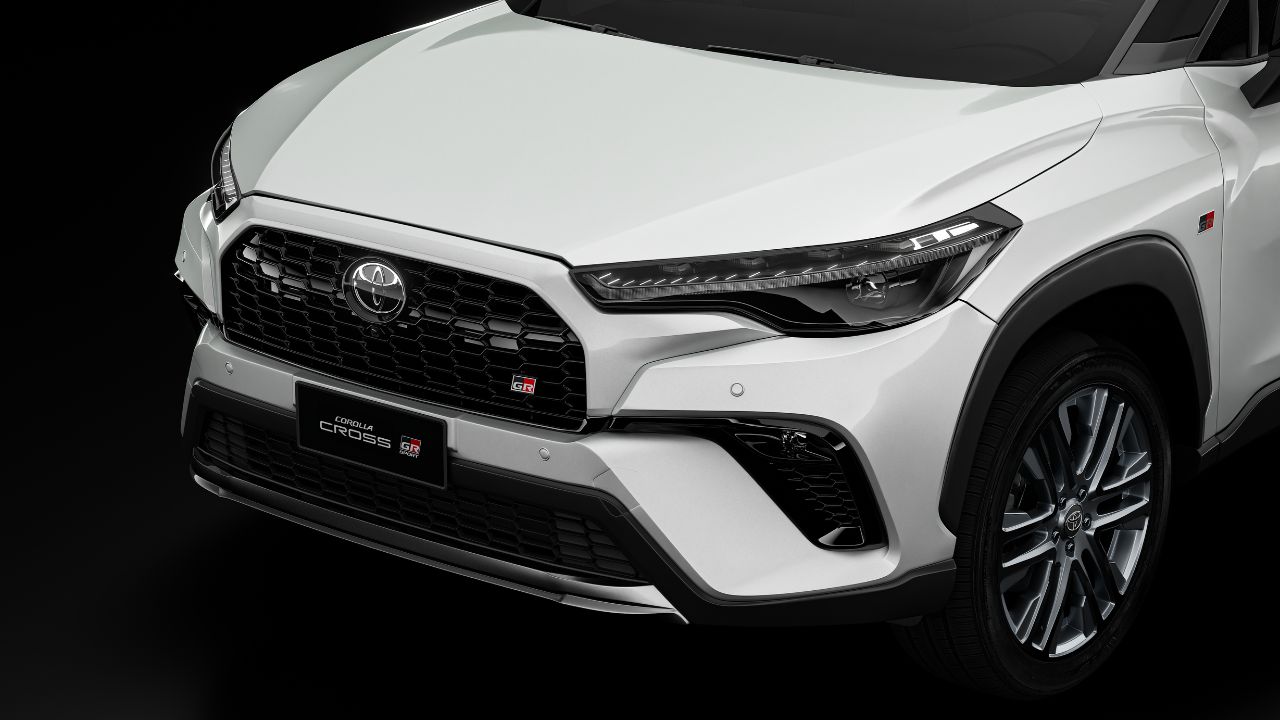
2027 Toyota Corolla Cross Unveiled: New Design, Enhanced Fuel Efficiency, Reduced Maintenance Costs, Advanced Technology, Connected Services, and Up to 10-Year Warranty

-
Fiat Cronos Precision 2018: Affordable Sedan with Spacious Trunk and Reliable Maintenance
-
Volkswagen to Cut Production by 1 Million Cars by 2030, Reducing Jobs and Platforms, Focusing on More Profitable Models

-
Toyota Launches First 100% Electric Car in Brazil: bZ4X with 343 HP, All-Wheel Drive, 361 km Range, Priced at $419,990 BRL, Limited to 99 Units



Measuring Environmental Impact: The “Well-to-Wheel” Battle
Starting December 15, the French government plans to consider carbon emissions from the entire production cycle of the vehicle, an approach known as “well-to-wheel.” This strategy aims to directly target Chinese brands, as a large part of the energy in China, about 85%, is generated by coal burning, a highly polluting source.
In contrast, France takes pride in its energy matrix dominated by nuclear energy, which favors vehicle production in more sustainable environments. Besides the energy challenge, China faces another obstacle: maritime transport. Although some brands, like BYD, are investing in more eco-friendly ships, sea transport is still seen as a significant carbon emitter.
Looking to the Future
The French initiative raises questions about the future actions of other major European markets. Germany and the United Kingdom, both influential in the automotive scene, have not yet indicated whether they will follow in France’s footsteps. However, the movements of the Gallic country will certainly shape discussions about electric cars in Europe in the coming months.








