Portuguese
  Spanish


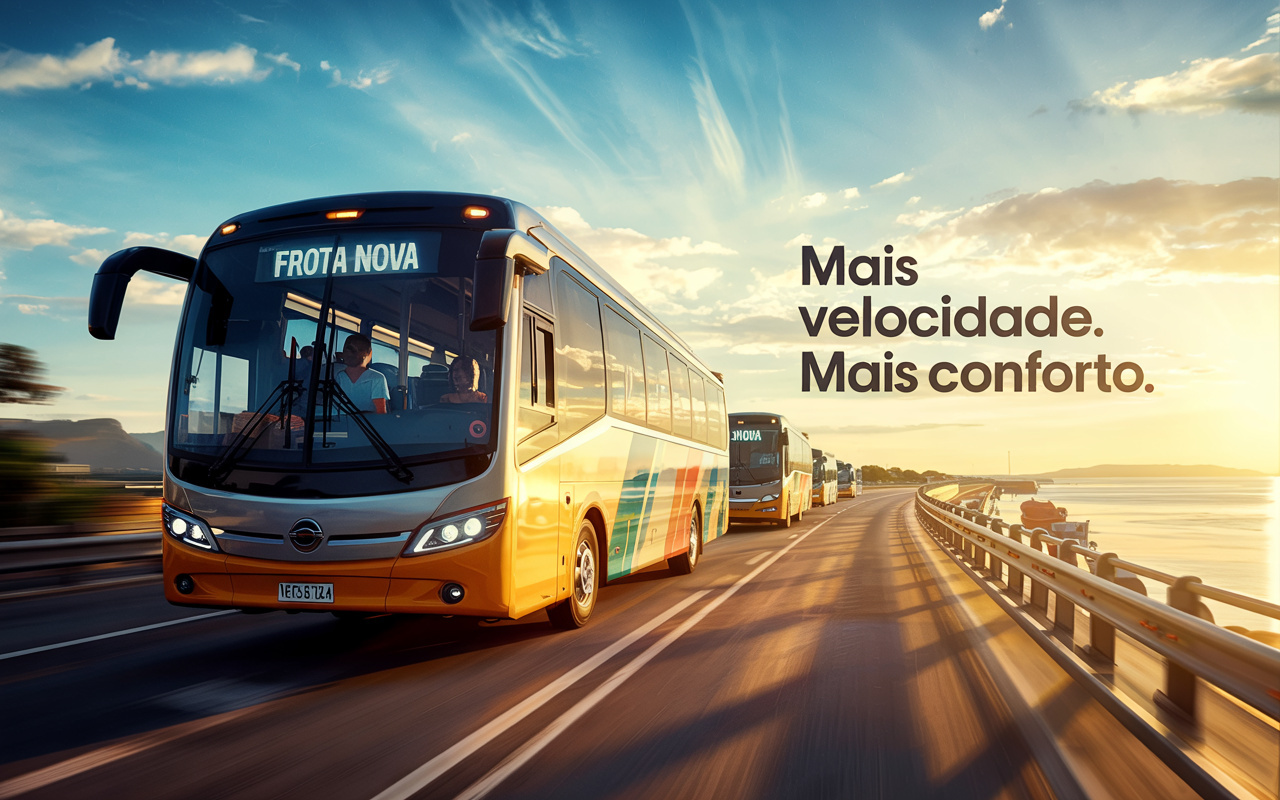

Bus Companies in Brazil Invest in Modern Vehicles, Technology, and Faster Routes to Make Public Transport More Efficient and Attractive. Find Out How Fleet Renewal and New Public Policies Aim to Recover Passengers and Improve Urban Mobility
Public transport companies in various Brazilian cities are investing in fleet renewal and faster routes to recover passengers and regain their space against alternatives like cars, motorcycles, and apps. The focus is on offering greater comfort, reducing travel time, and modernizing operations with the support of technology and public policies.
This strategy has gained momentum with the support of subsidies and public-private partnerships, which seek to transform the public transport system into a more efficient, sustainable, and attractive service. Discover below the main measures in the sector and the expected impact on Brazilian urban mobility.
The Decline in Public Transport and the Challenge of Recovering Passengers
Public transport has been losing ground in Brazilian cities. According to the Origin-Destination Survey of 2017, about 54.1% of the motorized journeys in the Metropolitan Region of São Paulo are made through public transport, such as buses, trains, and subways, while 45.9% occur through individual means, such as cars and motorcycles.
-
New Smart Radar Begins Issuing Fines to Solo Drivers in Carpool Lanes, Uses Cameras to Count Occupants, Changing Traffic Enforcement Rules on Busy European Roads

-
Why can the crane operator only obey the correct signalman on the construction site: among dozens of workers, a hand raised by the wrong person can confuse the maneuver and turn a load of tons into an immediate risk.
-
What changes with the new public transportation rules that can reduce pressure on fares and pave the way for zero fare in Brazil?
-
Argentina confirms Belgian giant to lead strategic Paraná River waterway and promises to reduce logistical costs on one of South America’s most important routes

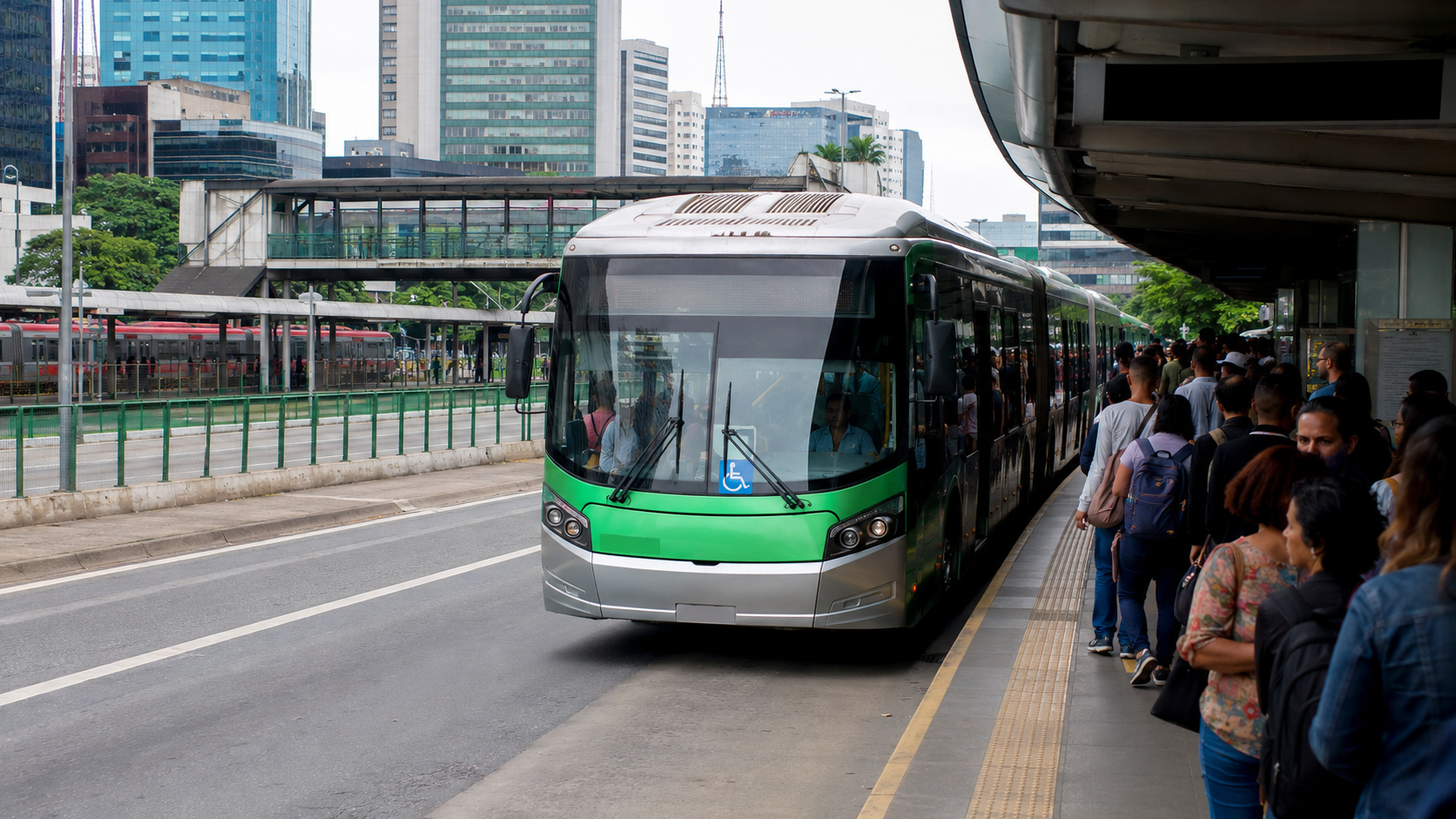
The scenario worsened with the pandemic, but recovery is still slow. Many people have started using motorcycles for short trips or continued working from home. This directly impacts the urban efficiency, as it increases the number of vehicles on the streets, elevates pollution levels, and puts pressure on road infrastructure.
Fleet Renewal and Investment in Modern Vehicles
One of the main bets of bus companies in Brazil is the renewal of the fleet with more modern, comfortable, and sustainable models. The replacement of old vehicles with electric or natural gas buses reduces pollutant emissions and offers quieter and more pleasant rides.
According to industry data, an electric bus can cost up to R$ 2.4 million, three times more than a conventional diesel model. Despite the high investment, cities like São Paulo and Curitiba have already started this process. The goal is to align public transport with climate targets and the expectations of an increasingly demanding public.
In addition to electrification, there are investments in vehicles with air conditioning, universal accessibility, security cameras, and connectivity, factors that enhance passenger comfort and safety.
Fast Routes for Greater Urban Efficiency
The creation of exclusive corridors and dedicated lanes for buses has proven to be one of the most effective strategies to ensure greater urban efficiency. These measures allow vehicles to travel with less interference from traffic, significantly reducing travel times.
The Expresso Fortaleza project, for example, recently implemented in Ceará, already shows positive results: reduced average travel time and increased user satisfaction. In other cities, such as Belo Horizonte and Salvador, similar plans are being drawn up or are in the testing phase.
Well-planned corridors, combined with line integration and terminals, allow the system to operate more predictably, making the bus a competitive option against individual transport.
Contracts and Subsidies to Give Breath to Bus Companies in Brazil
The majority of bus companies in Brazil operate under contractual models that rely exclusively on fare collection to keep finances in order. This system, considered outdated by experts, has proven unsustainable in light of changing user behavior and the decline in passengers.
To address this, many cities are redesigning contracts with concessionaires. In São Paulo, for example, the public subsidy to the bus system reached R$ 6.7 billion in 2024. This amount covers part of the operational costs and allows companies to invest in modernization and service quality.
The new model proposes that companies be compensated not only for the number of passengers transported, but also for vehicle availability, adherence to schedules, and quality indices. This creates a more stable cycle, capable of sustaining fleet renewal and continuous improvements.
Technology and Innovation in Bus Operations
Digitalization has also arrived in public transport. Companies are investing in electronic fare systems, real-time geolocation, predictive maintenance, and data analysis to optimize operations.
These technologies allow for dynamic adjustments to routes and schedules based on demand, facilitate oversight, and increase transparency for public managers. For passengers, this translates to predictability, safety, and agility in daily life.
With integrated monitoring systems, it is possible to reduce delays, prevent mechanical failures, and provide a more reliable experience for users — which is essential for recovering passengers who have migrated to other forms of transport.
The Role of Public Policies and Federal Investments
The support of the federal government has been fundamental to enable the modernization of public transport. The new Growth Acceleration Program (PAC), relaunched in 2023, allocates about R$ 8.4 billion for urban mobility projects.
These resources can be used for infrastructure works, purchasing electric vehicles, constructing terminals, and tariff integration. Additionally, the National Bank for Economic and Social Development (BNDES) is preparing specific financing lines to support the renewal of the bus fleet in medium and large municipalities.
Coordination between the federal government, states, and municipalities will be crucial to ensure that projects advance swiftly, avoiding bureaucratic obstacles and waste of resources.
A New Path for Public Transport in Brazilian Cities
The public transport sector is facing a window of opportunity. The combination of fleet renewal, faster routes, modern contracts, and technology can represent a turning point in the urban mobility model.
For this, it is essential that actions occur in a coordinated manner and with continuous support from public entities. Passengers will only return to buses if they find quality, punctuality, and safety — and this requires planning, investment, and political commitment.
By prioritizing urban efficiency, the country not only improves life in cities, but also moves towards more inclusive, sustainable, and democratic mobility.