Portuguese
  Spanish


Nighttime smartphone use interferes with the biological clock, affects deep rest, and reveals how the screen can amplify anxiety and mental fatigue
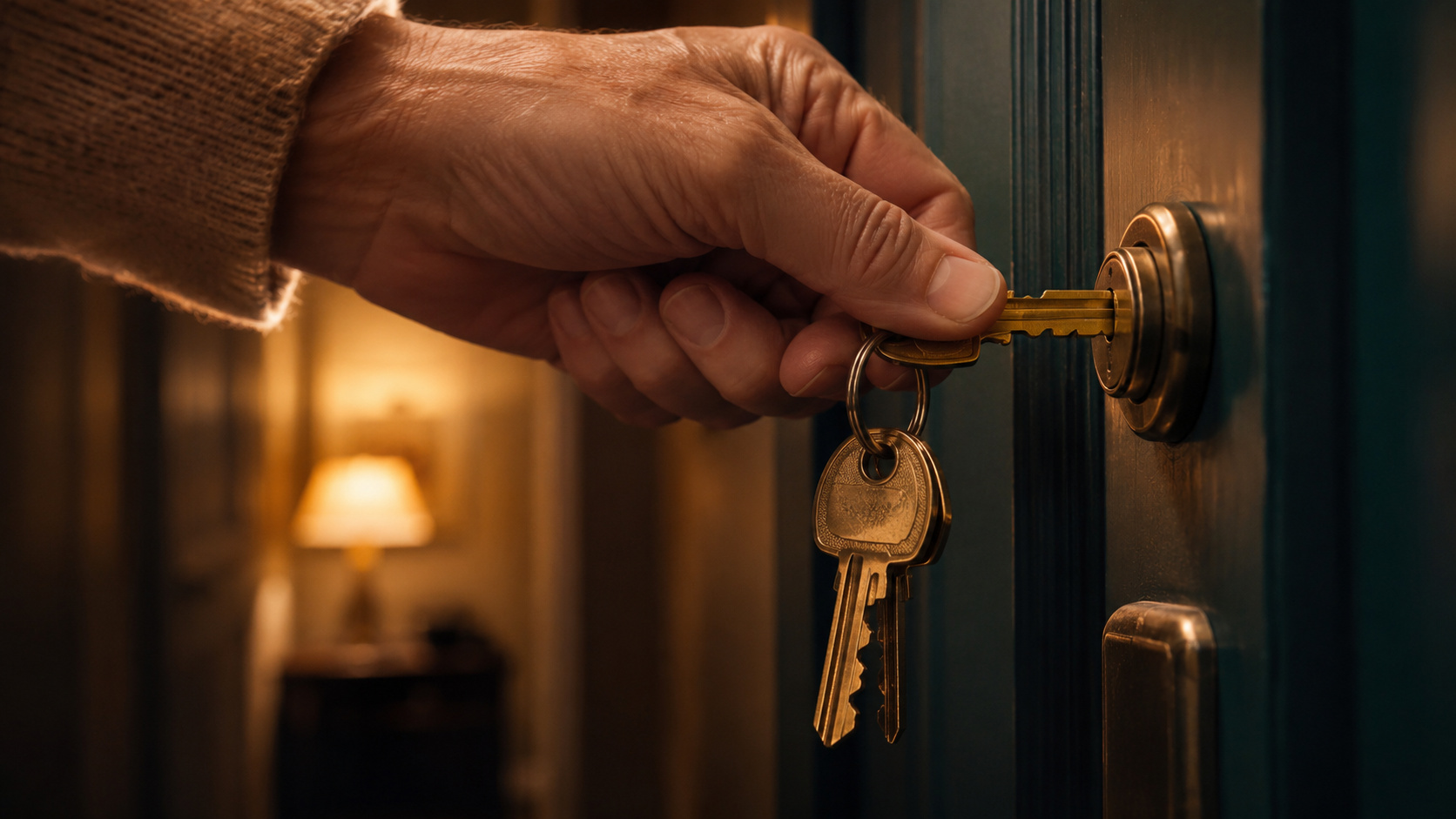
A common habit before sleeping has caught the attention of science, raising concerns about its effects on the brain. Using the phone with the lights off seems like just a modern distraction, but it can directly interfere with the production of melatonin, the circadian rhythm, and sleep quality. This behavior shows that the smartphone affects important biological processes precisely when the body should be slowing down.
Science reveals how blue light tricks the brain
The explanation comes from studies cited by Harvard Medical School and, therefore, changes how nighttime phone use is understood. After all, the problem is not just the content seen on the screen, but also the so-called blue light. This light frequency is associated by the brain with daytime and thus sends a signal similar to a false dawn. Moreover, by keeping the phone on before sleeping, the pineal gland reduces the production of melatonin, a hormone that helps the body start resting. According to Harvard, blue light delays the circadian rhythm longer than other forms of light. However, this process keeps the brain alert, even when the body already shows signs of fatigue.
Nighttime phone use raises concerns about anxiety and depression
In 2023, a study published in the journal Sleep, by Oxford Academic, analyzed nearly 5,800 adults in Denmark. The research identified a relationship between nighttime smartphone use and severe mental health indicators. The risk described by science involves a kind of neurochemical exhaustion, caused by excessive stimuli before sleep. By receiving constant information in the pre-sleep period, the brain fails to slow down as it should. Another analysis published in Psychiatry Research reviewed 14 different studies and confirmed a link between problematic phone use, increased anxiety, and depressive symptoms. Thus, fatigue fuels anxiety, while anxiety hinders sleep and keeps the person glued to the screen.
-
World Cup Ball Chip Uses Technology to Detect Invisible Touches, Confirms Offside, Secures Portugal’s Victory Over Croatia

-
36-Meter Hydrogen-Powered Superyacht Arrives in Brazil to Debut German Engines and Showcase Future of Clean Navigation

-
Indian Students from Jaipur Win Top Prize at World’s Largest Science Fair with EcoFog, an Affordable Mesh to Harvest Fog Water Without Energy

-
Italy Sinks Massive 11-Story Concrete Structures in the Ligurian Sea to Create a 6.2 km Barrier, Clearing the Way for 400-Meter Ships in Genoa




Emotional stimulation prevents the brain from shutting down
Many people believe that the problem lies only in the screen’s brightness, but Canadian scientists cited by Sleep Health point to another relevant factor. They describe the so-called cognitive and emotional stimulation, caused by using the phone before sleeping. When a person scrolls through the feed, the brain doesn’t truly relax. On the contrary, it reacts to stressful news, social comparisons, and fast content, entering a state of hypervigilance. This behavior explains why many people remain awake even when feeling sleepy. Furthermore, digital algorithms keep attention engaged for longer, especially during the period when the user is more vulnerable to interrupted rest.
Digital control can reduce the impacts of the habit
Currently, science suggests simple measures to reduce the effects of using the phone before sleeping. The first step is to create a digital curfew, turning off screens two to three hours before bedtime. Red or warm lights can be used in the bedroom, as they affect melatonin less than the blue light from screens. Another important guideline involves exposure to sunlight in the morning, helping the body calibrate its biological clock. Thus, rest begins long before closing your eyes. This change shows that respecting the mind’s silence can protect mental health, improve sleep, and reduce the strain caused by screens.
How many more nights will be sacrificed for a few extra minutes in front of the phone before sleeping?