Portuguese
  Spanish




Discover The Salary And How To Compete For A Job As A Pilot And Its Importance In Maritime Transportation
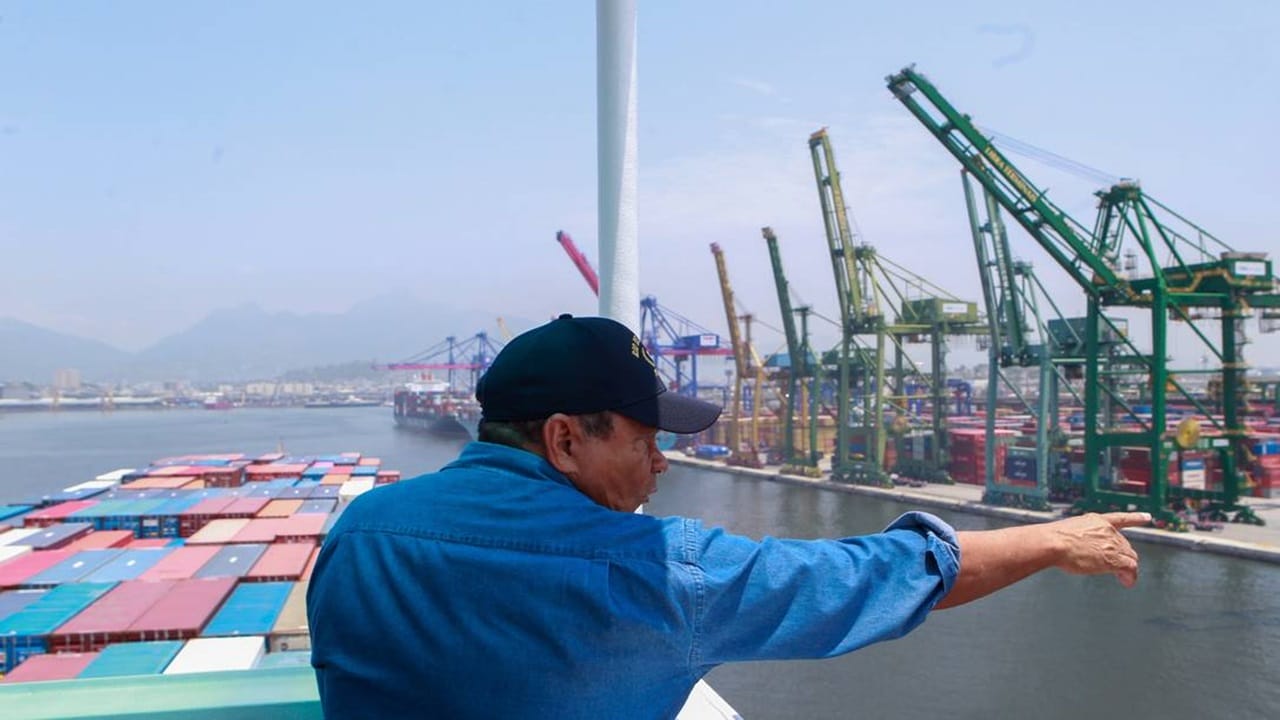
[According to Fazcomex] Have you ever wondered how much a ship pilot earns? These professionals play a crucial role in maritime transportation, ensuring the safety of vessels in ports around the world. But how much do they actually earn for this vital work? Let’s find out.
Pilot Remuneration: What To Expect?
Pilots, partners in pilotage companies, receive their remuneration based on the profit obtained by the company after deducting costs and taxes. The amount varies according to the number of ships serviced and is a personal information that is not disclosed by companies. While the largest ports tend to be profitable, there are smaller ports with less traffic where companies may face financial difficulties. Pilots’ remuneration is based on their specialization, the risk involved in their work, operational costs, and their environmental responsibility, given the possibility of accidents with polluting cargo transported by the ships.
Ship pilots play an essential role in foreign trade, ensuring the efficiency and safety of port operations. Their skills in navigation and port maneuvers help optimize logistical processes and minimize the risks of accidents or delays in cargo handling.
-
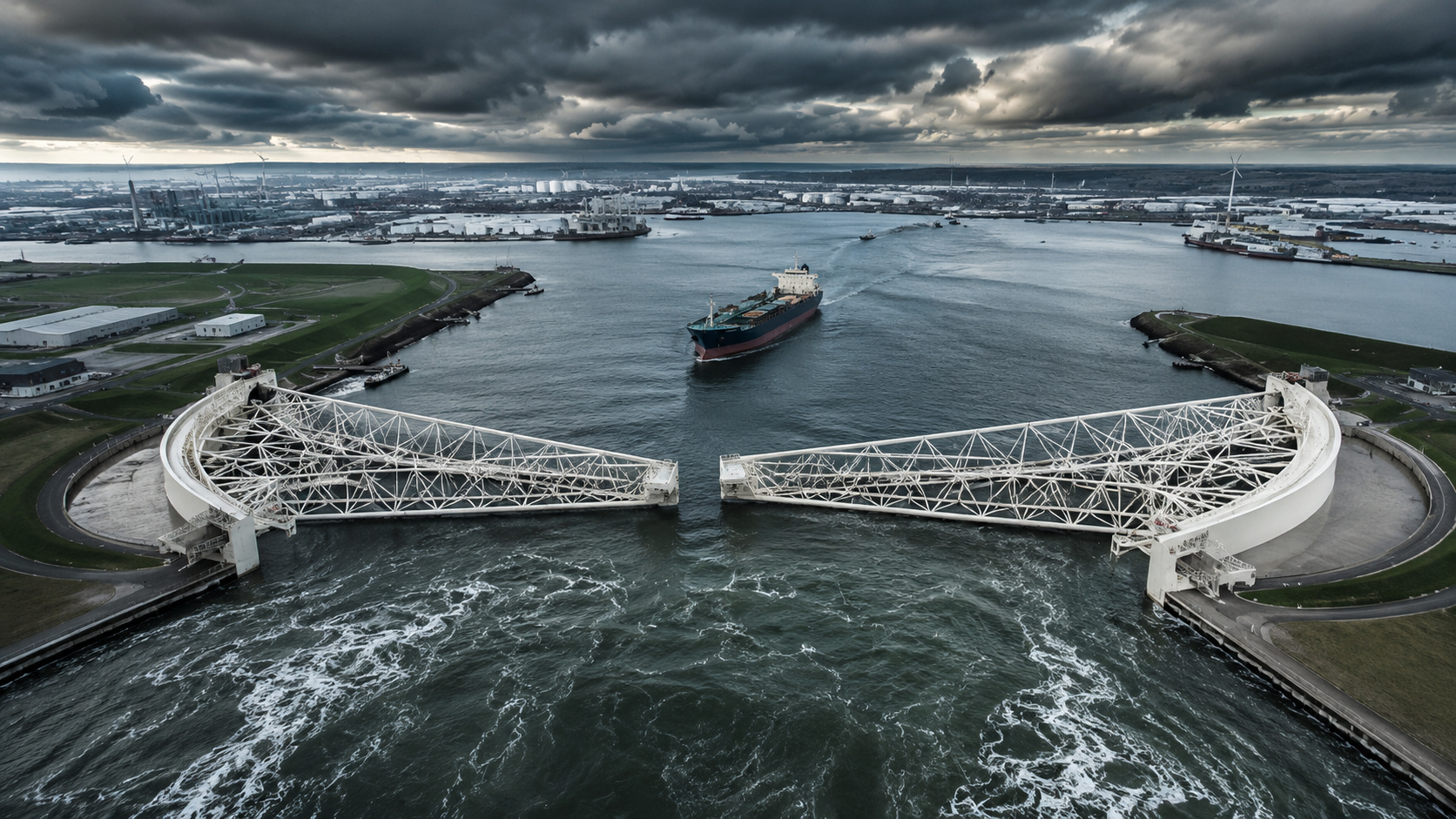
Coastal City Converts Part of Bay to Freshwater with 350-Meter Dam and Nine Gates to Prevent Flooding

-
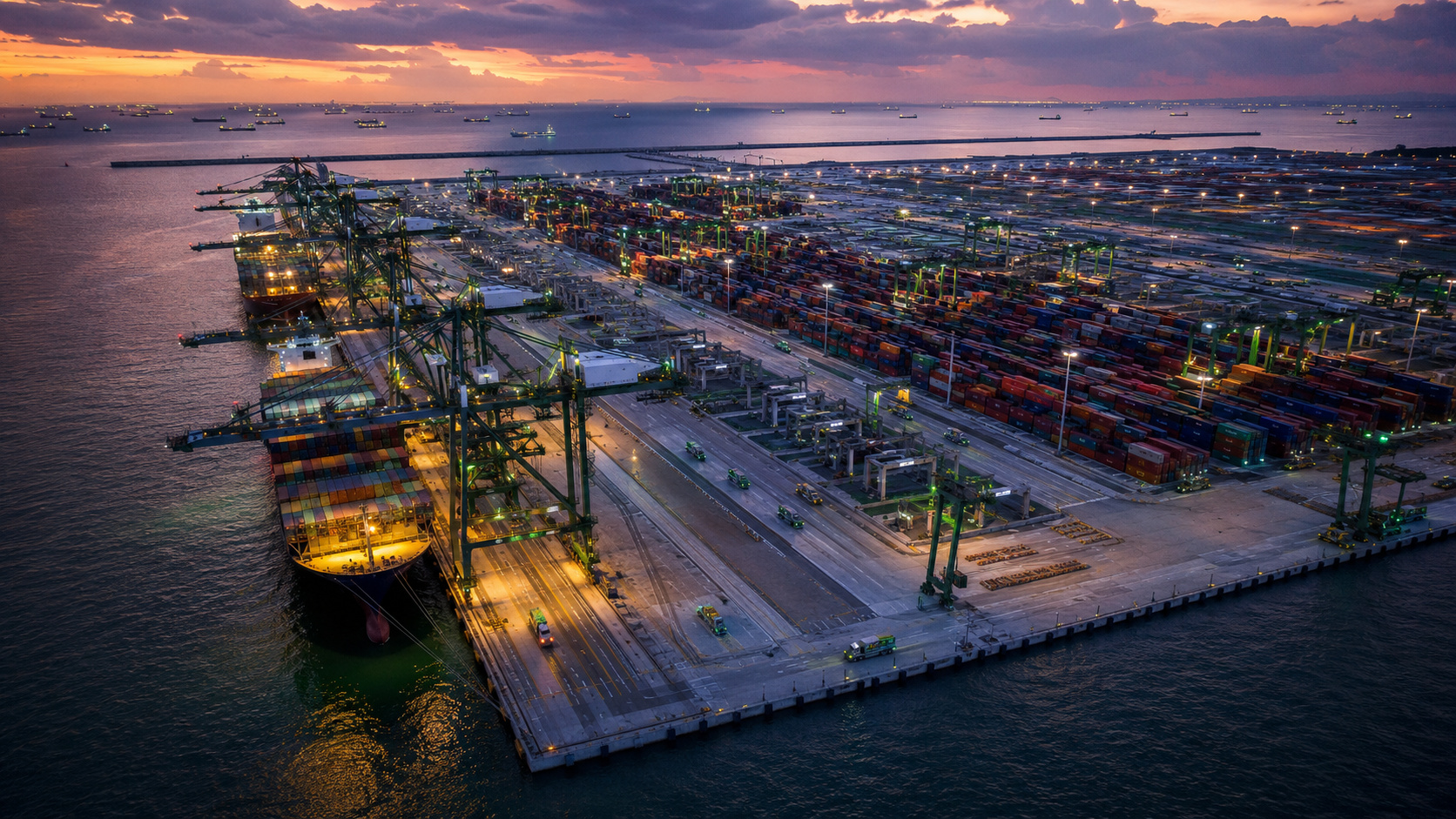
Singapore Expands into the Sea to Build 1,337-Hectare Port with 66 Berths, Electric Cranes, and Driverless Vehicles by 2040s
-
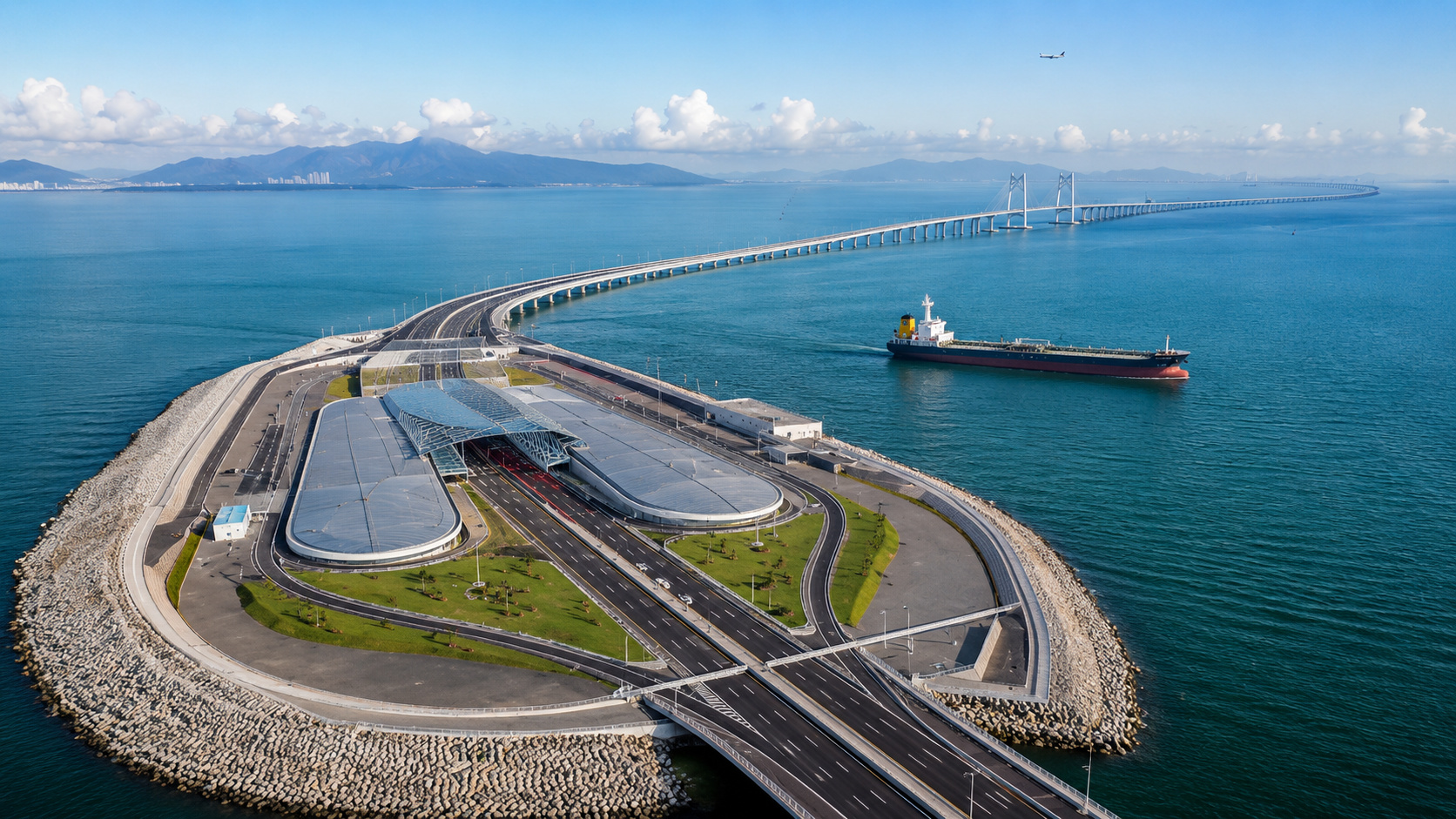
55 km Link Between Hong Kong, Zhuhai, and Macau Includes 33-Block Undersea Tunnel to Avoid Disrupting Ships and Planes
-
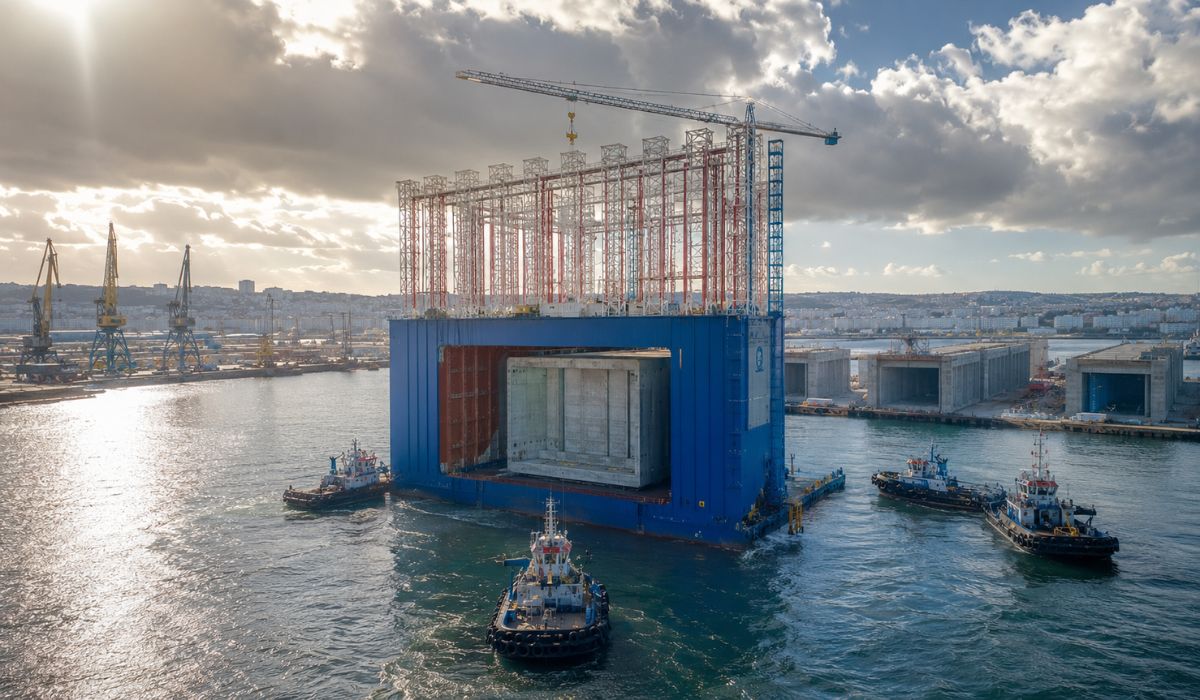
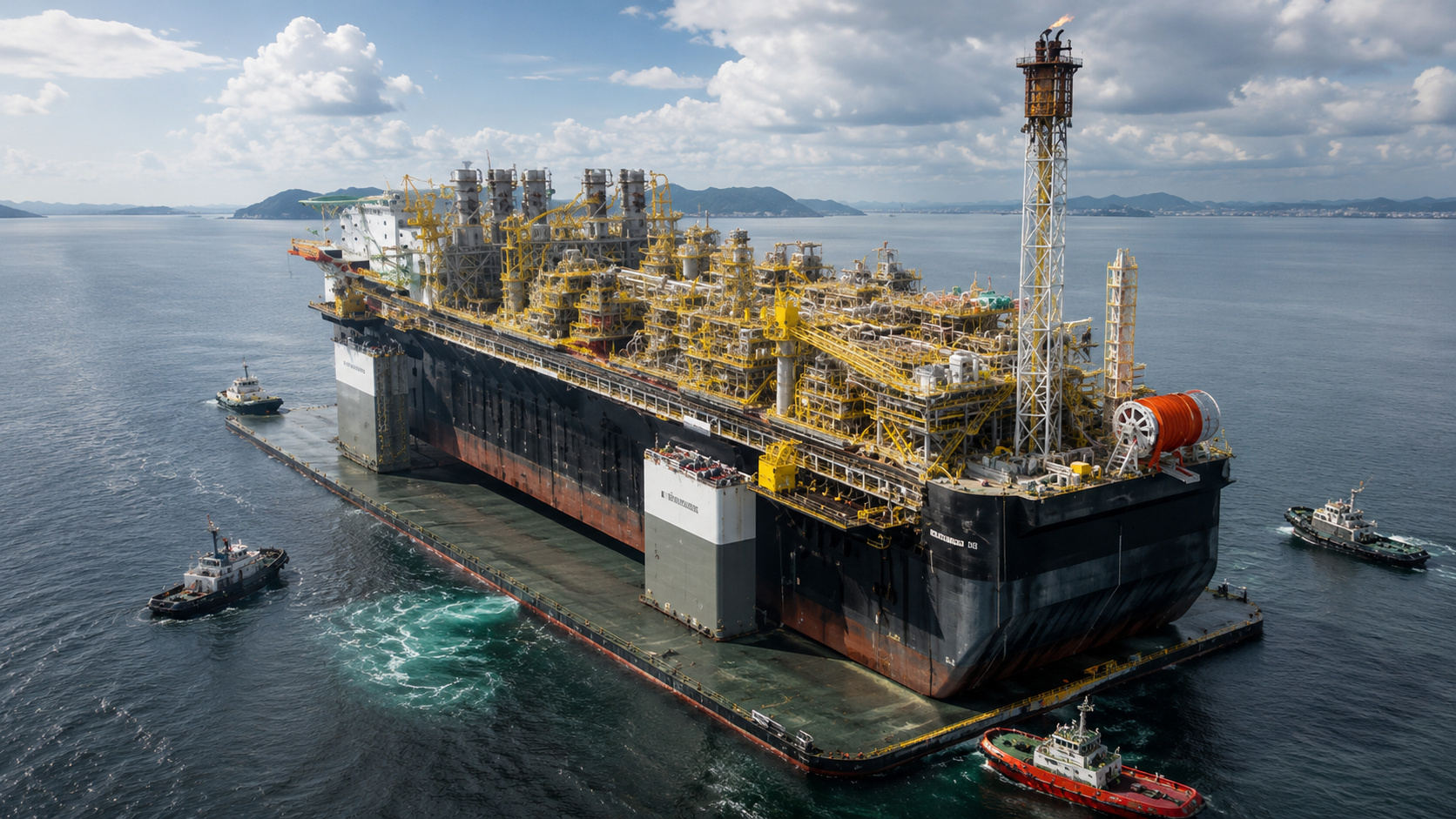
Giant Ship Appears to Sink as It Takes on Water to Load 91,000-Ton Platform from China to Rio de Janeiro

How To Become A Ship Pilot: The Path To A Lucrative Career At Sea
To become a pilot, one must undergo a rigorous selection process by the Navy for pilot trainees, requiring a higher education degree in any field and a master amateur license. The process evaluates knowledge in areas such as ship maneuverability, naval art, navigation in restricted waters, legislation and regulations, meteorology and oceanography, and communications, among others.
If approved, the candidate participates in an intensive qualification program, performing hundreds of maneuvers supervised for at least 12 months. After this period, they can take the licensing exam to become a pilot on board a vessel.
To maintain their certification, the pilot must perform a minimum of pilotage services per period, ensuring regular experience with different ships and maneuvers. Additionally, every five years, they must complete the Pilot Update Course (ATPR).
Ship Pilots And Captains: What Is The Difference?
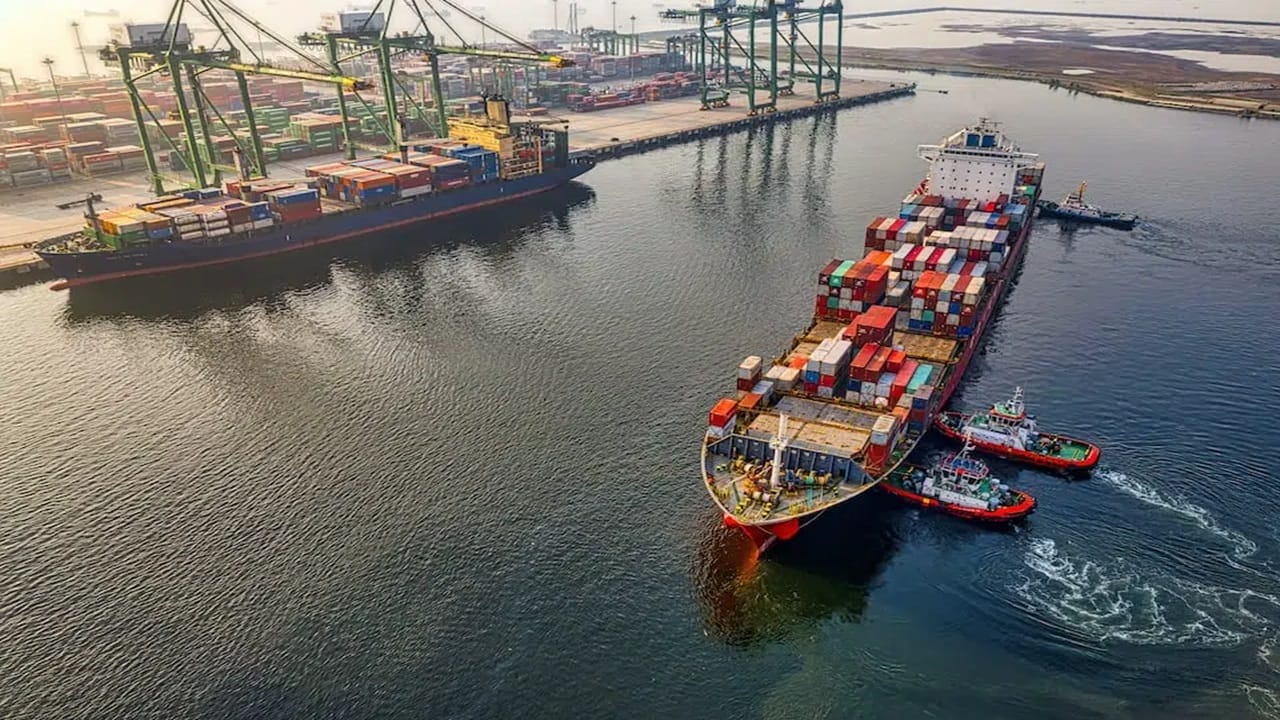
Unlike the captain, who is trained for navigation at sea, the pilot receives training to navigate and maneuver in more confined waters, where vessels behave differently. In the wheelhouse, they give rudder orders to the helmsman, machine orders to the captain, and push and pull commands to tug masters, in addition to monitoring surrounding traffic and coordinating the mooring service.
It is important to note that the client of pilotage is not the service contractor, the shipowner, but rather the Brazilian state, as the pilot acts to protect society from accidents that can cause severe environmental pollution, deaths, damage to public and private property, and the closure of a port to the economy.
Ship pilots are highly qualified professionals and essential for the safe and efficient operation of maritime transport, especially in the context of foreign trade. Their salary reflects the complexity and responsibility of the job functions. If you are considering a career at sea, becoming a ship pilot may be a lucrative and rewarding choice.