Portuguese
  Spanish


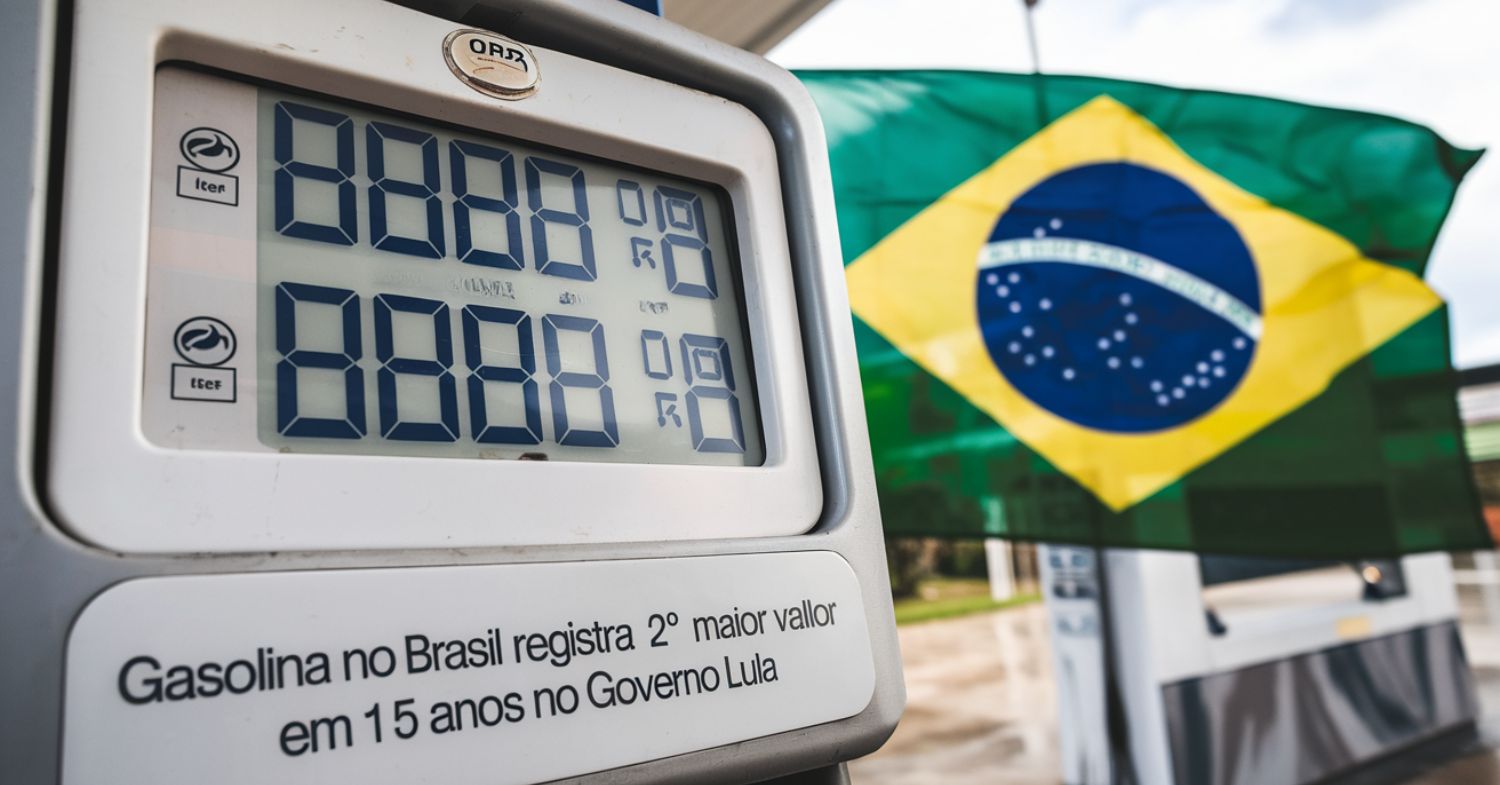


Understand The Economic And Geopolitical Factors Behind The Rise In Fuel Prices And Discover The Prospects For 2025, According To Experts And ANP Data.
Increase In Gasoline? The End Of 2024 Brought Unsettling News For Brazilian Drivers: The Price Of Gasoline Reached An Average Of R$ 6.15 Per Liter, The Second Highest Value Recorded In The Last 15 Years. According To The National Agency Of Petroleum, Natural Gas And Biofuels (ANP), The Record Is Only Surpassed By 2021, During The Pandemic. The Increase In Fuel Prices During Lula’s Government Reflects A Combination Of Economic And Geopolitical Factors That Directly Influenced The Pocket Of Brazilians. Want To Know What Is Behind This Increase And What To Expect For 2025? Follow Along!
What Explains The Increase In Gasoline?
The Increase In Gasoline In 2024 Was Primarily Driven By The Rise Of The Dollar, Which Reached The Historic Mark Of R$ 6.27 In December. Since Brazil Partially Depends On The Import Of Gasoline And Diesel, The Appreciation Of The American Currency Directly Impacted The Costs For Distributors And Importers.
Even With A National Refining Park Operated By Petrobras, The Country Still Needs To Import Fuels To Meet Demand. This Means That Fluctuations In Exchange Rates And The International Price Of A Barrel Of Oil Affect The Prices Paid By Consumers At The Pumps.
-
Drivers are falling for these scams without realizing: operation reveals closed gas stations, adulterated fuel, and hidden losses when refueling.

-
New Fiat EV, priced at R$ 77,000, will bring a reinterpretation of the 147 and a consumption equivalent to 70 km/l.

-
Petrobras surprises the market by cutting diesel by R$ 0.35 per liter, and the decision may ease the tax impact for drivers and transport companies.
-
Gasoline at R$ 4.99 makes drivers wait more than an hour at Havan gas stations in Santa Catarina, during a “zero tax” promotion with a limit of 15 liters per car and 25,000 liters available across five units of the network.





Comparison Of Gasoline With Other Fuels
While Gasoline Experienced An Increase Of 5.85% In 2024, Other Fuels Followed Different Trajectories. Check Out The Numbers:
| Fuel | Price In 2023 | Price In 2024 | Variation (%) |
|---|---|---|---|
| Gasoline | R$ 5.81 | R$ 6.15 | +5.85% |
| Ethyl Alcohol | R$ 2.97 | R$ 3.41 | +14.76% |
| Diesel | R$ 6.15 | R$ 6.06 | -1.62% |
Ethyl Alcohol Registered The Highest Percentage Increase, Rising 14.76% And Ending The Year With An Average Price Of R$ 3.41 Per Liter. Diesel, Surprisingly, Had A Slight Decrease Of 1.62%, Closing 2024 At R$ 6.06 Per Liter.
Expectations For 2025
Despite The Increase In Fuel Prices In 2024, There Are Signs That 2025 May Bring Some Relief For Drivers. The World Bank Predicts A Reduction In The Price Of A Barrel Of Oil, From An Average Of US$ 80 In 2024 To US$ 73. If This Decline Materializes, It Is Possible That Prices At The Pumps Will Also Be Adjusted.
However, The Scenario Remains Uncertain Due To Geopolitical Factors. International Conflicts And Tensions In The Middle East May Pressure Oil Prices Upward, Neutralizing The Benefits Of A Possible Decrease In The Value Of The Barrel.
Impact On The Pockets Of Brazilians
The Increase In Gasoline Has A Cascading Effect, Impacting Not Only The Direct Cost For Drivers But Also The Prices Of Products And Services. Since A Large Part Of The Transportation Of Goods In Brazil Depends On Trucks And Vehicles Fueled By Fossil Fuels, Adjustments End Up Reflected In Inflation.
High Fuel Prices Force Many People To Seek Alternatives, Such As Public Transportation Or Even The Use Of Bicycles And Electric Vehicles. This Change In Behavior, While Positive From An Environmental Perspective, Also Reveals The Weight That High Costs Impose On Family Budgets.
The Role Of The Lula Government In The Fuel Issue
The Lula Government Has Faced Pressure To Adopt Measures That Mitigate Increases In Fuel Prices. Among The Alternatives Under Discussion Are Policies To Stabilize The Exchange Rate, Incentives For The Domestic Production Of Biofuels, And Even Subsidies To Reduce The Impact Of Adjustments.
Petrobras Also Plays A Crucial Role In This Scenario. The Company Has The Mission Of Balancing The Economic Interests Of The Country With Its Responsibility As The Main Fuel Supplier. Any Decision About Adjusting Internal Prices Depends On External And Internal Factors, Such As The Price Of A Barrel Of Oil And The Exchange Rate.