






 Portuguese
  Spanish


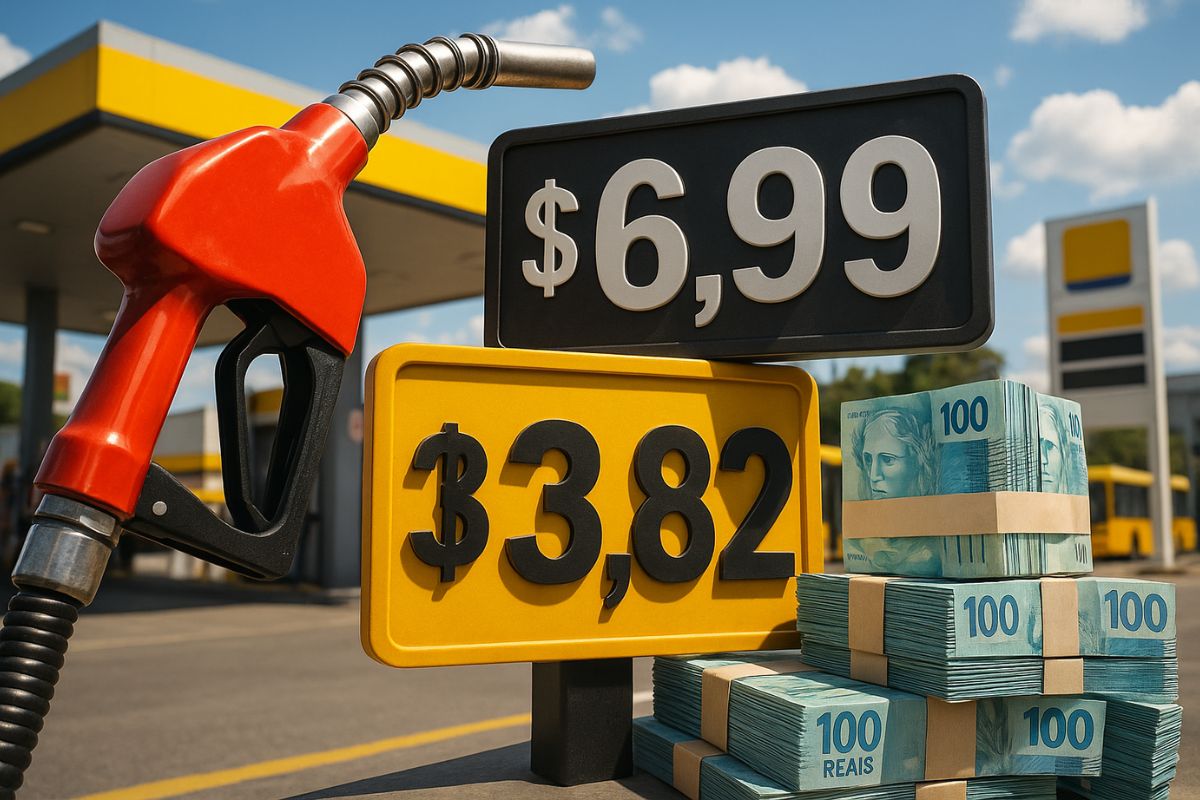


Minaspetro Suggests Structural Changes That Could Directly Impact Pump Prices and Make Gasoline Cheaper.
Amid frequent criticisms about fuel prices, the Retail Trade Union of Oil Derivatives of Minas Gerais (Minaspetro) presented a set of five proposals to make gasoline cheaper. The entity represents nearly 5,000 gas stations in the state and argues that retail, the most competitive link in the chain, should not be the only one blamed for the prices paid at the pump.
According to the union, the fuel debate in Brazil is rarely technical. The analysis often ignores the impacts of distributors, refiners, taxes, and transportation. The result is a distorted view that penalizes only the station owner, when in fact they are also harmed by high prices, facing increasingly tight margins and mandatory cost transfers imposed by other segments of the chain.
1. Self-Service as a Form of Savings
The first proposal from Minaspetro is the liberation of self-service, a common practice in countries like the USA, Mexico, and Chile. Currently, Brazilian legislation prohibits self-fueling, which raises operational costs by requiring exclusive labor for this function. According to the union, changing this rule could reduce operational costs and make fuel cheaper at the pump.
-
Brazilian City Makes Remarkable Leap, Becomes 4th Wealthiest in the Country with GDP of R$ 134.1 Billion

-
Controversial 6-day Workweek Elimination in Brazil Faces Economic Criticism Over Productivity Claims

-
Itaú to Refund Customers After 14 Years of Unauthorized Credit Card Charges; Agreement Includes No Interest or Adjustments, Deadline by 2028, with Potential Impact of Up to $6.5 Billion

-
Brazilian Company Grows from Bartering Soap for Food to Producing 30 Million Units Monthly, Challenges Global Giants with $100 Million Revenue and Expands into Premium Cosmetics



2. Fairer Contracts with Distributors
The second point addresses contracts between gas stations and distributors, which currently bind retailers to fixed and non-negotiable commercial conditions. The union proposes clauses for fair pricing and options for contract termination, allowing for greater competition and freedom of choice. Currently, three major distributors control about 70% of the market, which limits competitiveness.
3. Volumetric Correction for Temperature
Another technical aspect raised is the temperature difference in fuel transportation. According to ANP regulations, the product must be sold at 20ºC. However, it arrives at the stations at higher temperatures, such as 30ºC, and cools in underground tanks, resulting in a volumetric loss for retailers of up to 250 liters per load, according to tests from UFMG. Correcting this distortion would prevent losses and allow for smaller cost transfers to consumers.
4. Combating Cargo Theft
Transport security also affects the final price. Gas stations have to bear high insurance costs or absorb losses in case of theft, which increases operation costs. The proposal here is to intensify the fight against the illegal market, which directly impacts distribution costs, especially in states with high cargo theft rates.
5. Reduction of the Tax Burden and Combatting Tax Evasion
Finally, the union points out the high tax burden and tax evasion as major villains. The current system ultimately penalizes entrepreneurs who pay taxes correctly, while competing tax evaders manage to charge artificially low prices. In a symbolic action on Tax Freedom Day, gas stations in Minas Gerais sold gasoline for R$ 3.82 without taxes, revealing the real weight of the tax burden on consumers.
The Need for a Technical and Balanced Debate
Minaspetro argues that it’s time to treat fuel as an essential good and discuss the sector seriously, including all links in the production chain. The proposal of the five measures aims to break the simplistic narrative that solely blames the station owner and open space for structural solutions.
As long as the discussion continues to focus only on the “station’s sign,” the other players will remain invisible and gasoline will become increasingly expensive.
Do you think gasoline prices could be lower with these proposals? Have you felt the effects of high taxation and hidden costs in your wallet? Comment below—your experience is an essential part of this debate.




Não esqueça que o maior tributo do combustível é o ICMS, imposto ESTADUAL