Portuguese
  Spanish


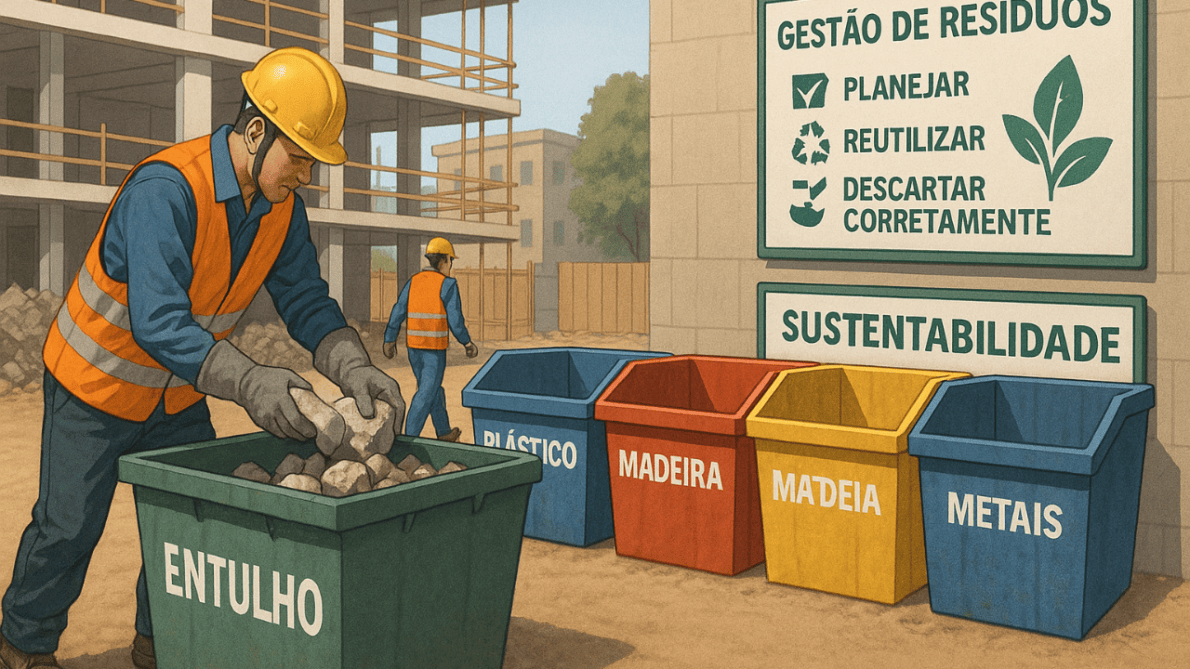

How to Apply Waste Management in Construction and Reduce Waste, Save on the Project, and Ensure Sustainability with the PGRCC!
The construction industry is one of the sectors that drives the economy the most, but it also ranks among those that generate the most waste in Brazil and worldwide.
Daily, tons of debris are improperly discarded, causing environmental impacts, increasing project costs, and compromising worker safety.
In this scenario, the importance of waste management in construction is growing.
-
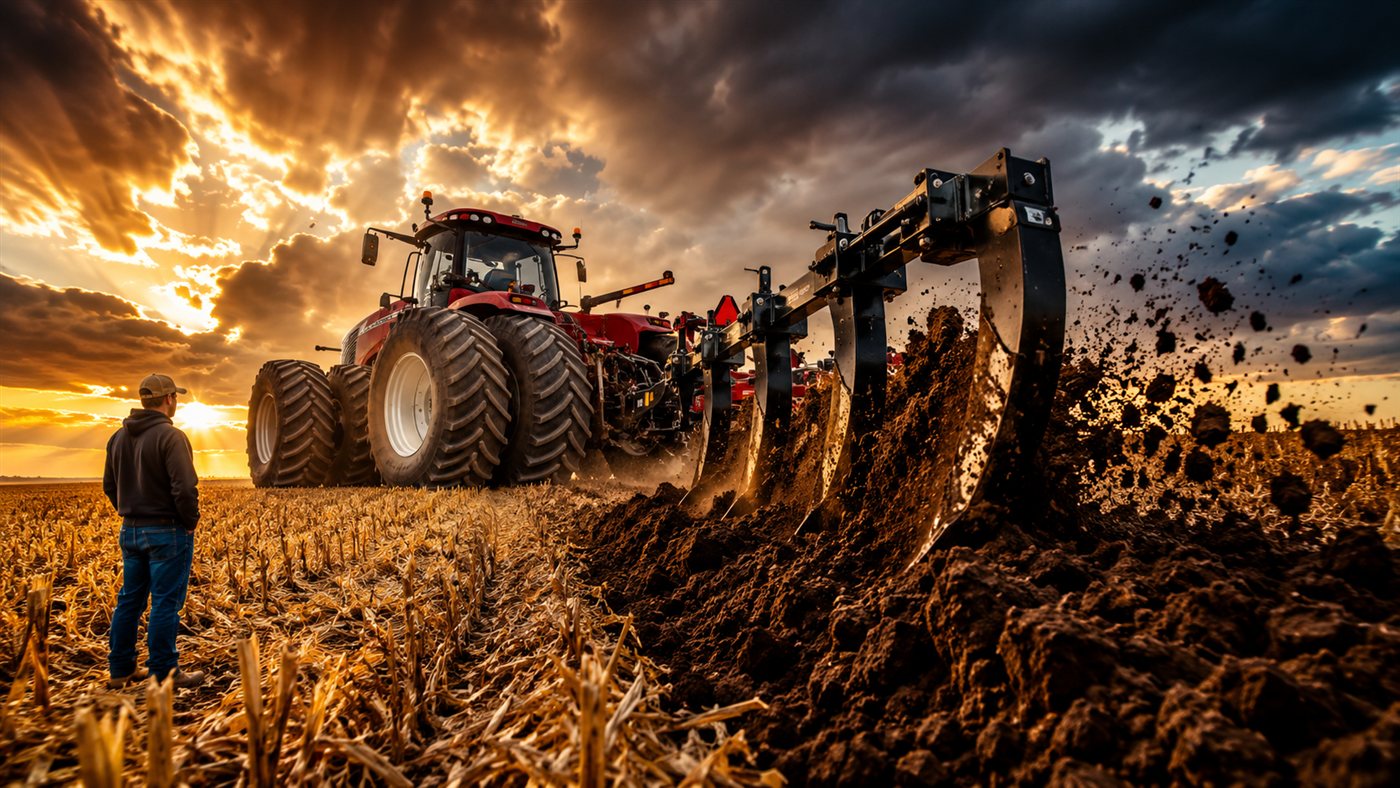
U.S. Farmer Tackles $4 Million Water Issue by Installing Hundreds of Miles of Drainage Pipes to Protect Farm Profits

-
Two-Person Team Builds Entire House from Scratch in Just 3 Days Using Low-Cost Materials, Documenting Every Step on Video
-
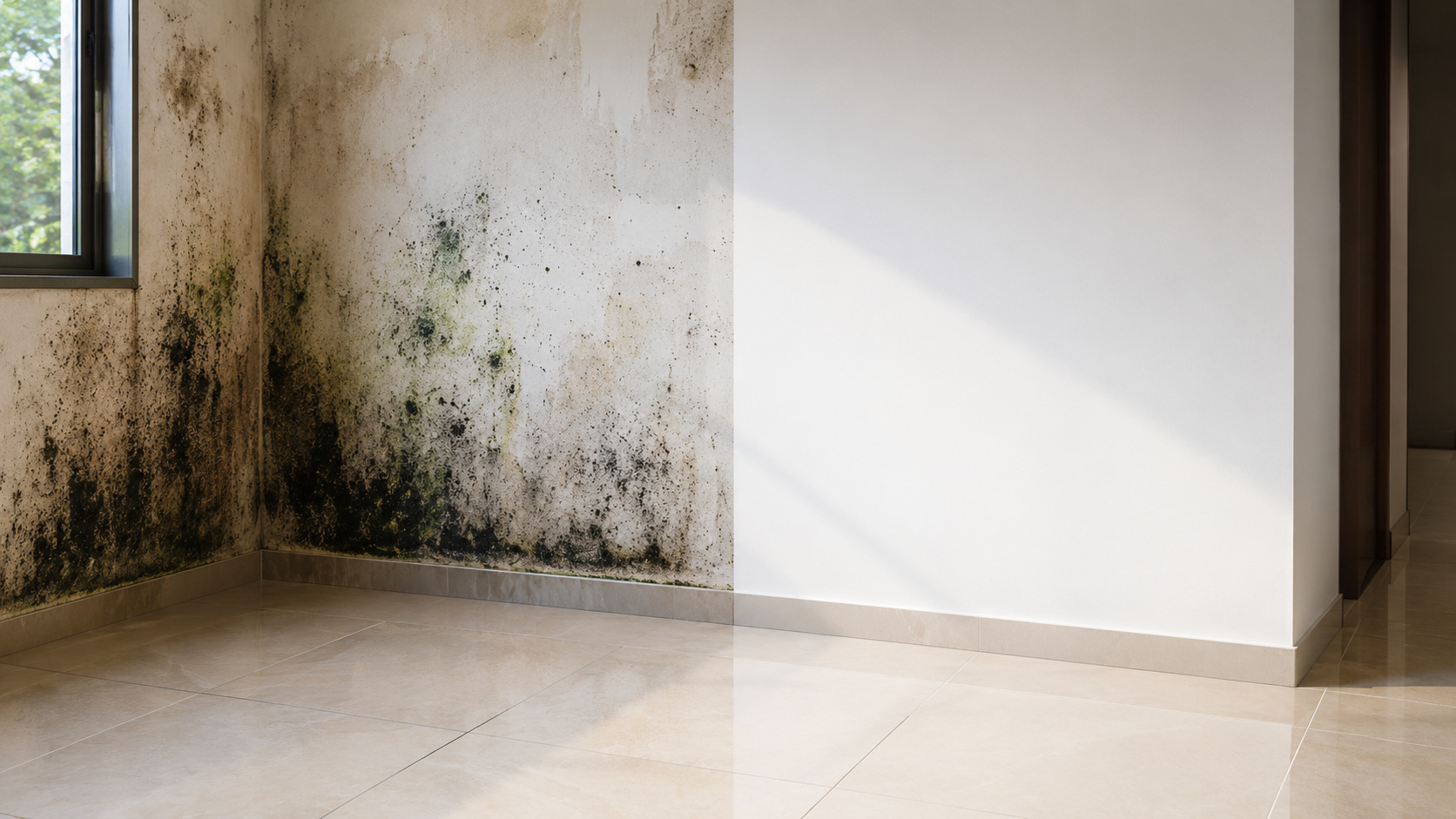
New Anti-Humidity Paint Reduces Mold and Fungus by Controlling Condensation, Enhancing Indoor Protection and Paint Durability Without Major Renovations

-
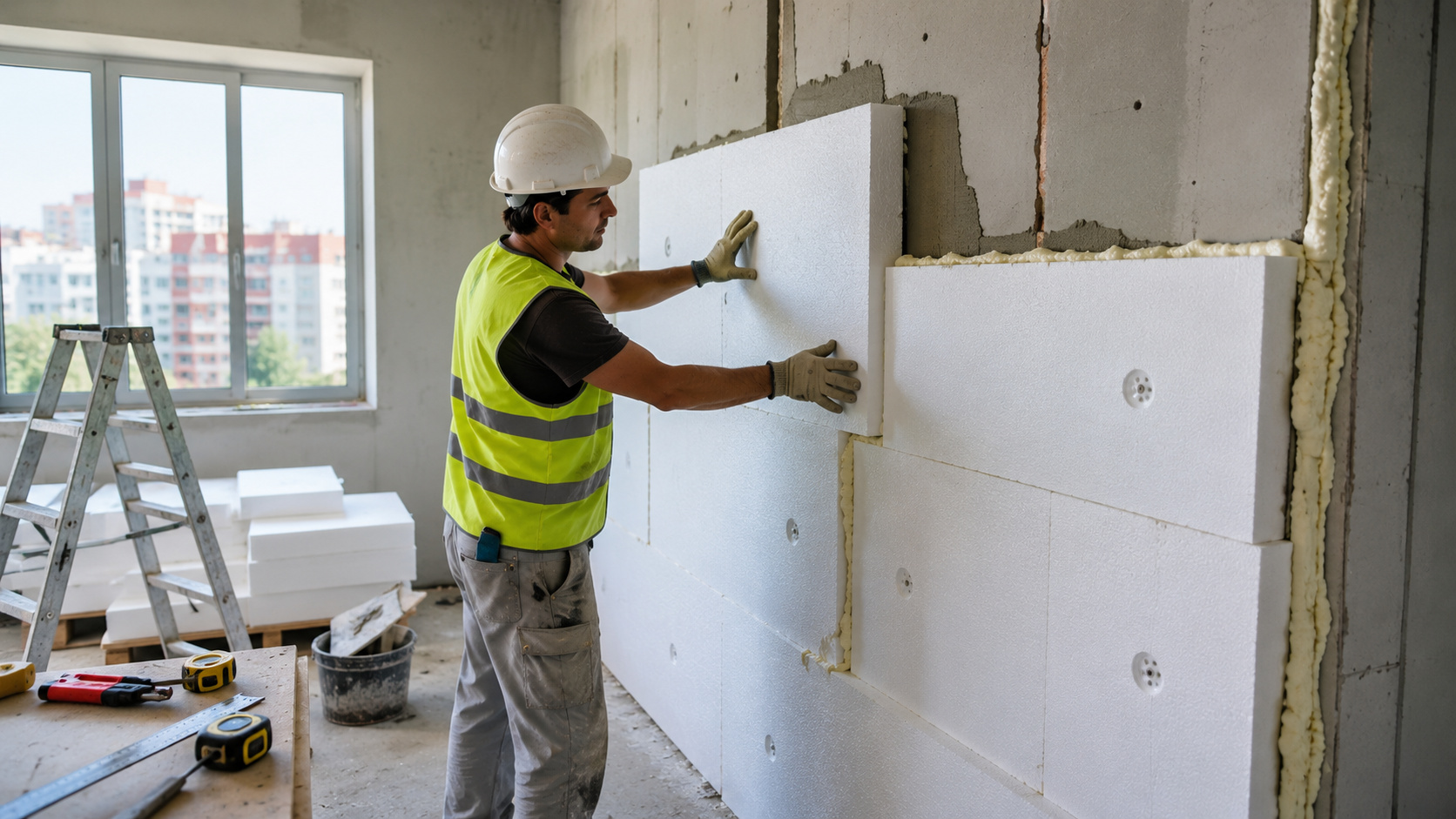
Polystyrene Panel Technique Goes Viral for Tackling Household Mold and Persistent Dampness

In addition to being a legal requirement set forth by the National Solid Waste Policy, implementing a good management plan makes the job site more organized, sustainable, and economically viable.
Why Is Waste Management So Important?
By adopting good management practices, it is possible to significantly reduce the amount of waste discarded and the waste of materials during the execution of the project.
More than just a legal obligation, properly handling waste is an attitude that improves productivity, avoids fines, reduces accidents, and reinforces the company’s commitment to the environment.
One of the pillars of this strategy is the Construction Waste Management Plan (PGRCC), a document required in many municipalities.
It determines everything from the correct separation of waste to the final disposal, including storage, transportation, and the possibility of reuse.
What Waste Is Generated on a Project?
To implement effective management, it is essential to know the main types of waste:
Class A: concrete, blocks, ceramics, and mortars — generally recyclable.
Class B: plastic, wood, cardboard, and metals — capable of being reused.
Class C: gypsum and other materials without economic recycling value.
Class D: hazardous waste such as paints, solvents, and oils — require specific treatment.
Correctly separating these materials on site prevents cross-contamination and ensures greater efficiency in disposal.
How to Apply Waste Management in Practice?
See the main steps for efficient waste management on your project:
Planning and Diagnosis: Assess waste generation before starting construction.
Separation at the Source: Use identified dumpsters and training for the team.
Safe Storage: Establish covered and marked areas.
Licensed Transportation: Hire authorized companies with defined routes.
Correct Disposal and Reuse: Whenever possible, reuse materials on the job site or send them to cooperatives.
Benefits of Efficient Management
Investing in waste management yields benefits on various fronts:
Reduction of operational costs;
Improvement of safety on site;
Agility in the project through a cleaner and more organized environment;
Reinforcement of the company’s sustainable image;
Compliance with environmental and urban regulations.
Sustainability as a Competitive Advantage
In the current context, where sustainability is one of the most valued pillars in the construction industry, effective waste management is not just recommended — it is strategic.
Companies that adopt sustainable practices stand out in bids, gain new clients, and demonstrate social responsibility.
By transforming what was once debris into opportunity, the construction industry is moving toward a cleaner, more efficient, and environmentally respectful future. And your project can — and should — be part of this change.