





 Portuguese
  English
  Spanish
  5 min of reading
  0 comments


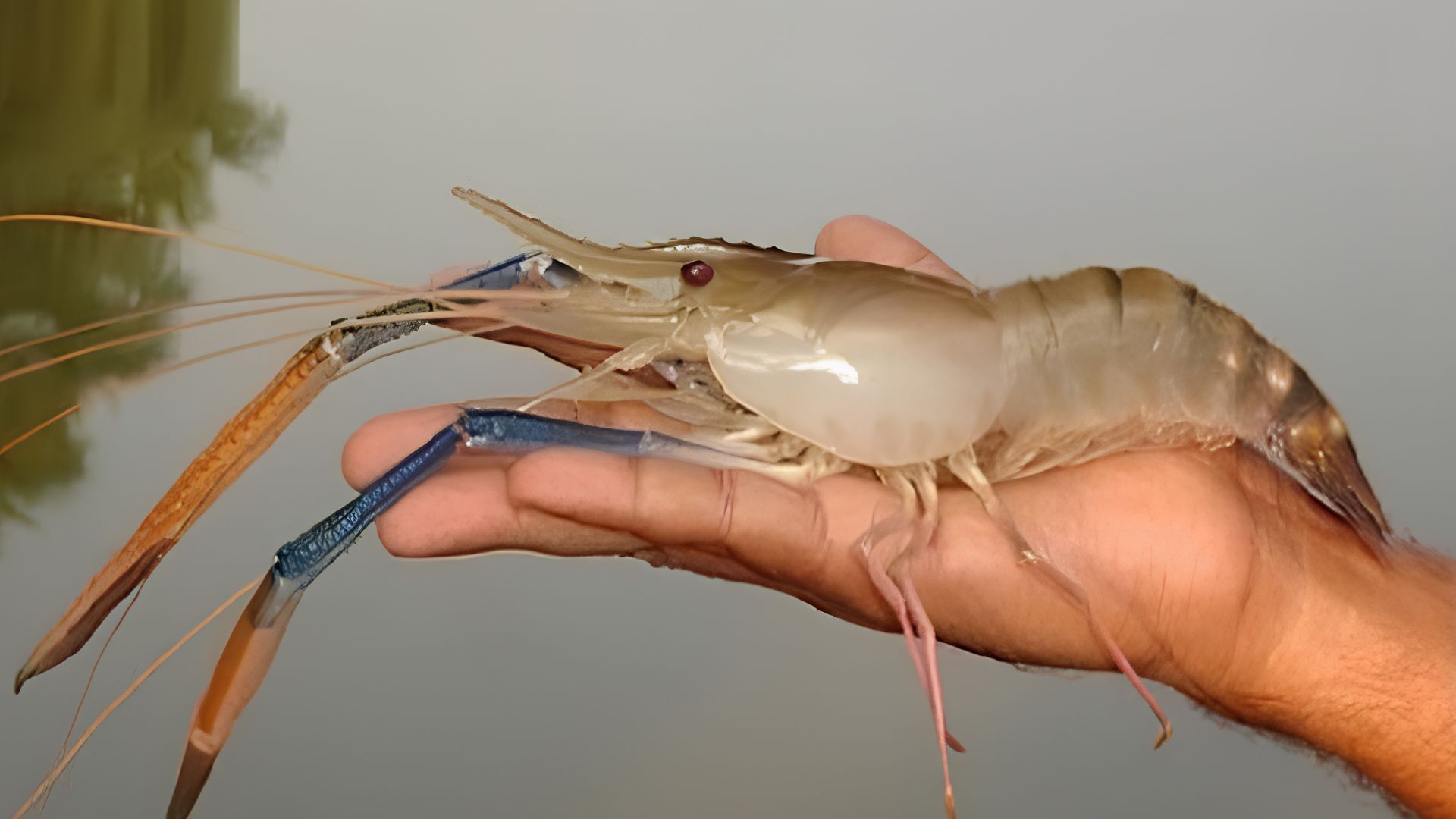
Giant Malaysian Prawn has already been recorded in 68 natural and protected areas of Brazil, with confirmed reproduction and increasing risk to coastal ecosystems.
According to a study published in the journal Estuaries and Coasts and led by Edison Barbieri from the São Paulo Fisheries Institute, the giant Malaysian prawn has already been recorded in dozens of natural and protected areas along the Brazilian coast, with clear signs of establishment outside breeding farms. The most serious point is that researchers identified ovigerous females, which confirms that the species is already reproducing in the wild.
The records show that the invader not only escaped from aquaculture but managed to advance over sensitive coastal ecosystems, including regions of high biodiversity. For the authors, this raises an environmental alert because Macrobrachium rosenbergii can compete with native species, alter the dynamics of estuaries, and increase ecological risks in protected areas of Brazil.
Introduced for commercial farming, the prawn escaped from farms and reached areas of high biodiversity
The giant Malaysian prawn was introduced in Brazil during the 1970s to meet aquaculture production needs. According to researchers led by oceanographer Edison Barbieri from the São Paulo Fisheries Institute, the expansion of the species is mainly associated with regions with a history of commercial prawn farming, reinforcing the hypothesis that farm escapes have been the main gateway to natural environments.
-
Chinese builds a giant 5.5-ton robotic hand that mimics human gestures in real-time, crushes an entire Volvo, and turns an internet invention into a brutal spectacle of heavy engineering.

-
When no one expected it, excavations in Pompeii revealed a large banquet hall with a monumental frieze on three walls and nearly life-sized figures connected to the procession of Dionysus.

-
It seemed like just an ordinary fish market, but archaeologists found 5 meters underground in Barcelona a 500-year-old ship, preserved with more than 30 curved wooden ribs.
-
Why does the mirror invert left and right, but never turn you upside down? The illusion hidden in the depth that tricks your brain every time you look at your own reflection.





One of the areas that most concern scientists is the Cananéia-Iguape-Ilha Comprida Estuarine-Lagoon Complex, on the southern coast of São Paulo. The region is recognized by UNESCO as part of the Atlantic Forest Biosphere Reserve and hosts some of the most preserved coastal ecosystems in the country.
According to the study, in this region alone, 90 individuals were captured over a decade of monitoring, evidencing that the species is established in the environment.
Females carrying eggs confirmed that the species is already reproducing on the Brazilian coast
The most concerning sign found by researchers was not just the presence of the animals. According to Edison Barbieri and his team, ovigerous females were identified, meaning prawns carrying fertilized eggs. This demonstrates that the reproductive cycle is occurring naturally outside the breeding farms.


According to the study’s authors, this finding indicates that the Malaysian giant prawn no longer depends on aquaculture to remain in the country.
“The species not only survives but is effectively established”, the researchers highlighted when analyzing the monitoring results.
Animal can reach 30 centimeters and directly compete with Brazilian species
The Malaysian giant prawn is one of the largest freshwater prawns commercially farmed in the world.
According to the researchers, individuals can reach approximately 30 centimeters in length, a characteristic that helps explain its competitive ability in natural environments.
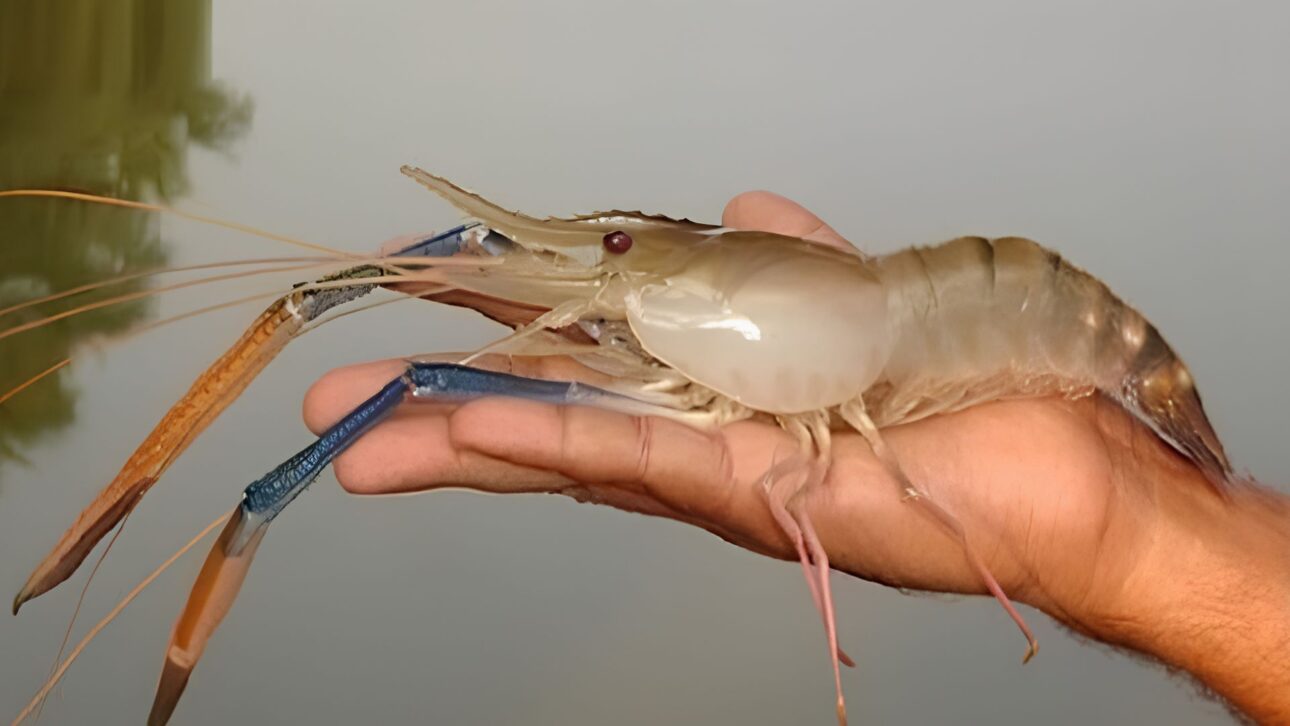
Besides its size, the species shows high tolerance to different temperatures and salinity levels. As explained by Uruguayan oceanographer Ernesto Brugnoli Olivera, co-author of the study, this ecological plasticity facilitates its survival in rivers, estuaries, mangroves, and coastal areas.
This adaptability increases the potential for competition with Brazilian species, including native prawns that use estuaries as feeding and breeding areas.
Scientists warn of risks to fishing, mangroves, and the food chain
The potential impacts go beyond the mere presence of a new prawn in the ecosystem. According to the research authors, the invader can compete for food, shelter, and space with native species.
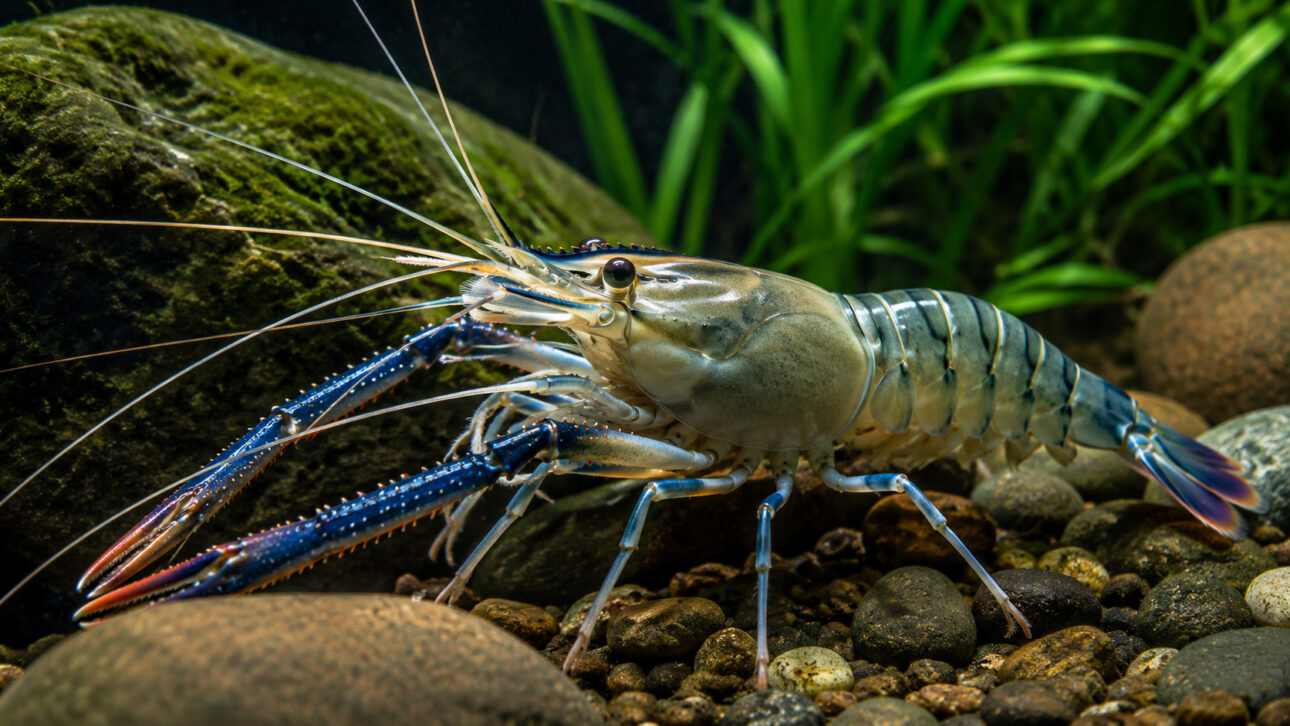
As an opportunistic predator, it can also alter important ecological relationships within mangroves and estuaries, considered natural nurseries for fish, crustaceans, and other forms of marine life. Another concern involves the health of ecosystems.
The researchers highlight that the Malaysian giant prawn can act as a pathogen vector, including agents associated with white spot syndrome, one of the most destructive diseases for global shrimp farming. The introduction or spread of these agents could affect shrimp, crabs, and lobsters.
Fishermen report decline of traditional species and changes in fishing activity
The observed effects in the field are already drawing the attention of communities that rely on artisanal fishing.
In an interview with Mongabay, Pará fisherman Nilson Monteiro do Nascimento stated that exotic species, including the Malaysian giant prawn, have started to appear more frequently while traditionally abundant shrimp have become harder to catch.
Although the study did not directly measure economic impacts, the researchers consider these reports important for understanding possible future changes in artisanal fishing.
According to the authors, monitoring conducted with the participation of fishermen helped to increase the amount of information available about the species’ expansion.
Climate change may further favor the expansion of the invader
The researchers also point out an additional concern. According to Edison Barbieri, the increase in water temperature associated with climate change may expand the suitable areas for the survival and reproduction of the Malaysian giant prawn. This could accelerate its spread to new Brazilian coastal environments.
In light of this scenario, scientists advocate for the creation of permanent monitoring programs, revision of aquaculture licenses, and stricter public policies to prevent new introductions and reduce the already observed environmental impacts.
A silent invader that can alter some of the country’s most valuable ecosystems
The discovery does not mean that the Malaysian giant prawn has already caused an ecological collapse. Researchers make it clear that many impacts still need to be studied.
But the data already confirm something important: the species has managed to surpass the confines of farms, colonize natural environments, and begin reproducing in some of Brazil’s most valuable coastal areas.
In regions that serve as nurseries for fish, shrimp, and numerous marine species, the arrival of a highly adaptable invader may represent a challenge that will take years to fully understand.








Be the first to react!